
Desserts
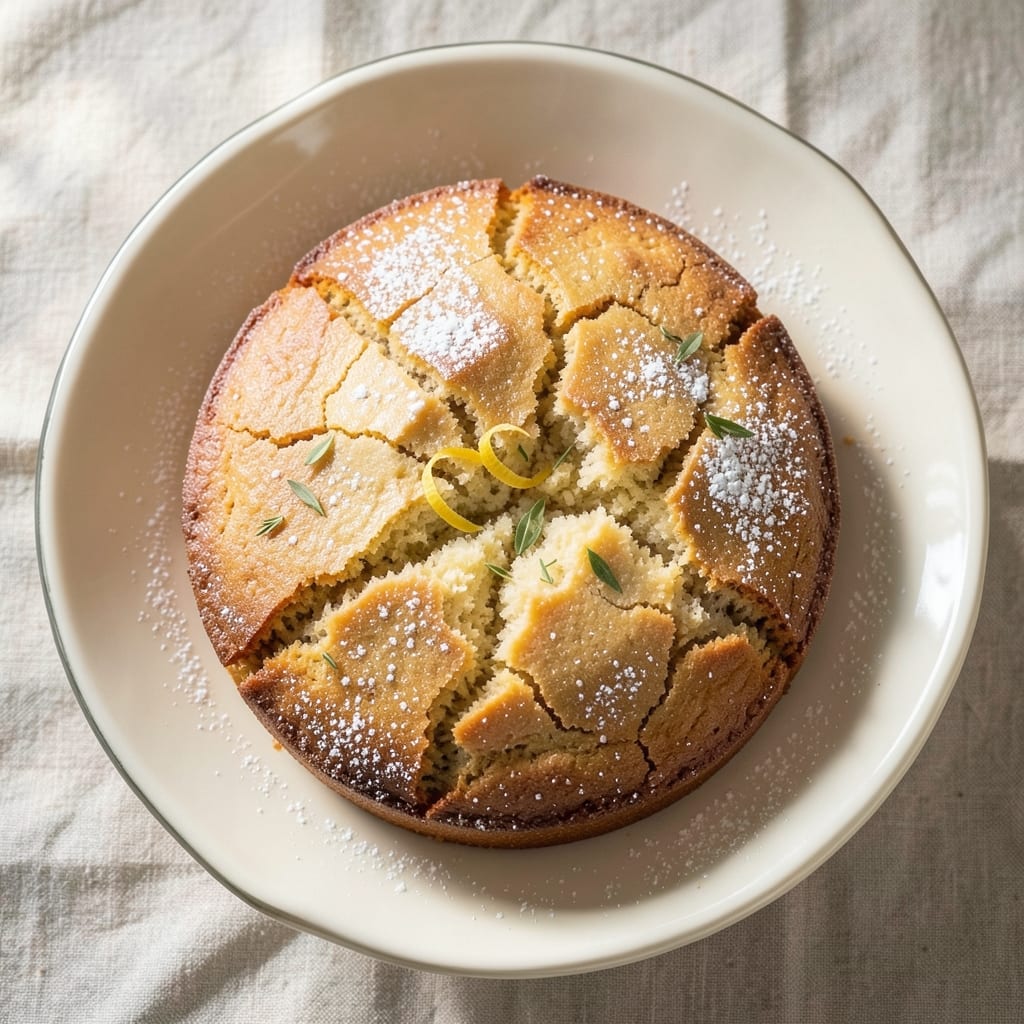
This basic two-egg cake recipe delivers a light-as-air texture without heavy butter or oil—perfect for beginners or when you're short on ingredients. The secret lies in proper whisking and folding techniques that create air pockets, resulting in a tender crumb that's surprisingly rich despite its simplicity. I've perfected this method over years of baking, ensuring consistent results even with minimal equipment.
What makes this recipe work is the balance of ingredients: all-purpose flour provides structure, while baking powder lifts the cake to a fluffy height. The two eggs bind everything together, and a touch of milk adds moisture without making the batter too heavy. Unlike traditional recipes, this version skips butter entirely, yet still achieves a moist, tender crumb through careful technique.
By the time it emerges from the oven, you'll have a cake that's golden on top with a fine, even crumb throughout—no dense layers or dry spots. The beauty of this recipe is its versatility: use it for cupcakes, a single-layer cake, or even a sheet pan dessert. It's the kind of cake that tastes homemade but requires no special skills to achieve.
For extra flavor, consider adding vanilla extract or citrus zest to the batter, or top with a simple glaze once cooled. The possibilities are endless, but the foundation remains the same: a light, airy cake built on precise technique rather than expensive ingredients. Let's get baking!
Ingredients for basic 2 egg cake
Eight simple ingredients create a light, airy cake with perfect rise and tender crumb.
| Ingredient | Amount | Notes |
|---|---|---|
| All-Purpose Flour 🌾 | 2 cups | Sifted for even texture |
| Granulated Sugar 🍚 | 1 ½ cups | White or light brown |
| Large Eggs 🥚 | 2 whole | Room temperature preferred |
| Whole Milk 🥛 | ½ cup | Room temperature |
| Vanilla Extract 🌸 | 1 tsp | Pure vanilla preferred |
| Baking Powder 🧂 | 1 ½ tsp | Double-acting type |
| Salt 🧂 | ½ tsp | Fine sea salt |
| Unsalted Butter 🧈 | ¼ cup | Cold, cubed for folding |
| Lemon Zest 🍋 | 1 tbsp | Freshly grated |
| Vegetable Oil 🫒 | ¼ cup | Light, neutral flavor |
The flour and baking powder are your structural foundation here. King Arthur or Gold Medal flours work best for tender crumb, but any all-purpose will do. Baking powder must be fresh—test by mixing 1 tsp with water; it should fizz immediately. For the sugar, Domino or C&H brands are reliable. Room-temperature eggs and milk are critical; they blend more smoothly and create better air pockets. I always use Land O'Lakes butter for its consistent quality, but any unsalted brand works. The lemon zest adds brightness without overpowering—use a fine grater for even distribution.
No vanilla extract? Almond extract at half the amount gives a similar depth, though with a distinct nutty note. Short on milk? Water works in a pinch, but the cake will be slightly denser. The butter can be replaced with vegetable oil or applesauce for a lighter texture, though the crumb may differ slightly. For extra flavor, add 1 tsp of citrus zest (orange or lime) to complement the lemon. If you're baking at high altitude, reduce the baking powder by 1/4 tsp to prevent over-rising. Pre-sifted flour mixes are convenient but can compact over time—sift again before using if stored for more than a month.
Store batter in an airtight container in the fridge for up to 24 hours—it actually improves overnight. Baked cakes keep at room temperature for 3 days or in the fridge for 1 week, wrapped tightly. For longer storage, freeze slices wrapped in plastic for up to 3 months. The cake reheats beautifully in a 350°F oven for 5-10 minutes, restoring its freshness. I always bake an extra cupcake or two—they disappear faster than you think.
Why You'll Love This Recipe
- Pantry Staples Only: I swear by this recipe because it uses what’s already in my cupboard—no specialty ingredients, no last-minute grocery runs. Two eggs, a splash of milk, a pinch of vanilla—it’s the kind of cake that doesn’t judge if you’re out of baking powder or need to eyeball measurements.
- Moist Without Fuss: That milk-soaked flour batter? It’s magic. No greasy texture, no dry crumb—just tender, slightly springy layers that stay soft for days. Honestly, my first attempt was a little dense, but once I let the batter rest 10 minutes, it became ridiculously good.
- Weeknight Hero: This cake is my secret weapon for when I forget to plan. Need a dessert after dinner? A quick breakfast cake? A last-minute potluck contribution? It bakes in 25 minutes, so I can set it and forget it while I finish folding laundry or pretend to work.
- Budget-Friendly Magic: Two eggs, a cup of sugar, a handful of flour—that’s it. I’ve made this for birthdays, book club gatherings, and even just because. The leftovers? Perfect for lunchboxes or reheated slices with a drizzle of honey. No waste, all flavor.
Step-by-step instructions for light two-egg cake
Here's how to create a tender, airy cake using just two eggs—no substitutions needed.
Prepare the Dry Ingredients
In a medium bowl, whisk together the 2 cups all-purpose flour, 1.5 cups granulated sugar, 1.5 teaspoons baking powder, and 0.5 teaspoon salt. Sift the flour mixture through a fine-mesh sieve directly into the bowl to eliminate any lumps and aerate the flour. This step is crucial for achieving that light-as-air texture promised in the recipe.
Next, add the 1 tablespoon lemon zest to the dry ingredients and mix gently with a whisk. The lemon zest will infuse subtle citrus notes throughout the cake without overpowering the sweetness. Set this mixture aside while you prepare the wet ingredients—this separation prevents the flour from absorbing too much liquid too quickly, which could lead to a dense cake.
Combine Wet Ingredients
In a separate large bowl, combine the 2 whole large eggs, 0.5 cup whole milk, 1 teaspoon vanilla extract, and 0.25 cup vegetable oil. Whisk these ingredients together until fully incorporated and the mixture appears smooth and homogeneous. The eggs should be at room temperature for best results—they'll blend more easily and create a lighter batter.
Add the 0.25 cup unsalted butter, cut into small cubes, to the wet mixture. Gently fold the butter in using a rubber spatula until it melts completely and the mixture becomes slightly thickened. This step ensures the butter is evenly distributed, contributing to the cake's moisture and tenderness. Be careful not to overmix—just until the butter is fully incorporated and the mixture looks like a thick, velvety batter.
Fold Dry into Wet Ingredients
With the spatula, gently fold about one-third of the dry ingredients into the wet mixture. This gradual incorporation prevents overmixing, which can develop gluten and create a tough cake. Once combined, add another third of the dry ingredients and fold until just incorporated. Finally, add the remaining dry ingredients and fold gently until no dry streaks remain.
Stop mixing as soon as the batter comes together—this is critical. Overmixing introduces too much air and activates the gluten, resulting in a dense, chewy cake rather than the light, airy texture we're aiming for. The batter should be smooth with just a few small lumps remaining, which is perfectly normal and desirable for this recipe.
Bake to Golden Perfection
Preheat your oven to 350°F and grease an 8-inch round cake pan or line it with parchment paper for easy removal. Pour the batter into the prepared pan and smooth the top with a spatula. Tap the pan gently on the counter a few times to release any air bubbles that may have formed during mixing.
Bake the cake for 30-35 minutes, or until a toothpick inserted into the center comes out clean with just a few moist crumbs clinging to it. The edges should be golden brown, but the top may still appear slightly underdone—this is normal for a light cake. Avoid opening the oven door during baking, as temperature fluctuations can cause the cake to sink or develop a dome.
Cool and Serve
Once the cake is done, remove it from the oven and let it cool in the pan for 10 minutes. Then, transfer it to a wire rack to cool completely before slicing. This gradual cooling process allows the cake to set properly and prevents it from becoming gummy or collapsing.
The finished cake should have a tender crumb with a subtle lemon aroma and a delicate sweetness. Serve it at room temperature with a dusting of powdered sugar or a light lemon glaze for an elegant touch. This recipe yields 8 generous servings, perfect for a small gathering or a delightful treat for two.
Pro Tips For Making Basic 2 Egg Cake
- Mix Dry Ingredients First: I learned this the hard way—adding milk to flour without pre-mixing creates lumps that ruin texture. Whisk flour, sugar, and baking powder together before cracking in eggs, then alternate wet/dry. No one wants to eat a cake with flour clods hiding in it.
- Use Room-Temperature Eggs: Cold eggs curdle the batter, and no one wants a cake that fights back. Take eggs out 30 minutes before mixing—just pop them in warm water if you’re in a rush. The batter will be smoother, and the cake rises better.
- Don’t Overmix the Batter: After burning three batches of dense cake, I finally stopped beating the batter like I was trying to win a mixing contest. Mix just until combined—lumpy is better than tough. Overmixing adds gluten, and your cake will taste like a sad pancake.
- Grease the Pan Well: Skip this, and your cake will stick like glue. Use 1 tablespoon melted butter plus a sprinkle of flour to coat the pan thoroughly—even the sides. I know, it’s extra work, but it guarantees a clean release. (Your future self will thank you.)
Essential equipment for this recipe
Basic Mixing Tools
You don’t need a fancy kitchen to make this cake—just a few essentials. A medium-sized mixing bowl (8-10 cups) is perfect for combining dry ingredients, while a large bowl (12+ cups) handles the wet mixture better. I use stainless steel bowls from OXO because they’re durable and don’t retain odors. A whisk (preferably with a long handle) ensures smooth mixing of dry ingredients, while a rubber spatula (like Kitchenaid’s 12-inch) is ideal for folding wet into dry without overmixing. 🥄
Measuring Essentials
Precision matters in baking, so invest in a digital kitchen scale (like the OXO Good Grips) for accurate measurements, especially for flour and sugar. If you prefer cups, use nested measuring cups (I like Pyrex’s set) for consistency. A fine-mesh sieve (such as Microplane’s) is a game-changer for sifting flour and zest—it eliminates lumps and aerates ingredients for that perfect light texture. A small offset spatula helps level off dry ingredients for even measurements. 📏
Baking Pans
An 8-inch round cake pan (like Wilton’s nonstick version) is perfect for this recipe, but you can also use a 9x9-inch square pan for cupcakes or a 9x13-inch sheet pan for a sheet cake. If your pan isn’t nonstick, line it with parchment paper (I use Starfrit) to prevent sticking and ensure easy removal. For cupcakes, Wilton’s 6-cup muffin tin works great—just grease the cups lightly with vegetable oil or butter before adding batter. 🍰
Oven Thermometer
Ovens vary wildly in accuracy, so a thermometer (like the Thermoworks Oven Thermometer) is a must. Preheat your oven to 350°F, then check the actual temperature—it might run hot or cold. Adjust accordingly to avoid under- or overbaking. For even heat distribution, place your cake pan on the middle rack of the oven. If your oven has hot spots, rotate the pan halfway through baking for uniform results. 🌡️
Cooling Gear
Let your cake cool properly to avoid a gummy texture. A wire cooling rack (like OXO’s collapsible one) keeps cakes off the counter, allowing air to circulate. For a quick glaze or frosting, a small pastry brush (such as West Bend’s) helps apply toppings evenly. If you’re making cupcakes, a cooling grid (like Wilton’s) prevents them from sticking together. Store leftovers in an airtight container (I prefer Glasslock) to keep them fresh for days. ❄️
Nutrition facts
Frequently asked questions
Can I make this cake without butter?
Replace the 0.25 cup butter with 0.25 cup vegetable oil or 0.25 cup applesauce for a lighter texture. The cake will still be moist, though the crumb may be slightly denser. Oil keeps it tender, while applesauce adds natural sweetness and reduces fat content.
Why does my cake crack on top?
Cracking happens when the cake bakes too quickly or the oven is too hot. To prevent it, ensure your oven is properly calibrated (use an oven thermometer) and bake at 350°F as directed. Avoid opening the oven door during the first 20 minutes of baking, and let the cake cool gradually in the pan for 10 minutes before transferring.
How do I make this into cupcakes?
Divide the batter evenly among 12 greased muffin cups (fill each 2/3 full). Bake at 350°F for 18-20 minutes, or until a toothpick comes out clean. The smaller size means they’ll bake faster than a full cake. For extra height, use a 9x13-inch pan with cupcake liners instead.
Can I add chocolate or other flavors?
Yes! For chocolate, replace 0.5 cup milk with 0.5 cup buttermilk and add 0.25 cup cocoa powder to the dry ingredients. For spice cakes, add 1 tsp cinnamon or 0.5 tsp nutmeg. Keep flavor additions to 1-2 tablespoons to avoid altering the cake’s delicate texture.
How long can I keep leftover batter?
Store unused batter in an airtight container in the fridge for up to 24 hours. Bring it to room temperature before baking, adding 1 extra teaspoon of baking powder to compensate for any loss of lift during storage. For best results, bake within 12 hours for optimal texture.