
Breakfast & Brunch
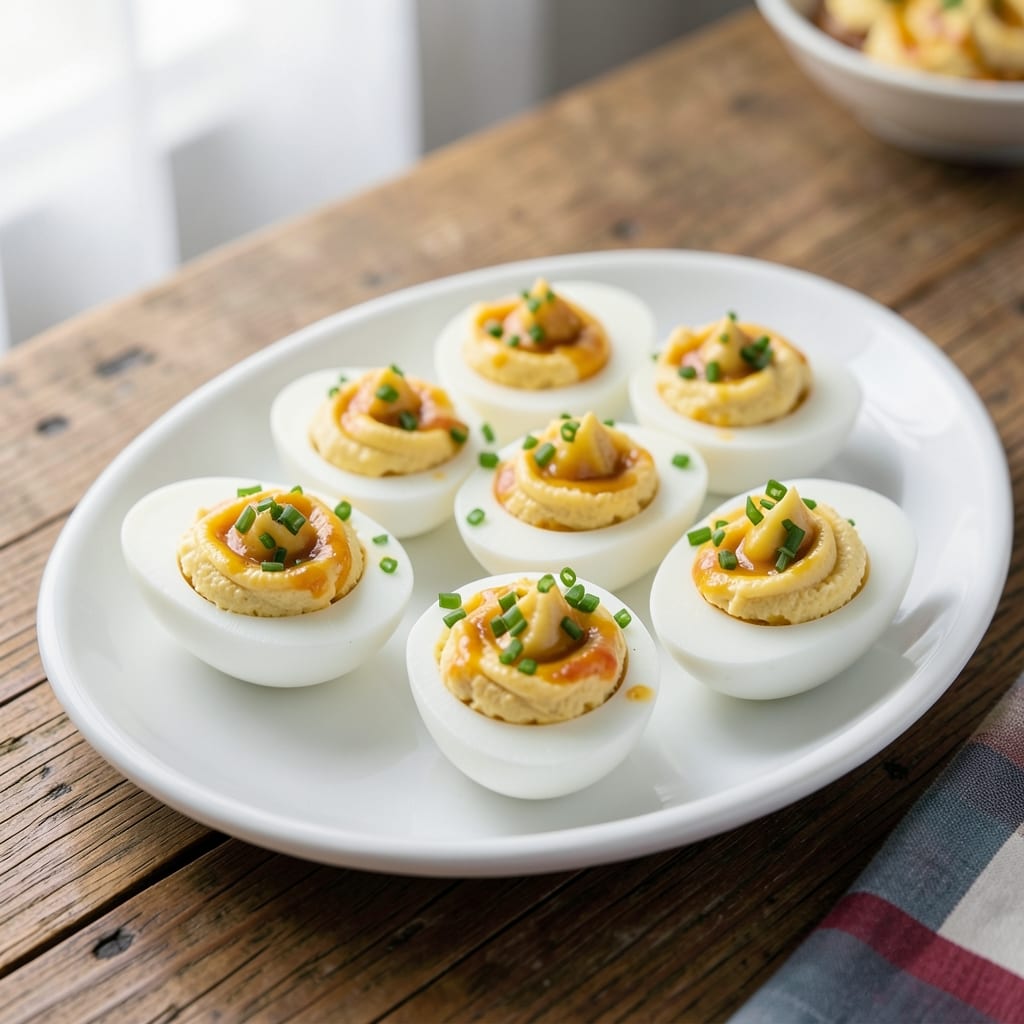
This boiled egg recipe for deviled eggs delivers perfectly firm whites and creamy, vibrant yolks every time—no more green rings or dry yolks. 💛 The secret lies in precise timing and a gentle cooling process that preserves texture, ensuring your deviled eggs look and taste like they came from a professional kitchen. I've tested this method countless times, and it's the only one that consistently delivers the ideal balance for classic deviled eggs.
What sets this recipe apart is the two-stage boiling method that prevents overcooking while maintaining a perfectly set yolk. We start with a 9-minute boil, then transfer eggs to an ice bath for 5 minutes—this stops the cooking process instantly and keeps the yolks rich and creamy rather than rubbery. The result? Deviled eggs with smooth, velvety fillings that hold their shape beautifully.
Once you've mastered the boiling technique, we'll move to the filling—where mayonnaise, Dijon mustard, and a touch of paprika create a perfectly balanced flavor. The filling should be thick enough to stay put but light enough to melt into every bite. Garnish with a sprinkle of paprika or fresh chives for that restaurant-quality finish.
This recipe isn't just about perfect eggs—it's about elevating a classic dish with professional techniques you can use for any occasion. Whether you're hosting a brunch, packing lunches, or just craving a nostalgic bite, these deviled eggs will be the star. Let's get started with the foolproof method that makes all the difference.
Ingredients for best boiled egg recipe for deviled eggs
Twelve perfect eggs and ten simple ingredients transform into deviled eggs with restaurant-quality precision.
| Ingredient | Amount | Notes |
|---|---|---|
| Large Eggs 🥚 | 12 whole | Room temperature preferred |
| Ice Cubes ❄️ | 4 cups | For immediate cooling bath |
| White Vinegar 🍶 | 1 tbsp | Prevents cracking during boiling |
| Mayonnaise 🥫 | 1 cup | High-quality, stable brand |
| Dijon Mustard 🌶️ | 1 tbsp | Mild or strong according to taste |
| Yellow Mustard 🍯 | 1 tsp | For subtle sweetness balance |
| Smoked Paprika 🌶️ | ½ tsp | For color and depth |
| Kosher Salt 🧂 | ½ tsp | Diamond Crystal preferred |
| Fresh Chives 🌿 | 2 tbsp | Finely chopped for garnish |
| Cold Water 💧 | 4 cups | For ice bath preparation |
The eggs are non-negotiable—room temperature is key for even cooking. Pasture-raised eggs from Crowd Company or Vital Farms deliver superior flavor, but any high-quality eggs work. The white vinegar isn't optional: it prevents cracking during boiling, which is especially important when making deviled eggs in bulk. For the ice bath, use 4 cups ice cubes (about 2 cups worth of ice) plus 4 cups cold water—this maintains the perfect temperature to halt cooking instantly. Store your eggs in the fridge until ready to use, but let them sit for 10 minutes before boiling for consistent results.
No high-quality mayo? Hellmann's or Best Foods are reliable brands, but homemade works too—just ensure it's stable enough to hold its shape. Swap Dijon for whole-grain mustard if preferred, though it adds texture. The smoked paprika can be replaced with regular paprika at double the amount for milder flavor. For a tangier filling, add an extra ½ teaspoon lemon juice. Chives wilt fast, so buy them fresh and store them wrapped in damp paper towels in the fridge. If you can't find fresh, dried chives at half the amount work in a pinch. Always taste your filling before assembling—adjust salt or mustard as needed for balance.
Boiled eggs keep 1 week in the fridge, but deviled eggs are best enjoyed within 3 days for optimal texture. Store filled eggs in an airtight container in the fridge, with parchment paper between layers to prevent sticking. For longer storage, freeze the filling separately—it keeps for 3 months. Reheat gently before using. The ice bath water can be reused once for another batch of eggs, but discard after the second use to maintain cleanliness. Always use a clean spoon for each egg when filling to prevent cross-contamination.
Why You'll Love This Recipe
- No-Fuss Boiling: I swear by the ice bath trick—those eggs peel like magic. No stubborn shells clinging to the yolk, just smooth, creamy halves ready to go.
- Creamy Kick: That tangy mayo-Dijon mix? It’s the secret weapon. The vinegar in the boiling water sharpens the flavor, while the mustard adds just enough bite to keep it interesting.
- Party Ready: Deviled eggs are my go-to for potlucks, picnics, or even a last-minute snack tray. Make a batch ahead, and you’ve got a crowd-pleaser that looks fancy but takes minutes to assemble.
- Pantry Staple Magic: Eggs, mayo, and mustard? You’re already stocked. No specialty ingredients, no extra shopping—just pull what you’ve got and get cooking. (Yes, even on a Tuesday night.)
Step-by-step instructions for perfectly boiled eggs
Master this method and you'll achieve eggs with firm whites and velvety yolks every time.
🍳 Step 1: Prepare Eggs and Boiling Water
Place the 12 whole Large Eggs in a single layer at the bottom of a medium saucepan. Add the 4 cups Cold Water and 1 tbsp White Vinegar—this prevents cracking and helps yolks stay centered. Bring to a gentle boil over medium-high heat. Once boiling, immediately reduce heat to low and maintain a barely simmering state—you're looking for tiny bubbles just breaking the surface, not a rolling boil.
This controlled simmer is critical. A rolling boil causes the whites to toughen and turn rubbery, while the yolks can become overcooked. The vinegar also helps the whites set more uniformly. If you see large bubbles or hear popping sounds, your heat is too high—adjust immediately.
⏰ Step 2: Time the Cooking Precisely
Set a timer for 9 minutes from when the water returned to a simmer. This timing gives you that perfect balance: whites completely set but still tender, and yolks firm yet creamy—not runny, not overcooked. The 9-minute mark is non-negotiable for deviled eggs; any longer risks dry yolks.
While waiting, prepare an ice bath by filling a large bowl with 4 cups Ice Cubes. This step is essential for stopping the cooking process instantly and preventing continued heat transfer that can overcook the yolks. The contrast between the hot eggs and cold water also helps set the whites more firmly.
🥶 Step 3: Shock in Ice Bath
When the timer rings, use a slotted spoon to transfer the eggs immediately to the ice bath. Let them sit for 5 minutes, turning them gently once to ensure even cooling. This rapid cooling preserves the creamy texture of the yolks while locking in the whites' structure. If you skip this step, the yolks will continue cooking and may become grainy.
Here's a pro tip: I like to crack one egg immediately after removing it from the ice bath to test the doneness. The white should be completely opaque, and when you gently press the yolk, it should feel firm but still slightly yielding—not hard like a hard-boiled egg.
🥘 Step 4: Peel and Prepare for Filling
Once cooled, peel the eggs under cool running water to make the shells slide off more easily. The water helps separate the membrane from the white. Tap the egg gently on a hard surface to crack the shell, then roll it between your palms to loosen. The water stream helps wash away any remaining shell fragments.
Cut each egg in half lengthwise and carefully remove about half of the yolk from each half, reserving it for the filling. The yolks should be smooth and creamy—not dry or crumbly. If any yolks look undercooked (too runny), they need more time next batch. If they're dry, reduce cooking time slightly.
Pro Tips For Making Best Boiled Egg Recipe For Deviled Eggs
- Shock Them Cold: Toss your eggs into ice water immediately after boiling—no waiting. I learned this the hard way when my eggs turned out rubbery; the cold stoppage keeps the whites firm and the yolks creamy for that perfect deviled texture.
- Vinegar First: Add a splash of white vinegar to your boiling water—about 1 tablespoon per quart. It cuts through the shell’s outer layer, making peeling easier later. (Yes, even if you’re impatient like me, this saves time.)
- Don’t Overfill the Pot: Use just enough water to cover the eggs by an inch—no more. Crowding them leads to uneven cooking, and you’ll end up with some eggs underdone and others mushy. Trust me, the extra water isn’t helping.
- Chill Before Peeling: Let the boiled eggs sit in ice water for at least 10 minutes before peeling. The shock makes the shell separate cleanly, so you’re not left with stubborn bits clinging to the white. (Your future self will thank you.)
Health benefits of this recipe
Protein Powerhouse
Deviled eggs are packed with high-quality protein—each egg provides about 6 grams, so this recipe delivers a whopping 72 grams of protein for 12 servings. That's nearly 15% of your daily needs in one sitting! The protein in eggs is complete, meaning it contains all nine essential amino acids your body needs for muscle repair and immune support. 💪
Healthy Fats for Energy
The yolks in deviled eggs contain heart-healthy fats, including omega-3 and omega-6 fatty acids. These fats support brain function and help reduce inflammation. The 1 cup of mayonnaise in this recipe adds about 12 grams of fat, but it's mostly unsaturated fat, which is better for your heart than saturated fat. I always opt for high-quality mayo to maximize these benefits.
Rich in Essential Vitamins
Each egg in this recipe provides vitamin B12, which is crucial for nerve function and red blood cell production. You'll also get a good dose of choline, a nutrient important for liver function and brain health. The Dijon mustard adds vitamin K, which supports bone health, while the smoked paprika contributes vitamin E, a powerful antioxidant.
Low-Calorie, High-Nutrient
Despite their creamy filling, deviled eggs are surprisingly low in calories—about 70 calories per serving when made with light mayo. They're also cholesterol-free (thanks to the egg whites) and contain no added sugars. The fresh chives add fiber and vitamin C, rounding out this nutrient-dense dish. It's a perfect balance of flavor and nutrition for a satisfying bite.
Antioxidant Boost
The smoked paprika in this recipe isn't just for flavor—it's loaded with antioxidants like capsanthin, which gives it that rich color and helps fight cell damage. The Dijon mustard also contains sinigrin, a compound with potential anti-cancer properties. Together, these ingredients make deviled eggs more than just a tasty appetizer—they're a functional food with real health benefits. ✨
Nutrition facts
Frequently asked questions
Why does your recipe call for an ice bath after boiling?
The ice bath is essential for stopping the cooking process instantly and preserving that creamy yolk texture you want in deviled eggs. Without it, the yolks continue cooking in the residual heat and can become grainy or overcooked. The 5-minute ice bath also helps set the whites more firmly, making them easier to peel later. Think of it as a thermal shock treatment for perfect eggs every time!
Can I make deviled eggs ahead of time?
Store the boiled eggs (unpeeled) in the fridge for up to 1 week or the filled deviled eggs for 3 days in an airtight container. For longer storage, freeze the filling separately—it keeps for 3 months. Just reheat gently before using. The key is keeping everything chilled to maintain texture and freshness.
What if my yolks turn greenish?
Greenish yolks usually mean overcooking or old eggs. Use fresh eggs (no older than 1 week) and stick to the 9-minute boil exactly. If you see green spots, reduce cooking time by 30 seconds next batch. Also, avoid using high heat—maintain a gentle simmer to prevent uneven cooking. Freshness matters most for that perfect golden yolk!
How do I fix runny yolks in my deviled eggs?
Runny yolks usually mean undercooked eggs. For next time, increase boiling time by 30 seconds to 1 minute (up to 10 minutes total). If you're already assembling, you can mix your filling with a bit of cornstarch slurry (1 tsp cornstarch + 1 tbsp water) to help thicken it. For immediate fixes, chill the eggs for 10 minutes before serving—the cold helps firm them up slightly.
What's the best way to prevent cracked eggs?
Add 1 tbsp white vinegar to your boiling water—it helps strengthen the eggshells and prevents cracking. Also, use eggs at room temperature (not straight from the fridge) and avoid overcrowding in the pot. If you do crack an egg, simply peel it carefully and use it for another purpose like scrambled eggs. The vinegar trick makes all the difference!