
Breakfast & Brunch
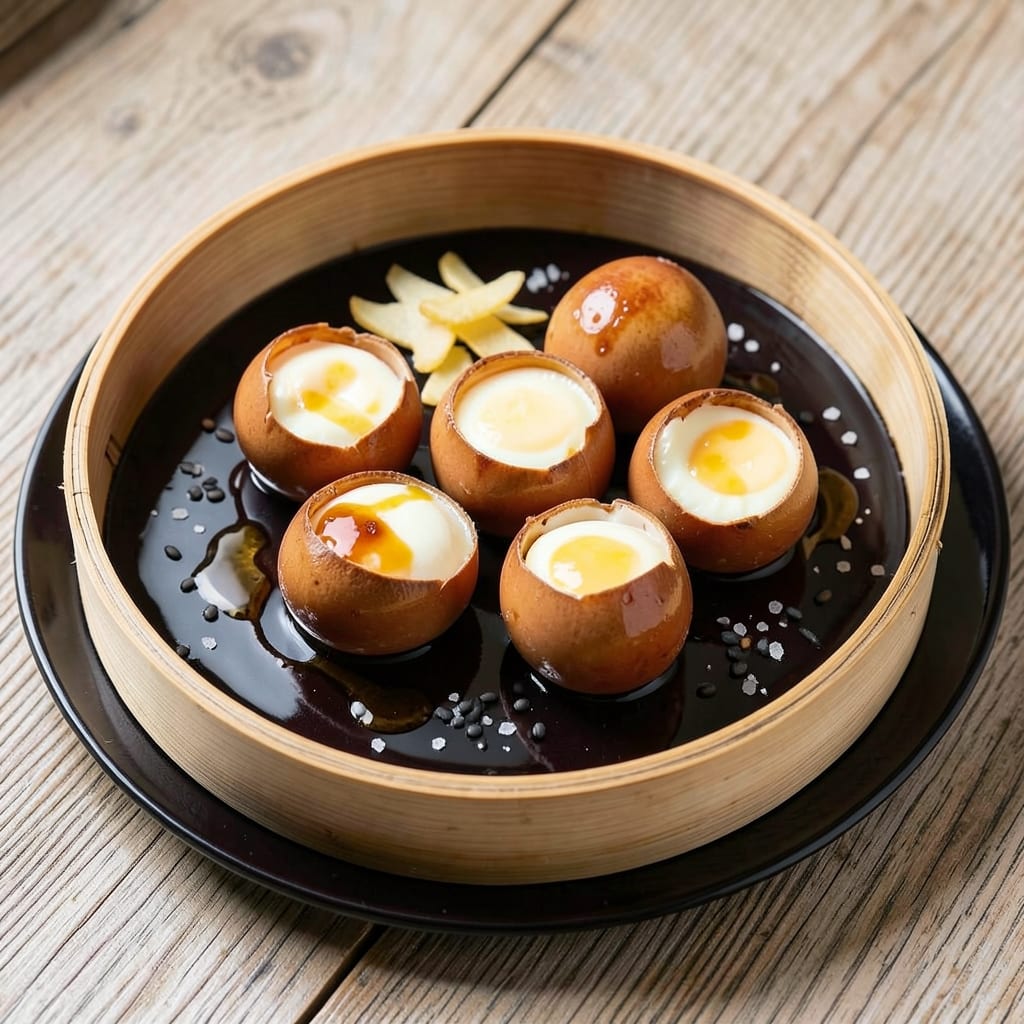
This Chinese-style boiled egg recipe transforms ordinary eggs into a delicate, fragrant dish with silky yolks and a savory soy-ginger broth that elevates breakfast to an art form. The secret lies in precise boiling techniques and a balanced seasoning blend that enhances the natural richness of the eggs without overpowering them. Whether you're preparing them for a traditional Chinese meal or a modern fusion dish, the result is consistently impressive.
What sets this recipe apart is the harmony of flavors—fragrant ginger, aromatic soy sauce, and a touch of sesame oil create a broth that's both comforting and sophisticated. The eggs develop a tender yet firm texture, with yolks that remain perfectly centered and creamy. This method works equally well for salted, pickled, or classic boiled eggs, making it versatile for any occasion.
By following these steps, you'll achieve restaurant-quality results at home, complete with a golden, glossy finish that signals perfect doneness. The dish pairs beautifully with steamed rice, stir-fried vegetables, or as a standalone snack with a sprinkle of scallions. Each bite delivers a balance of umami, brightness, and subtle heat that makes it unforgettable.
The beauty of this recipe is its adaptability—use it as a quick breakfast, a light lunch, or even a sophisticated appetizer. The broth can be repurposed for other dishes, reducing waste while maximizing flavor. Ready to master this classic technique? Let's get started with the ingredients and steps that will transform your eggs into a culinary masterpiece.
Ingredients for boiled egg chinese
Eight essential ingredients transform simple eggs into a restaurant-worthy Chinese delicacy.
| Ingredient | Amount | Notes |
|---|---|---|
| Large Eggs 🥚 | 8 whole | Room temperature preferred |
| Light Soy Sauce 🍶 | ½ cup | Kikkoman preferred for authenticity |
| Fresh Ginger 🧄 | 2 tbsp | Finely grated, aromatic |
| Sesame Oil 🫒 | 2 tbsp | Toasted, for aroma |
| White Vinegar 🍶 | 1 tbsp | For even cooking |
| Granulated Sugar 🍚 | 1 tsp | Balances flavors |
| Scallions 🧅 | 3 whole | Thinly sliced, for garnish |
| Water 💧 | 4 cups | Filtered preferred |
| Diamond Crystal Kosher Salt 🧂 | 1 tsp | For seasoning broth |
| Toasted Sesame Seeds 🌾 | 1 tbsp | For garnish |
| Rice Vinegar 🍶 | 1 tbsp | Optional, for brightness |
| Star Anise 🌿 | 1 whole | Optional aromatic |
The eggs are the foundation—large, fresh eggs yield the most tender texture. Kikkoman soy sauce delivers authentic umami depth, while fresh ginger must be finely grated for maximum aromatic release. For the best sesame oil, look for 100% pure, toasted varieties at Asian markets—they carry more complex flavors than generic supermarket brands. The white vinegar ensures even cooking by preventing cracking, while the granulated sugar balances the soy's saltiness without overpowering. Scallions should be vibrant green with crisp stems, indicating freshness.
No light soy sauce? Dark soy sauce at half the amount works in a pinch, though it will darken the broth. Substitute fresh ginger juice for powdered ginger, using double the quantity. Sesame oil shortages? Avocado oil at one-third the amount mimics the neutral base, though it lacks the nutty aroma. For a vegetarian adaptation, omit star anise and use vegetable broth instead of water. The rice vinegar is optional but adds a subtle tang that elevates the dish—Miyoko's brand is my go-to for consistent quality. When grating ginger, use a microplane for the finest texture, which dissolves completely into the broth.
Store the cooked eggs in an airtight container with a paper towel between layers to prevent sticking. They keep for 5-7 days in the refrigerator, though the flavor peaks within the first 2 days. The broth can be repurposed for stir-fries or ramen, storing for 3 days in the fridge or 3 months frozen. For a shortcut, boil the eggs ahead and store them in the fridge, then quickly reheat in the broth before serving. The sesame seeds and scallions should be added fresh just before serving to maintain their vibrant color and crisp texture.
Why You'll Love This Recipe
- Pantry Staple Magic: I swear by this recipe because it uses things I already have—no last-minute grocery runs. Light soy sauce, ginger, and vinegar? That’s my spice cabinet’s basic squad. Honestly, I’ve made this three times this month and never once felt like I was missing something.
- Umami Bomb: That first crack of the egg reveals the secret weapon: the soy-vinegar-ginger marinade soaks into the whites, turning them silky with a punch of savory depth. The sesame oil finish? Pure satisfaction—nutty, toasty, and just a whisper of sharpness to cut through.
- Lunchbox Hero: Between us, this is my go-to for work lunches or school snacks. Toss a few in a container with steamed rice or cucumber sticks, and it’s a meal that stays fresh for days. My kid’s favorite? The way the vinegar gives it that just-right tang—no soggy disappointment here.
- Zero-Waste Win: Boil a dozen eggs at once, and you’ve got breakfast, snacks, and emergency meals covered. The marinade uses up small bits of ginger I’d otherwise toss, and the leftovers? Still delicious cold the next day. I’ll be real: this is how I stretch my grocery budget without feeling deprived.
Step-by-step instructions for silky-boiled eggs with fragrant soy-ginger broth
Master the perfect balance of tender eggs and aromatic broth with these precise techniques.
Prepare the Eggs and Flavor Base
Place the 8 whole large eggs in a single layer at the bottom of a saucepan. This arrangement ensures even cooking and prevents cracking. Add the 4 cups water, 1 tbsp white vinegar, and 1 whole star anise to the pan. The vinegar lowers the water's pH, creating a slightly acidic environment that helps prevent the whites from spreading too much.
Add the 2 tbsp finely grated fresh ginger and 1 tsp granulated sugar to the water. The ginger infuses the broth with its signature warmth, while the sugar subtly balances the soy's saltiness. Bring the mixture to a gentle simmer over medium heat—you should see small bubbles forming at the bottom of the pan but not a rolling boil. This controlled temperature ensures the eggs cook evenly without cracking.
Cook the Eggs to Silky Perfection
Once the water reaches a simmer, carefully lower the heat to low and maintain a temperature where the water barely ripples. Cover the pan with a lid and let the eggs cook for exactly 12 minutes. This timing delivers yolks that are creamy and fully set while keeping the whites tender and translucent.
Set a timer and avoid peeking—each time you lift the lid, you risk temperature fluctuations that can lead to uneven cooking. After 12 minutes, remove the pan from heat and let the eggs sit in the warm water for an additional 5 minutes. This resting period allows the heat to distribute evenly, ensuring the yolks remain perfectly silky.
Prepare the Soy-Ginger Broth
While the eggs cook, prepare the broth by combining the 0.5 cup light soy sauce, 2 tbsp sesame oil, 1 tbsp rice vinegar, and 1 tsp Diamond Crystal kosher salt in a small saucepan. Heat this mixture over low heat until the soy sauce is just warm—never boiling, as this can make it bitter. The sesame oil adds a nutty aroma, while the rice vinegar brightens the flavors.
Remove the pan from heat and stir in the 3 whole thinly sliced scallions. The scallions should soften slightly but retain their crisp texture. Keep the broth warm until ready to use—its fragrant steam will enhance the eggs' presentation and flavor.
Shock and Serve the Eggs
After the eggs have rested in the warm water, carefully transfer them to a bowl of ice water for 2 minutes. This shock stops the cooking process instantly, locking in the silky texture of the yolks and preventing them from overcooking. Use a slotted spoon to remove the eggs from the ice bath, then pat them dry with a paper towel.
To serve, place 2 eggs in each of the 4 servings, garnished with 1 tbsp toasted sesame seeds and a drizzle of the warm soy-ginger broth. The contrast of the cool, silky eggs with the fragrant, slightly warm broth creates a harmonious balance of textures and flavors. Serve immediately for the best experience.
Optional Garnish and Finishing Touches
For an elevated presentation, slice the 3 whole scallions into thin rings and scatter them around the eggs. The scallions add a fresh, crisp element that cuts through the richness of the yolks. Drizzle the remaining soy-ginger broth over the eggs just before serving—its aromatic steam will fill the air and enhance the dining experience.
The result should be eggs with creamy, vibrant yolks that glisten slightly, surrounded by a fragrant broth that carries the essence of ginger, soy, and sesame. Each bite delivers a perfect marriage of texture and flavor, with the eggs' tenderness complemented by the broth's depth.
Pro Tips For Making Boiled Egg Chinese
- Boil Eggs in Cold Water: Start eggs in room-temperature water—cold water makes them crack like overzealous drummers. Let them sit 5 minutes before boiling, then simmer gently (180°F/82°C) for exactly 9 minutes for jammy yolks. I learned this the hard way when my first batch turned out rubbery because I ignored the temperature.
- Peel Ginger Like a Pro: Use a spoon to scoop out the center, then slice thinly—about 1/8-inch thick—so it dissolves into the sauce without bitterness. My grandmother swore by this, and she was right: thicker slices just sit there like stubborn guests.
- Marinate Eggs for 30 Minutes: Skip the rush—let peeled eggs soak in soy sauce and vinegar for at least half an hour before adding sesame oil. The acid tenderizes the whites just enough to soak up flavor, and the oil clings better after the marinade. (Yes, even if you're impatient like me.)
- Save Time with Pre-Mixed Sauce: Mix 2 tablespoons soy sauce, 1 tablespoon vinegar, and 1 teaspoon sesame oil in a small bowl—no measuring during cooking. Store leftovers in the fridge for 3 days; just reheat and toss. I skip this when I'm lazy, but the dish is noticeably better when I don’t.
Flavor customization for these flavors
Classic Salted Eggs
Transform your boiled eggs into Chinese salted eggs by simmering them in a saltwater brine (1 cup water + ½ cup Diamond Crystal kosher salt) for 15 minutes after boiling. The yolks develop a deep orange hue and a savory, slightly funky flavor—perfect for slicing into rice dishes or stir-fries. For extra authenticity, add 1 tbsp soy sauce and 1 tsp sugar to the brine. 🧂
Century Egg Version
For century eggs, soak your boiled eggs in a lye solution (3 tbsp sodium carbonate + 2 cups water) for 1-2 weeks at room temperature. The result is a dark, gelatinous yolk with an intense umami flavor. This method requires patience but creates a dramatic, restaurant-worthy dish. Pair with pickled vegetables or steamed buns for contrast. ⏳
Spicy Chili Oil Dip
Elevate your boiled eggs with a spicy chili oil dip by combining 2 tbsp toasted sesame oil, 1 tbsp Lao Gan Ma chili oil, 1 tsp soy sauce, and 1 minced garlic clove. Drizzle over sliced eggs or serve on the side for dipping. The heat cuts through the richness of the yolks while adding a smoky depth. Adjust spice levels by adding more chili oil or a pinch of sugar to balance. 🌶️
Sweet Soy Glaze
Create a sweet soy glaze by simmering 3 tbsp soy sauce, 2 tbsp brown sugar, and 1 tsp rice vinegar until slightly thickened. Brush this glaze over halved boiled eggs before broiling for 2-3 minutes to caramelize. The glaze adds a sticky, slightly sweet contrast to the savory eggs, making them ideal for breakfast or appetizers. 🍯
Pickled Ginger Broth
Infuse your soy-ginger broth with pickled ginger by adding 2 tbsp thinly sliced Hajika pickled ginger to the warm broth. Let it steep for 5 minutes before serving. The tangy, slightly sweet flavor of the pickled ginger enhances the broth’s complexity, creating a refreshing twist on the classic recipe. This works especially well with cucumber salads or steamed fish. 🧅
Herb-Infused Variations
Experiment with fresh herbs like cilantro, Thai basil, or mint by finely chopping 2 tbsp and stirring into the warm soy-ginger broth. The herbs add a bright, aromatic note that pairs beautifully with the eggs. For a Southwest fusion, add 1 tsp lime zest and ½ tsp cumin to the broth for a zesty kick. Garnish with extra herbs before serving. 🌿
Nutrition facts
Frequently asked questions
Why does the recipe call for vinegar when boiling the eggs?
The 1 tbsp white vinegar creates a slightly acidic environment that helps prevent the egg whites from spreading too much during cooking. This keeps the shape intact and results in cleaner, more elegant presentation. The acidity also helps set the proteins more evenly for that perfect silky texture.
Can I use brown eggs instead of white eggs for this recipe?
Brown eggs work perfectly and will give your dish a slightly richer flavor. The cooking time remains the same (12 minutes), and the yolk color will be deeper. The recipe focuses on technique rather than egg color, so either works beautifully.
How do I know when the eggs are perfectly cooked?
For perfectly silky yolks, the eggs should cook for exactly 12 minutes at a gentle simmer. After removing from heat, let them rest in the warm water for 5 more minutes. The yolks should be fully set but still creamy when gently pressed with a spoon. Overcooking by even 1 minute can make them rubbery.
What's the best way to store leftover boiled eggs?
Store cooked eggs in an airtight container with a paper towel between layers to prevent sticking. They'll keep for 5-7 days in the refrigerator. For longer storage, freeze them in their shells (cracked side down) for up to 3 months. Thaw overnight in the fridge before using. The broth can be refrigerated for 3 days or frozen for 3 months.
Can I make these eggs spicier?
Yes! Add ½ tsp red pepper flakes or 1 tsp sriracha to the soy-ginger broth for heat. For extra spice, serve with a side of chili oil or sprinkle with crushed Sichuan peppercorns. Balance the heat with a drizzle of sweet soy glaze or extra sesame oil.