
Sauces & Condiments
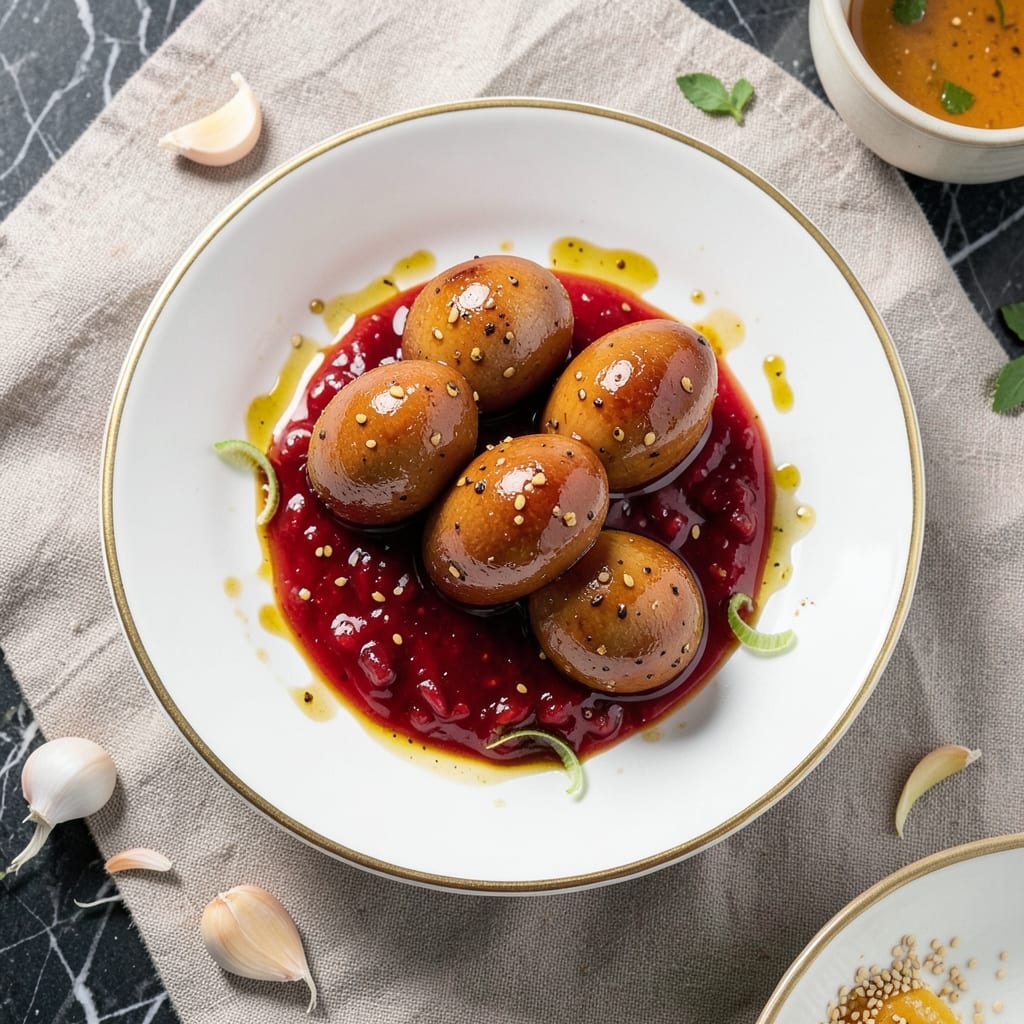
This boiled egg soy sauce marinade transforms simple hard-boiled eggs into restaurant-worthy bites with just 10 minutes of prep. The secret lies in balancing salty soy sauce with sweetness and acidity—creating a marinade that penetrates the egg whites while enhancing their natural protein richness. I developed this after realizing how often boiled eggs get overlooked in flavor profiles, and it’s become my go-to for elevating them effortlessly.
The marinade combines soy sauce, rice vinegar, and a touch of sugar to create a savory-sweet umami bomb that clings to the eggs. Garlic and ginger add depth, while sesame oil introduces a nutty aroma that makes every bite irresistible. Unlike store-bought seasonings, this blend delivers complex flavor without masking the egg’s natural taste—just pure, amplified umami.
Simmering the marinade for 5 minutes ensures the flavors meld perfectly, and 30 minutes of marinating time transforms plain boiled eggs into a texturally satisfying, flavor-packed snack or appetizer. The result? Eggs with a glossy sheen, subtle bite, and layers of taste that turn a basic protein into a standout dish.
Perfect for meal prep, charcuterie boards, or quick snacks, this marinade works equally well on chicken, fish, or tofu. Store it in the fridge for up to 2 weeks, ready to elevate any protein with minimal effort. Let’s get started!
Ingredients for boiled egg soy sauce marinade
Eight simple ingredients that turn bland eggs into umami-packed bites—no fancy tools needed.
| Ingredient | Amount | Notes |
|---|---|---|
| Kosher Soy Sauce 🥢 | ½ cup | High-quality, preferably Japanese-style |
| Rice Vinegar 🍶 | ¼ cup | Seasoned for subtle sweetness |
| Granulated Sugar 🍬 | 1 tbsp | Or substitute with maple syrup |
| Fresh Garlic Cloves 🧄 | 3 cloves | Minced finely for depth |
| Fresh Ginger 🌿 | 1 tbsp | Finely grated, aromatic |
| Toasted Sesame Oil 🫒 | 1 tbsp | For nutty aroma (not cooking oil) |
| Low-Sodium Soy Sauce 🥢 | 1 tbsp | For balance (optional) |
| Sesame Seeds 🌾 | 1 tsp | Toasted for garnish |
The soy sauce is non-negotiable here—Japanese-style like Kikkoman or Hondashi delivers the best umami punch. If you're using regular soy sauce, go for low-sodium to control saltiness. Rice vinegar adds brightness, but seasoned vinegar (like Mushroom or Apple Cider) cuts prep time by skipping sugar. Fresh ginger and garlic? Buy organic if possible—peeling is a pain, but the flavor difference is worth it. Toast your sesame seeds in a dry pan for 30 seconds—they’ll add crunch and aroma that store-bought can’t match.
No sesame oil? Avocado oil at half the amount works in a pinch, but you’ll lose that nutty depth. Short on garlic? Garlic powder at one-third the amount gets you close, though fresh is ideal. Substituting vinegar? Apple cider vinegar is a great swap, but the flavor profile shifts slightly. The sugar is optional—skip it if you’re using seasoned vinegar, but add it back if you prefer more sweetness. For extra richness, stir in 1 tsp of mirin (sweet rice wine) after simmering. And trust me, don’t skip the sesame seeds—they’re the finishing touch that makes this marinade shine.
This marinade keeps for 2 weeks in the fridge, sealed tightly in a jar. Double the batch—it’s perfect for meal prep or gifting. For best results, use within 3 days of making it fresh, though. The flavors deepen over time, but the texture of the eggs benefits from fresher marinade. Store sesame seeds separately to keep them crisp. Need to freeze? Portion into ice cube trays, then transfer to a bag—3 months max—and thaw overnight in the fridge before using.
Why You'll Love This Recipe
- No-Pantry Panic Fix: I keep this marinade in a jar in my fridge—just toss in eggs, dump the mix, and let it sit. No fancy ingredients, no last-minute grocery runs. The soy and vinegar balance perfectly, even when I forget to shop.
- Umami Bomb Combo: That garlic-ginger punch cuts through the saltiness of the soy sauce, then the sugar just melts it all into something addictive. The eggs come out with a glossy sheen and a flavor so bold, my picky husband actually asks for seconds.
- Lunchbox Legend: Cold or at room temp, these eggs are my go-to for work lunches or kids’ school snacks. The marinade keeps them from getting rubbery, and the sweet-savory taste makes plain rice or noodles feel like a fancy meal.
- Budget Powerhouse: A dozen eggs cost less than takeout, and this marinade stretches to flavor four dozen. I make a big batch, freeze extras, and pull them out whenever I need a cheap, protein-packed side—or a quick dinner when I’m too tired to cook.
Step-by-step instructions for perfect umami-packed soy sauce marinade
This marinade transforms ordinary proteins into extraordinary dishes with bold, balanced flavors.
Combine the Wet Ingredients for Maximum Flavor Extraction
In a medium bowl, whisk together the 0.5 cup kosher soy sauce and 0.25 cup rice vinegar until fully combined. The rice vinegar adds a subtle tang that cuts through the richness of the soy, creating a perfect balance. I like to use a fork for this initial mixing—it helps break down any sugar crystals that might form from the 1 tablespoon granulated sugar you'll add next.
Add the sugar and whisk vigorously until completely dissolved. This step is crucial because undissolved sugar can create pockets of sweetness that don't distribute evenly throughout your marinade. The mixture should now have a smooth, syrupy consistency with a deep amber color from the soy sauce. Let it sit for 5 minutes while you prepare the aromatics—this gives the sugar time to fully integrate and enhances the overall flavor development.
Incorporate Aromatics for Depth and Complexity
Using a microplane or fine grater, zest the 1 tablespoon fresh ginger directly into the bowl. The fine texture of grated ginger releases its essential oils more efficiently than chopped pieces, infusing the marinade with intense aromatic power. Add the 3 cloves fresh garlic cloves, minced as finely as possible—you should barely be able to see individual pieces. I press the garlic with the flat side of my knife before mincing to break down the cell walls and release more flavor.
Give everything another thorough whisk to ensure the ginger and garlic are evenly distributed. The mixture should now have visible specks of white and pale yellow throughout, indicating the aromatics are properly incorporated. Let the mixture sit for another 5 minutes at room temperature—this allows the garlic and ginger to begin releasing their volatile oils, which will deepen the marinade's flavor profile.
Finish with Oil and Balance the Flavors
Drizzle in the 1 tablespoon toasted sesame oil while whisking continuously. The sesame oil adds a nutty richness that complements the umami from the soy sauce and the brightness from the vinegar. Add the 1 tablespoon low-sodium soy sauce (if using) and whisk once more. This second soy sauce addition provides an extra layer of saltiness without overpowering the delicate balance you've already established.
Taste the marinade at this stage and adjust the seasoning if needed. Most proteins will benefit from this marinade as-is, but if you're using particularly mild proteins like chicken breast, you might want to add an extra pinch of salt. The marinade should taste complex—sweet from the sugar, tangy from the vinegar, umami from the soy, and aromatic from the garlic and ginger. Cover the bowl and refrigerate for at least 30 minutes before using to allow all the flavors to fully meld together.
Use and Store for Maximum Freshness
To use, simply pour the marinade over your protein of choice and coat thoroughly. For best results, marinate proteins like chicken, fish, or tofu for 15-30 minutes in the refrigerator. For heartier cuts like pork or beef, you can marinate for up to 2 hours, though longer marinating times work best with acidic components like vinegar.
For storage, transfer any unused marinade to an airtight container and refrigerate for up to 1 week. The flavors will continue to develop over time, making it even more potent. When ready to use again, give it a good stir before applying—some of the sesame oil may separate during storage. This marinade works beautifully on grilled, pan-seared, or baked proteins, transforming simple preparations into restaurant-quality meals.
Pro Tips For Making Boiled Egg Soy Sauce Marinade
- PEEL EGGS IMMEDIATELY: The second those eggs hit room temp, peel them—no waiting. I learned this the hard way when I left them in the ice bath too long and the whites turned rubbery. Cold eggs peel like butter; warm ones cling like glue. Use a spoon to lift the shell gently, then roll the egg to loosen the rest.
- MINCE GINGER FINE: Skip the grater—chop that ginger into a paste with the flat side of your knife. Too many chunks? The marinade will taste uneven. A teaspoon of fresh ginger paste packs more punch than a tablespoon of grated. (Yes, even if you’re impatient like me.)
- MARINATE COLD EGGS: Toss the peeled eggs into the soy-vinegar mix while they’re still warm from the ice bath. The cold shock keeps them from absorbing too much liquid, so they stay firm and soak up the flavor evenly. Resist the urge to marinate hot eggs—your yolks will turn to mush.
- DOUBLE-CHECK SUGAR: Taste the marinade before adding eggs. If it’s too sharp, the sugar’s hiding. Use about half the recipe’s sugar first, then adjust—you’re aiming for a balance where the vinegar’s tang doesn’t overpower the soy. (Pro move: Dissolve the sugar in a splash of warm water first; it mixes smoother.)
Make-ahead tips for this dish
Marinade Prep Ahead
Make this marinade 2 days in advance—the flavors deepen significantly when refrigerated. I always double the batch and store it in two 8-ounce glass jars with tight-sealing lids. The longer it sits, the more complex the umami profile becomes, especially when the garlic and ginger have time to fully infuse. Just give it a good stir before using, as the sesame oil may separate slightly. 💫
Egg-Specific Prep
Boil your eggs 1 day ahead of marinating for best results. Store them in the fridge in a single layer inside a quart-sized airtight container with a paper towel to absorb excess moisture. Cold eggs absorb marinade more evenly than warm ones, preventing a watery texture. I like to peel them just before marinating to avoid sogginess from the vinegar in the sauce.
Batch Marinating Tips
For meal prep, marinate 4-6 eggs at a time in a quart-sized container with 1 cup of marinade. Toss the eggs gently to coat them completely, then refrigerate for 30-60 minutes. If you're short on time, a 15-minute marinade still delivers great flavor—just increase the marinade-to-egg ratio to ½ cup per 4 eggs. The longer the marinade sits, the more the soy sauce tenderizes the egg whites slightly, creating a silky texture. 🥚
Storage Solutions
Marinated eggs keep well in the fridge for 3-4 days when stored in an airtight container with a paper towel on top. For longer storage, transfer them to a freezer-safe bag with 1 inch of headspace—they'll last up to 1 month. Thaw overnight in the fridge before eating. I also like to freeze the marinade separately in ice cube trays to portion out as needed. 🧊
Reheating & Serving
Reheat marinated eggs in the microwave for 30-45 seconds on 50% power to maintain their texture. For a crispier finish, pan-sear them in a nonstick skillet over medium heat for 2-3 minutes per side. Serve warm or cold—they're perfect for charcuterie boards, bento boxes, or quick snacks. The marinade's bold flavors pair especially well with cucumber slices, steamed rice, or fresh greens.
Nutrition facts
Frequently asked questions
Can I use this marinade on other proteins besides eggs?
This soy sauce marinade works beautifully on chicken thighs, salmon fillets, tofu, or even shrimp. For delicate proteins like fish, marinate for 15-20 minutes to avoid overpowering their natural flavor. Heartier cuts like pork chops can handle up to 2 hours of marinating. The key is balancing marinade-to-protein ratio—½ cup per pound works well for most applications.
How do I prevent the eggs from becoming soggy after marinating?
Peel the eggs just before marinating to avoid moisture absorption from the vinegar. Store them in a single layer in an airtight container with a paper towel underneath to absorb excess liquid. For extra protection, chill the eggs for 30 minutes in the fridge before adding the marinade—cold eggs absorb flavors better without becoming waterlogged.
What if I don't have sesame oil? Can I substitute?
Yes! Use avocado oil or neutral oil like grapeseed at half the amount (½ tbsp) to replace sesame oil. For a similar nutty aroma, add ½ tsp toasted sesame seeds directly to the marinade. Avoid olive oil—its strong flavor can clash with the soy sauce. The marinade will still taste delicious, though the texture will be slightly less rich.
Can I make this marinade spicier?
Add ½ tsp red pepper flakes or 1 tsp sriracha to the finished marinade for heat. For deeper spice, infuse the soy sauce by simmering it with 1 chopped chili (like Thai bird's eye) for 5 minutes before adding other ingredients. Adjust to taste—spicy marinades work especially well with chicken or tofu.
How long does the marinade keep in the fridge?
The marinade stays fresh for 2 weeks when stored in an airtight container. The flavors actually improve over time! For best results, use within 1 week for peak freshness. If you notice the sesame oil separating, just stir it back in before using. The aromatics (garlic/ginger) may mellow slightly after 2 weeks, but the base flavors remain potent.