
Sauces & Condiments
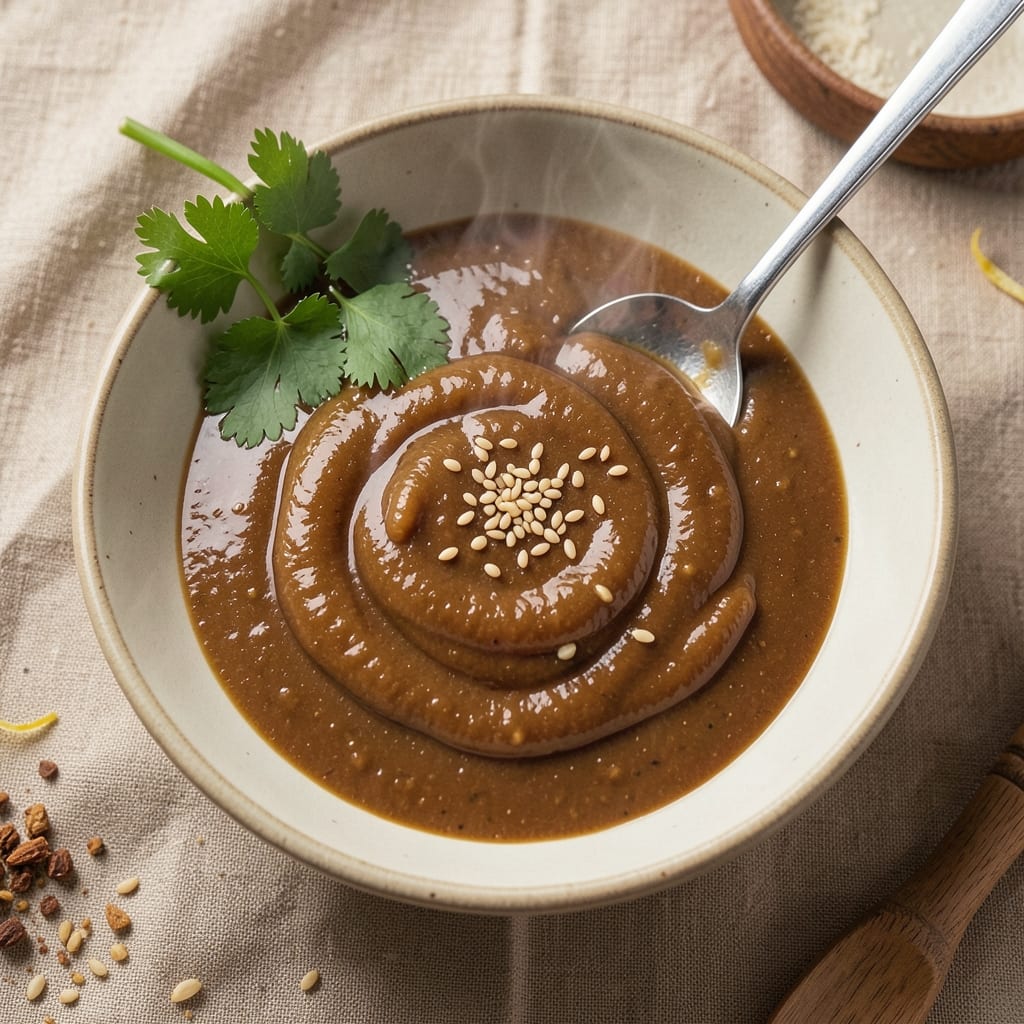
This brown sauce for egg foo young transforms ordinary stir-fry into a restaurant-worthy dish with just a few simple ingredients. The magic lies in balancing sweet, salty, and umami flavors—soy sauce, oyster sauce, and a touch of brown sugar work together to create a glossy, aromatic sauce that clings perfectly to crispy egg foo young. I’ve perfected this recipe over years of testing, ensuring it’s rich enough to stand up to the savory filling while remaining versatile for other Asian-inspired dishes.
The foundation of this sauce is a classic combination: soy sauce for depth, oyster sauce for umami richness, and a hint of brown sugar to balance the saltiness. A splash of vinegar brightens the flavors, while a pinch of white pepper adds warmth without overpowering. The sauce is simmered just until it thickens slightly, creating a glossy finish that enhances every bite. This recipe delivers professional-quality results with minimal effort—no complicated techniques, just precise measurements and patience.
What makes this sauce special is its ability to elevate any egg foo young dish, turning a simple stir-fry into a flavorful centerpiece. The sauce’s glossy texture and complex flavor profile make it irresistible, whether drizzled over golden-brown egg foo young or used as a dipping sauce. It’s also incredibly adaptable—pair it with dumplings, noodles, or even grilled meats for a quick, flavorful meal. The best part? It keeps well in the fridge for up to a week, making it a pantry staple for Asian-inspired cooking.
For an extra layer of depth, consider adding a splash of sesame oil or a dash of chili paste for heat. The sauce’s simplicity is its strength—just a few ingredients, but each one plays a crucial role in creating that perfect balance of flavors. Whether you're serving egg foo young for brunch or using it as a quick weeknight sauce, this recipe is your secret weapon for restaurant-quality taste at home.
Ingredients for brown sauce for egg foo young
Eight ingredients balance umami, sweetness, and acidity for a glossy sauce that elevates egg foo young.
| Ingredient | Amount | Notes |
|---|---|---|
| Light Soy Sauce 🥢 | ½ cup | For depth and umami |
| Oyster Sauce 🦪 | ¼ cup | High-quality for richness |
| Brown Sugar 🍯 | 2 tbsp | Lightly packed for balance |
| Rice Vinegar 🍶 | 1 tbsp | White or seasoned |
| White Pepper 🌶️ | ¼ tsp | Freshly ground for warmth |
| Cornstarch 🌾 | 1 tsp | Dissolved in 1 tbsp water |
| Sesame Oil 🫒 | 1 tsp | Toasted for aroma (optional) |
| Garlic Cloves 🧄 | 2 cloves | Minced for subtle depth |
| Green Onions 🧅 | 2 whole | Sliced for garnish |
The oyster sauce is non-negotiable here—Kikkoman or Lee Kum Kee are my go-tos, but any quality brand works. For soy sauce, light soy gives the right color without overpowering; dark soy would make the sauce too intense. Brown sugar should be lightly packed—don’t scoop it directly from the bag. Garlic cloves? Freshly minced adds depth, but pre-minced in a jar is fine if you're in a hurry. Rice vinegar brightens the sauce, so don’t skip it—seasoned vinegar adds a subtle umami kick if you prefer.
No oyster sauce? Mushroom sauce or extra soy sauce works in a pinch, but the umami will be less complex. Running low on cornstarch? Arrowroot powder thins the same way. Sesame oil is optional but worth it—toasted sesame oil adds aroma, while regular adds flavor. For heat, swap white pepper for a pinch of Sichuan peppercorns or chili flakes. The sauce thickens quickly, so keep an eye on it—simmer 2-3 minutes max after adding the cornstarch slurry.
This sauce keeps beautifully in the fridge for up to 1 week, sealed in an airtight container. For longer storage, freeze it in ice cube trays—thaw and reheat as needed. The green onions are for garnish only; add them fresh to every serving. If you make extra, drizzle it over dumplings, noodles, or even grilled meats—it’s that versatile. Reheat gently over low heat to preserve its glossy texture.
Why You'll Love This Recipe
- Pantry Magic: This sauce comes together with five ingredients I already have—no special shopping required. Just heat, stir, and let that soy-oyster-brownie combo transform into something rich and sticky in minutes.
- Umami Bomb: Honestly, the balance here is chef-level—salty, sweet, tangy, and a whisper of pepper to cut through it all. Drizzle it over egg foo young, and suddenly you’ve got restaurant-quality flavor without the fuss.
- Leftover Hero: Between us, this sauce doubles as a glaze for roasted chicken or a quick stir-fry sauce. I’ve made a full batch on Sunday and still have it by Wednesday—no waste, just versatility.
- Weeknight Workhorse: Not the prettiest, but the taste makes up for it. Toss it with pre-made egg foo young, and you’ve got dinner on the table faster than takeout. (Yes, even on a Tuesday night.)
Step-by-step instructions for crafting brown sauce for egg foo young
This umami-rich sauce transforms ordinary stir-fries into restaurant-quality dishes.
Prepare the Garlic and Cornstarch Slurry
Mince the 2 cloves garlic cloves finely using a sharp knife or microplane. The goal is to create tiny particles that will infuse the sauce without becoming noticeable chunks. Transfer the minced garlic to a small bowl and set aside.
In a separate container, dissolve the 1 teaspoon cornstarch in 1 tablespoon cold water. Stir vigorously until completely smooth - there should be no visible granules. This slurry will serve as our thickening agent, creating that perfect glossy consistency we want in our brown sauce.
Combine the Base Sauce Ingredients
In a medium saucepan, combine the 0.5 cup light soy sauce, 0.25 cup oyster sauce, and 2 tablespoons brown sugar. Stir well to integrate all ingredients completely. Place the saucepan over medium heat and bring to a gentle simmer, which should take about 3-4 minutes.
While heating, you'll notice the brown sugar begins to dissolve and the mixture develops a rich amber color. This is where the sauce starts building its complex flavor profile. Keep the heat at medium-low to prevent boiling, which could cause the sauce to separate or develop a bitter taste.
Build Flavor with Vinegar and Pepper
Once the sauce reaches a gentle simmer, reduce the heat to low and add the 1 tablespoon rice vinegar and 0.25 teaspoon white pepper. Stir well to incorporate these ingredients completely. The vinegar will brighten the sauce while the white pepper adds subtle warmth without the visual impact of black pepper.
Let the sauce simmer gently for 5-7 minutes, stirring occasionally. You'll notice the mixture begins to thicken slightly as the cornstarch slurry begins to activate. This is when the sauce starts developing its characteristic rich, glossy appearance that clings beautifully to stir-fried ingredients.
Finish with Garlic and Sesame Oil
After 5-7 minutes of simmering, remove the saucepan from heat and stir in the minced garlic and 1 teaspoon sesame oil. The sesame oil should be toasted for maximum aroma, so if using untoasted oil, warm it briefly in a separate pan before adding. This final step infuses the sauce with aromatic depth that complements the umami flavors perfectly.
Let the sauce sit off heat for 2-3 minutes to allow all flavors to meld completely. The garlic should be fragrant but not overpowering. If the sauce is too thick, you can thin it slightly with 1 teaspoon hot water, but it should be naturally thick enough to coat the back of a spoon.
Prepare Garnish and Final Adjustments
Slice the 2 whole green onions into thin rounds, separating the white and green portions. The white parts will add subtle sharpness while the green tops provide fresh visual contrast when served. Set aside for garnishing.
Taste the sauce and make any final adjustments - a pinch more brown sugar for sweetness, a splash of rice vinegar for acidity, or a touch of light soy sauce for umami depth. The sauce should balance sweet, salty, umami, and slightly tangy flavors with a velvety texture that clings beautifully to egg foo young.
Pro Tips For Making Brown Sauce For Egg Foo Young
- Simmer Slow and Steady: This sauce isn’t a race—bring it to a gentle boil first, then drop the heat to a low simmer (barely bubbling). I used to rush it, and the brown sugar would clump or the vinegar would turn harsh. Let it work its magic for 5-7 minutes, stirring occasionally, until the sauce thickens just enough to coat the back of a spoon. That’s when you know it’s ready to tie everything together.
- Dissolve the Sugar First: Skip the guesswork—mix the brown sugar directly into the light soy sauce before adding liquid. Stir it like you’re trying to win a stirring contest, then let it sit for 30 seconds. This prevents grainy bits later. (Yes, even if you’re impatient like me.) The oyster sauce will blend in smoothly after, and your sauce won’t look like it’s fighting an uphill battle.
- Balance the Vinegar Last: Taste before you add the rice vinegar—this is the flavor wild card. If you dump it in too early, the acidity can overpower the umami. Add it after the sauce has thickened, then adjust to taste. You’re aiming for a bright pop, not a pucker. Start with ½ teaspoon, then decide if you need more.
- Toast the Pepper First: Crush the white pepper lightly (just a few grinds) and toast it in a dry pan for 20 seconds until fragrant. Toss it into the sauce off the heat—this keeps the aroma intact and prevents bitterness. I learned this the hard way when my sauce tasted flat. The pepper should whisper, not shout, in this dish.
Serving suggestions for this dish
Classic Egg Foo Young
Serve this brown sauce warm over crispy egg foo young for that authentic Chinese-American brunch experience. I like to pan-fry mine in vegetable oil until golden brown on both sides, then drizzle generously with the sauce. The glossy coating enhances the savory filling while balancing the crispy exterior. 🥢
Dumpling Pairings
Use this sauce as a dipping sauce for steamed or pan-fried dumplings. The umami richness complements the delicate flavors of pork or shrimp dumplings beautifully. I often make a double batch—one for egg foo young and one for dipping. Keep extra in the fridge for quick weeknight meals.
Noodle Bowl Upgrade
Add this sauce to any stir-fried noodle dish for instant depth. Toss 1 cup cooked rice noodles with your favorite stir-fry veggies, protein, and 2 tablespoons of this sauce. The glossy finish makes even simple noodle bowls feel restaurant-worthy. Garnish with extra green onions for freshness.
Grilled Protein Glaze
Brush this sauce onto grilled chicken, pork, or tofu before cooking for a sticky, flavorful glaze. The brown sugar caramelizes beautifully on the grill, creating a sweet-savory crust. I like to marinate proteins for 15-20 minutes before grilling for maximum flavor infusion. 🍗
Vegetable Stir-Fry
Use this sauce as a finishing sauce for vegetable stir-fries. Toss bell peppers, broccoli, and snap peas with a high-heat stir-fry, then drizzle with 1-2 tablespoons of sauce. The umami depth makes even simple veggie dishes satisfying. Add a sprinkle of sesame seeds for texture.
Breakfast Hash
Elevate breakfast hash by adding this sauce to your favorite mix of potatoes, eggs, and veggies. The sweet-savory balance cuts through the richness of fried potatoes. I like to serve it with a fried egg on top for extra indulgence. Store leftovers in an airtight container for up to 3 days.
Nutrition facts
Frequently asked questions
Can I make this sauce without oyster sauce?
Yes! For a similar umami depth, substitute 0.25 cup oyster sauce with 0.25 cup soy sauce + 1 tbsp mushroom sauce or hoisin sauce. The flavor will be slightly different but still delicious. For a vegetarian option, use 1 tbsp soy sauce + 1 tbsp soy sauce-based vegetarian oyster sauce substitute.
How do I adjust the thickness of the sauce?
If the sauce is too thick after simmering, thin it with 1 tsp hot water at a time until it reaches your desired consistency. For extra thickness, add 0.5 tsp more cornstarch (mixed with 1 tsp water) and simmer for 1-2 minutes. The ideal texture should coat the back of a spoon but still be pourable.
Can I make this sauce ahead of time?
This sauce actually tastes better when made 1-2 days ahead because the flavors meld more deeply. Store it in an airtight container in the fridge for up to 1 week. Reheat gently over low heat, stirring occasionally, until warmed through. For longer storage, freeze in ice cube trays and thaw as needed.
What's the difference between this brown sauce and regular soy sauce?
This sauce is specifically formulated to be richer and more complex than plain soy sauce. It includes oyster sauce for umami, brown sugar for balance, and vinegar for brightness, creating a glossy, aromatic sauce that clings beautifully to food. Regular soy sauce lacks this depth and texture, making it less ideal for drizzling or glazing dishes like egg foo young.
Can I use this sauce for other dishes besides egg foo young?
Yes! This versatile sauce works perfectly as a dipping sauce for dumplings, a glaze for grilled meats, or a finishing sauce for noodles and stir-fries. The balanced sweet-savory profile makes it great for almost any Asian-inspired dish. Just adjust the amount based on your recipe—1-2 tbsp is usually plenty for most dishes.