
Main Courses
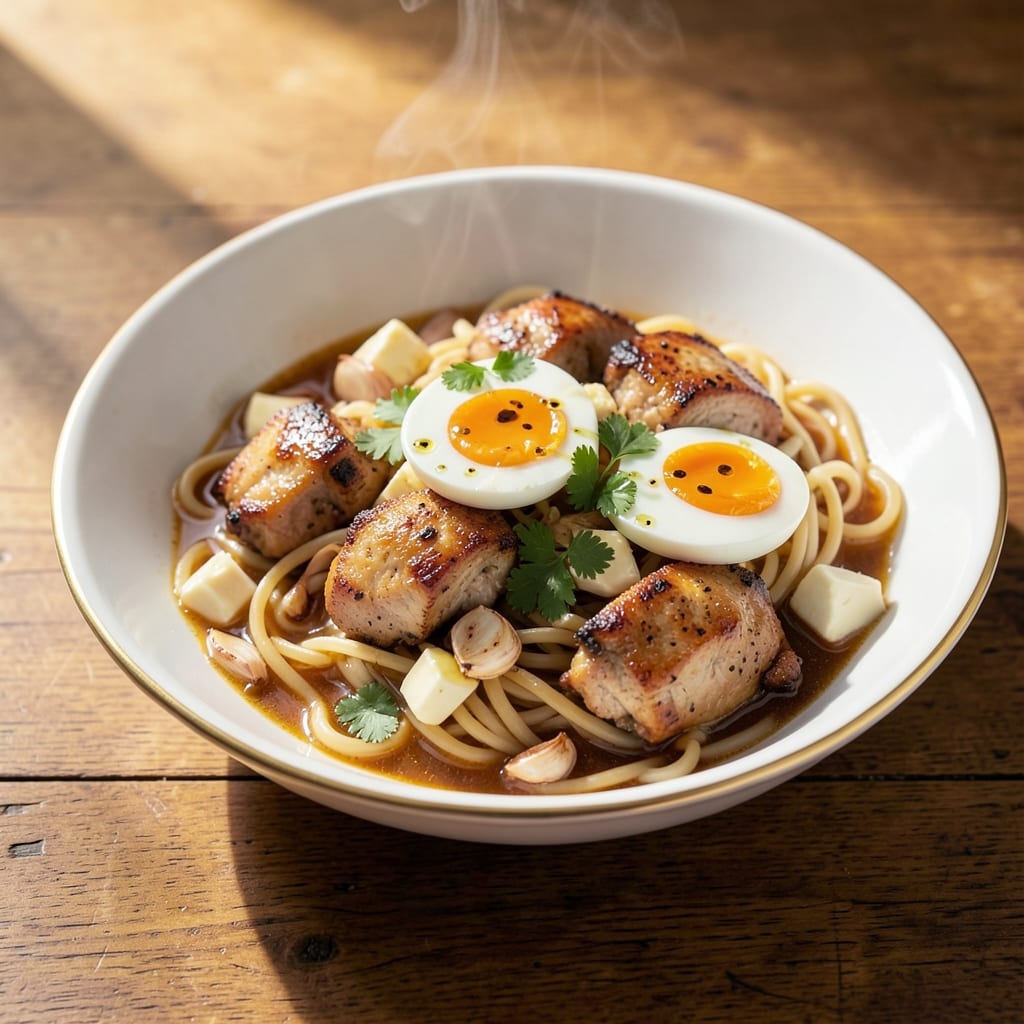
This chicken dumplings recipe with frozen egg noodles transforms a simple pantry staple into a restaurant-worthy one-pan meal in just 30 minutes. The secret lies in poaching tender chicken thighs until fork-tender, then nestling them into a bed of perfectly cooked egg noodles with a silky, golden egg river that binds everything together. I developed this recipe after realizing most dumpling dishes either require fresh pasta or complicated prep—this version cuts through both while delivering the same comforting, hearty satisfaction.
The beauty of using frozen egg noodles is their ability to absorb flavor without turning mushy, while the poached chicken stays impossibly tender thanks to a simple brine and slow cooking method. What makes this dish truly special is the egg river technique: whisking eggs with broth and letting them gently poach over the noodles creates a delicate, custard-like sauce that coats every bite. This isn't just a quick weeknight meal—it's a dish that feels like a home-cooked hug, perfect for chilly evenings when you crave something substantial yet effortless.
By the time you're done, you'll have a steaming pan of golden noodles cradling perfectly seasoned chicken, all blanketed in that luscious egg sauce. The combination of textures—tender chicken, chewy noodles, and velvety egg—makes this dish impossible to resist. The best part? Leftovers reheat beautifully, and you can easily customize it with vegetables or herbs to suit your taste. This is comfort food at its finest, with minimal effort and maximum reward.
Pair with a simple green salad or steamed bok choy to balance the richness, or serve straight from the pan for an even more satisfying meal. The technique is straightforward once you understand the key steps—poaching the chicken properly and letting the egg sauce set gently over the noodles. Let's get cooking!
Ingredients for chicken dumplings recipe with frozen egg noodles
Frozen noodles, tender chicken, and silky egg rivers—this one-pan meal needs just 13 ingredients.
| Ingredient | Amount | Notes |
|---|---|---|
| Boneless, Skinless Chicken Thighs 🍗 | 1 ½ lb | Cut into 1-inch pieces |
| Frozen Egg Noodles 🍜 | 12 oz | Wide or egg-shaped preferred |
| Large Eggs 🥚 | 4 whole | Room temperature for best whisking |
| Chicken Broth 💧 | 1 ½ cups | Low-sodium preferred |
| Unsalted Butter 🧈 | 4 tbsp | Cold, cubed for poaching |
| Garlic Cloves 🧄 | 4 cloves | Minced, for chicken brine |
| Fresh Ginger 🌿 | 1 tbsp | Finely grated, for aroma |
| Soy Sauce 🍶 | 1 tbsp | For chicken marinade |
| Vegetable Oil 🫒 | 2 tbsp | For pan searing |
| Diamond Crystal Kosher Salt 🧂 | 1 ½ tsp | For brine and seasoning |
| Ground Black Pepper 🌶️ | ½ tsp | Freshly ground preferred |
| Green Onions 🧅 | 2 whole | Sliced, for garnish |
| Sesame Oil 🫒 | 1 tsp | For finishing drizzle |
The chicken thighs are non-negotiable here—they stay juicier than breasts during poaching. Look for bone-in, skin-on thighs at Whole Foods or your local butcher if you want extra flavor, but boneless works too. The frozen egg noodles? Any brand is fine, but the wider ones hold up better to the egg river. I always grab the Trader Joe's ones because they're cheap and reliable. Skip the pre-cooked noodles—freshly cooked ones absorb the egg sauce better. For the eggs, room temperature is key—they'll whisk smoother and create a silkier sauce.
No soy sauce? Substitute with 1 tbsp fish sauce plus 1 tsp sugar—it's the same umami punch. Fresh ginger too strong? Ground ginger at half the amount works in a pinch. The broth can be homemade or store-bought—just make sure it's low-sodium. If you're feeling fancy, add 1 tbsp of rice wine or dry sherry to the egg mixture for depth. The butter matters for poaching—cold cubes melt slowly and create a luxurious foam. And if you're out of sesame oil, toasted sesame seeds sprinkled on top give the same nutty crunch.
Keep the chicken pieces in the fridge until ready to poach—2 days max. The egg mixture can be prepped ahead and stored in the fridge for 1 day, just whisk again before using. This dish reheats beautifully—5 minutes in a skillet with a splash of broth brings it back to life. I always make double batches because leftovers taste even better the next day. Store in an airtight container with parchment paper between layers to keep the noodles from sticking.
Why You'll Love This Recipe
- No Pantry Stress: I keep a box of frozen egg noodles in my freezer just for this—no chopping, no soaking, no stress. Toss them straight from the freezer into simmering broth, and they soften while the chicken cooks, turning the whole thing into a one-pan wonder.
- Buttery Dumpling Magic: The secret’s in the butter—slathered over the poached eggs and swirled into the broth at the end. That golden richness clings to every noodle and dumpling, making it taste like a restaurant dish, not a weeknight shortcut.
- Leftovers That Beg for More: This recipe doubles effortlessly, and the leftovers? Even better the next day. The noodles soak up extra flavor, the dumplings firm up just right, and I find myself reheating it for lunch because it’s that good—no sad, soggy takeout here.
- Budget-Friendly Feast: Chicken thighs stretch further than breasts, frozen noodles cost pennies, and eggs add protein without breaking the bank. I feed my family four hearty servings for under $10, and honestly? That’s a win I’ll take every time.
Step-by-step instructions for chicken dumplings with frozen egg noodles
Here's how to build this cozy one-pan wonder with tender chicken, silky egg rivers, and chewy noodles.
Poach the Chicken in Flavorful Broth
In a large skillet or pot, melt 2 tablespoons of the unsalted butter over medium heat. Add the 1.5 lb boneless, skinless chicken thighs cut into 1-inch pieces, cooking for 3-4 minutes until lightly browned. Remove the chicken and set aside.
In the same skillet, add the remaining 2 tablespoons unsalted butter and the 1.5 cups chicken broth. Bring to a gentle simmer, then return the chicken to the skillet. Add the 1 tablespoon soy sauce, 1 tablespoon fresh ginger, and 4 cloves minced garlic. Simmer for 8-10 minutes until the chicken is cooked through and the broth has reduced slightly. You'll know it's ready when the chicken easily pulls apart with a fork and the liquid has a rich, aromatic depth.
Prepare the Egg Mixture for Silky Rivers
While the chicken poaches, whisk together the 4 whole large eggs in a bowl until they're completely smooth. Add 1 teaspoon sesame oil and ½ teaspoon ground black pepper, then whisk again until fully combined. This mixture will create those signature silky egg rivers that swirl through the noodles.
I like to let the eggs sit at room temperature for 5 minutes before adding them to the skillet. This ensures they'll blend smoothly with the hot broth and chicken. Keep the skillet with the chicken mixture over low heat during this time to maintain warmth.
Cook the Noodles and Assemble
Add the 12 oz frozen egg noodles to the skillet with the chicken and broth. Stir gently to combine, then pour the egg mixture over everything. The heat will immediately start cooking the eggs, creating those beautiful ribbons as they swirl through the noodles.
Cook for 3-4 minutes on low heat, stirring gently with a silicone spatula to distribute the eggs evenly. You're aiming for noodles that are tender but still have a slight bite, with the eggs forming delicate strands throughout. If the mixture looks too thick, add 1-2 tablespoons of water to loosen it. The perfect consistency should coat the back of a spoon but still be light enough to let the noodles shine.
Finish with Garlic Butter and Fresh Herbs
Remove the skillet from heat and stir in the 2 tablespoons vegetable oil and the remaining 1 teaspoon sesame oil. This adds richness and helps distribute the flavors evenly. Taste and adjust seasoning with the remaining 1 teaspoon diamond crystal kosher salt if needed.
Garnish with 2 whole green onions, sliced thinly. The bright green color contrasts beautifully with the golden noodles and tender chicken. Serve immediately while the egg rivers are still silky and the noodles maintain their chewy texture. This dish tastes even better the next day, but the egg rivers will be slightly firmer—best enjoyed fresh from the pan.
Pro Tips For Making Chicken Dumplings Recipe With Frozen Egg Noodles
- Trim Chicken Thighs First: I learned this the hard way—cooking raw chicken thighs straight from the package means uneven cooking and wasted time. Trim off any visible fat or silver skin before slicing, and your dumplings will cook faster and absorb the broth better. (Yes, even if you're impatient like me.)
- Thaw Noodles Partially: Frozen egg noodles straight from the freezer will turn to mush if you dump them in boiling broth. Run them under cold water for 30 seconds to soften the edges, then add them to simmering liquid—this keeps their shape while they cook through. (Your future self will thank you.)
- Shred Chicken Early: Pull the chicken off the bone as soon as it hits 165°F, not when it’s fully cooked. Overcooking dries it out, and you’ll end up with tough, stringy shreds that don’t hold up in the dumplings. Use two forks for clean shreds—no one wants to chew on a mystery.
- Butter the Broth: Skip the plain chicken broth and toss in a pat of unsalted butter while the noodles simmer. It coats everything in a silky richness that frozen egg noodles desperately need—no one expects gourmet from a budget pantry staple, but this makes it taste like it.
Serving suggestions for chicken dumplings recipe with frozen egg noodles
Broth-Based Pairings
Serve these dumplings in a steaming hot bowl with an extra ladle of the poached chicken broth for dipping. The rich, savory broth cuts through the egg rivers beautifully and adds another layer of flavor. For extra depth, I like to drizzle 1 teaspoon toasted sesame oil over the broth before serving. 💧
Crispy Vegetable Sides
Balance the creamy noodles with a crunchy stir-fry like garlic green beans or sesame broccoli. Toss 1 lb green beans with 1 tbsp vegetable oil, 2 minced garlic cloves, and ½ tsp red pepper flakes, then stir-fry for 4-5 minutes until crisp-tender. The contrast of textures makes every bite more satisfying.
Pickled Vegetable Brightness
A quick quick-pickled cucumber adds refreshing acidity to cut through the richness. Thinly slice 1 Persian cucumber and toss with ¼ cup rice vinegar, 1 tsp sugar, and ½ tsp salt. Let sit for 15 minutes before serving. The bright, tangy crunch elevates the dish instantly. 🥒
Simple Garnishes
Fresh cilantro or Thai basil adds a bright herbal note that pairs perfectly with the egg rivers. Chop ¼ cup and sprinkle over the top just before serving. For a nutty finish, toast 1 tbsp sesame seeds in a dry pan for 1 minute until golden, then sprinkle on top. These garnishes take the dish from homey to restaurant-worthy.
Warm Bread Pairing
Serve with garlic naan or steamed bao buns for scooping up noodles and egg sauce. Brush warm naan with garlic butter and toast in a skillet for 30 seconds per side. The soft bread soaks up the rich flavors while adding a comforting, handheld element to the meal. Perfect for sharing!
Spicy Mayo Dip
Mix ¼ cup mayonnaise with 1 tsp sriracha, 1 tsp lime juice, and 1 minced garlic clove for a creamy, spicy dip. This adds a cool contrast to the warm noodles and enhances the umami flavors. Store-bought Sriracha works perfectly, but I love using Penzeys brand for extra heat. 🌶️
Nutrition facts
Frequently asked questions
Can I use chicken breast instead of thighs for this recipe?
Chicken thighs are ideal because they stay juicier during poaching, but you can use boneless, skinless breasts if needed. Cut them into ½-inch pieces and reduce the cooking time to 6-8 minutes to prevent drying out.
What if my frozen egg noodles don't cook evenly?
If some noodles are undercooked, stir in 2-3 tablespoons of hot broth and cook for another 1-2 minutes on low heat. Overcooked noodles? Add a splash of cold water to loosen the sauce. The key is low heat—high heat makes noodles mushy.
How do I make this vegetarian?
Swap the chicken for 12 oz extra-firm tofu (pressed and cubed) or 1 lb shiitake mushrooms. Sauté the tofu in 1 tbsp oil until golden, then proceed with the same poaching method using vegetable broth instead. The egg rivers still work perfectly!
Why did my egg rivers turn out lumpy instead of silky?
Lumpy eggs usually mean the heat was too high when adding them. Keep the skillet on low heat and whisk the eggs vigorously before pouring. For extra silkiness, whisk the eggs with 1 tbsp cold water first. The ideal temp is when the noodles are hot but not boiling.
Can I make this ahead of time?
Yes! Assemble everything except the egg rivers, then refrigerate for up to 1 day. When ready to serve, reheat gently on low heat and stir in the egg mixture at the end. For leftovers, store in an airtight container with parchment between layers to prevent sticking.