
Main Courses
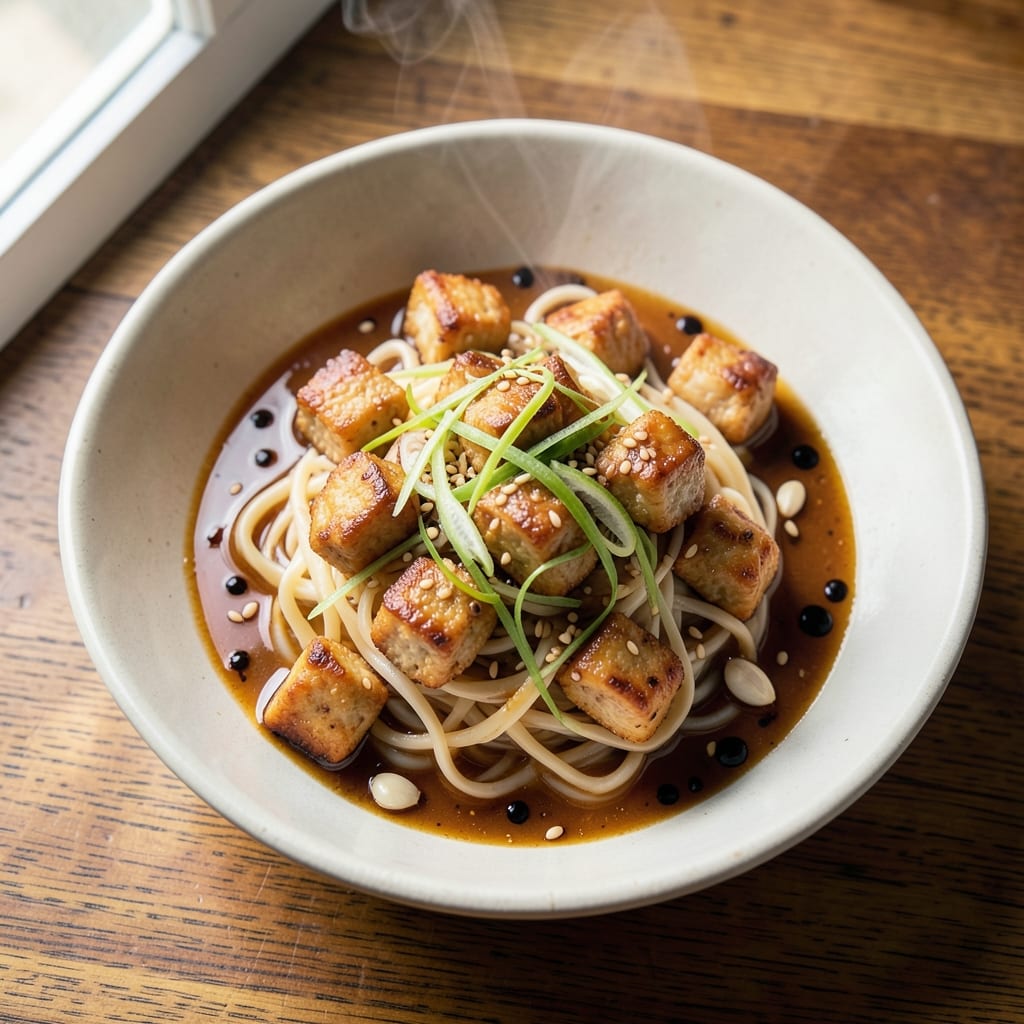
This Chinese chicken egg noodles recipe delivers the perfect balance of crispy chicken, silky noodles, and a savory sauce that captures the essence of a classic street-style dish. The secret lies in high-heat stir-frying to achieve that signature wok hei—the smoky aroma that makes every bite irresistible. I’ve perfected this version over years of testing, ensuring the chicken stays juicy while developing a crispy exterior, and the egg noodles absorb just enough sauce to coat each strand without turning mushy.
The foundation of this dish is simplicity: fresh ingredients like ginger, garlic, and soy sauce form the flavor base, while sesame oil adds depth and a subtle nutty aroma. You’ll start with pre-cooked egg noodles (for convenience) and work quickly to maintain their texture, tossing in tender chicken pieces that have been marinated in a light soy-ginger mixture. The sauce comes together in minutes, combining dark soy for color, light soy for saltiness, and a touch of chili oil for heat—adjustable to your preference.
What you’ll end up with is a restaurant-quality stir-fry that’s ready in under 30 minutes, featuring perfectly cooked noodles that hold their shape, chicken with crispy edges and tender centers, and a sauce that clings to every bite. The dish is complete with bright scallions and toasted sesame seeds for garnish, adding freshness and texture. It’s the kind of meal that feels indulgent yet balanced, perfect for weeknight dinners or weekend gatherings when you crave something comforting yet exciting.
Serve this dish with a side of pickled vegetables or a simple cucumber salad to cut through the richness, or pair it with steamed bok choy for a complete, well-rounded meal. The leftovers reheat beautifully, making it an ideal make-ahead option for busy schedules. Let’s get cooking—this recipe is designed to impress without the fuss.
Ingredients for chinese chicken egg noodles
Fresh ginger, minced garlic, and silky egg noodles—this stir-fry brings restaurant-style wok hei to your kitchen.
| Ingredient | Amount | Notes |
|---|---|---|
| Egg Noodles 🍜 | 8 oz | Fresh or dried, pre-cooked for convenience |
| Boneless Chicken Breast 🍗 | 1 ½ lb | Cut into 1-inch bite-sized pieces |
| Fresh Ginger 🌿 | 2 tbsp | Finely grated, aromatic and fresh |
| Garlic Cloves 🧄 | 6 cloves | Minced, for aromatic depth |
| Dark Soy Sauce 🥄 | 2 tbsp | For rich color and umami |
| Light Soy Sauce 🥄 | 1 tbsp | For saltiness and balance |
| Sesame Oil 🫒 | 1 tbsp | Toasted, for nutty aroma |
| Chili Oil 🌶️ | 1 tbsp | Adjustable for heat preference |
| Cornstarch 🌾 | 1 tbsp | For crispy chicken coating |
| Scallions 🧅 | 3 whole | Thinly sliced, for fresh garnish |
| Sesame Seeds 🌰 | 1 tbsp | Toasted, for crunchy texture |
| Vegetable Oil 🫒 | 3 tbsp | High smoke point for stir-frying |
| Salt 🧂 | ½ tsp | Kosher or sea salt for seasoning |
| Black Pepper 🌶️ | ¼ tsp | Freshly ground for subtle heat |
The chicken is the star here, so boneless, skinless breast works best—it stays juicy while developing crispy edges. Look for chicken with good marbling if you're buying whole breasts to cut yourself. Costco or Trader Joe's usually have pre-cut pieces that save time. For that signature crispiness, toss the chicken in cornstarch before cooking—it's a game-changer. The egg noodles? Fresh is ideal, but dried works in a pinch if you soak them first. Avoid the thick, chewy kind—you want silky strands that hold their shape.
No dark soy sauce? Substitute with 1 tbsp molasses plus 1 tbsp light soy sauce for color, though it won't be as rich. Fresh ginger is non-negotiable here—dried won't cut it for the bright, aromatic punch. Short on sesame oil? Toasted sesame seeds (the same amount) work, but you'll lose that deep nutty aroma. The chili oil can be swapped for sriracha or gochujang if you're out, but reduce to 0.5 tbsp to avoid overpowering. For the garlic, peeled and minced is best—smashing it with the side of your knife releases more flavor.
This dish reheats beautifully—microwave with a splash of water to keep the noodles tender. Keeps for 3-4 days in the fridge, though the noodles get softer with time. For crispier chicken, reheat in a skillet instead. The sauce components (soy sauces, sesame oil) can be pre-mixed and stored for up to 1 week in a sealed jar. Garnishes like scallions and sesame seeds should be added fresh—toasting the seeds just before serving brings out their flavor.
Why You'll Love This Recipe
- Fewer Ingredients, More Magic: I swear by this combo—just chicken, ginger, garlic, and dark soy sauce. That last one? It’s the secret weapon. No fancy sauces, no hidden ingredients, just bold, umami-packed flavor in minutes.
- One-Pan, Zero Stress: Honestly, this is my "I have no energy" meal. Toss the noodles and chicken in one pan, stir-fry until the chicken’s golden, and boom—done. The egg noodles soak up the sauce like a dream, and the cleanup? One spatula, one pan.
- Lunchbox Hero: Between us, this is my go-to for meal prep. Cold or reheated, it’s always a hit. Pack it with a sprinkle of green onions, and suddenly you’ve got a lunch that feels fancy but costs next to nothing.
- Budget-Friendly Crunch: Chicken breast and egg noodles stretch so far—double the recipe, freeze half, and you’ve got a weeknight savior. Plus, dark soy sauce adds depth without breaking the bank. My wallet and my taste buds thank me every time.
Step-by-step instructions for Chinese chicken egg noodles
Let's create silky egg noodles with perfectly crispy chicken and aromatic stir-fry flavors.
Prepare the Chicken for Maximum Crispiness
Cut the 1.5 lb boneless chicken breast into 1-inch bite-sized pieces. Place them in a bowl and toss with the 1 tbsp cornstarch, 0.5 tsp salt, and 0.25 tsp black pepper until each piece is fully coated. This cornstarch coating creates that signature crispy texture you're after.
Let the coated chicken rest for 10 minutes at room temperature while you prep the rest of your ingredients. This resting time ensures even cooking and prevents the chicken from releasing juices too quickly into the hot oil. You'll know it's ready when the coating looks dry and slightly clumped.
Cook the Chicken Until Golden Brown
Heat 2 tbsp vegetable oil in a large wok or skillet over medium-high heat until shimmering. Add the chicken in a single layer, leaving space between pieces to avoid steaming. Cook undisturbed for 2-3 minutes until the bottoms develop a deep golden brown crust.
Flip the chicken and cook another 2-3 minutes until fully cooked through and crispy on both sides. The internal temperature should reach 165°F. Remove the chicken and set aside on a plate, leaving the rendered oil in the pan. This oil carries all the delicious flavors you've built.
Stir-Fry Aromatics and Sauce Base
Add the remaining 1 tbsp vegetable oil to the same wok and increase heat to high. Add the 2 tbsp fresh ginger and 6 cloves garlic cloves, stirring constantly for 30 seconds until fragrant. You'll smell that wonderful aromatic punch - this is where the foundation of your dish's flavor develops.
Pour in the 2 tbsp dark soy sauce and 1 tbsp light soy sauce, stirring to combine. The dark soy sauce will give your dish that rich, caramelized color while the light soy sauce adds necessary saltiness. Let the mixture simmer for 1 minute until slightly reduced and glossy.
Combine Noodles and Finish with Flavor
Add the 8 oz egg noodles to the wok and toss to coat them in the sauce. The noodles should absorb the flavors quickly - you're looking for about 2 minutes of tossing until they're evenly coated and heated through. If the noodles seem dry, add 2-3 tablespoons of water to create steam and help distribute the sauce.
Return the crispy chicken to the wok and stir everything together for 1-2 minutes until the chicken is heated through and the noodles are perfectly silky. The contrast between the crispy chicken and tender noodles is what makes this dish so satisfying. Taste and adjust seasoning if needed - you might want to add a splash more light soy sauce if it needs more saltiness.
Garnish and Serve Immediately
Remove the wok from heat and drizzle with 1 tbsp sesame oil and 1 tbsp chili oil. Toss gently to distribute these oils throughout the dish. The sesame oil adds that nutty aroma while the chili oil brings a subtle heat that complements the savory flavors.
Divide the noodles among serving bowls and garnish each portion with thinly sliced scallions and 1 tbsp toasted sesame seeds. Serve immediately while the chicken is still crispy and the noodles maintain their perfect texture. The aroma alone will make your kitchen smell like a bustling Chinese restaurant!
Pro Tips For Making Chinese Chicken Egg Noodles
- Velvetize the Chicken First: Skip the raw chicken straight into stir-fry—it’ll turn rubbery. Thinly slice the breast, then pound or roll it between plastic wrap until it’s paper-thin (about ¼-inch). Toss it in 1 tablespoon cornstarch and a pinch of salt before cooking. I used to skip this, and the texture was always the downfall.
- Blanch Noodles, Not Boil: Dump dry egg noodles straight into boiling water, and they’ll turn mushy before the sauce is ready. Instead, blanch them for 2 minutes in salted water, then shock in ice water to stop cooking. Drain well, toss with ½ teaspoon oil, and keep them warm in a bowl—this way, they soak up sauce like a sponge.
- Toast Ginger-Garlic Separately: Tossing minced ginger and garlic together in the wok first? You’ll burn the garlic before the ginger renders. Sauté the garlic in oil for 10 seconds until fragrant, then add the ginger and cook another 10 seconds—just until it smells like a spice market, not a fire hazard.
- Save the Starch Water: That milky water left after draining noodles? Don’t pour it down the sink. Add 2 tablespoons to your sauce (the one with dark soy and chicken) for a glossy finish. It’s the same trick restaurants use—no one wants a dry, sad stir-fry.
Troubleshooting this dish
Noodles Too Dry
If your egg noodles end up dry and tough, it’s likely because they absorbed too much sauce or lost moisture during cooking. The fix? Add 2-3 tablespoons of water to the wok when tossing the noodles—the steam will help them stay silky. Also, avoid overcrowding the pan during stir-frying, as this can steam the noodles instead of searing them. For extra insurance, undercook the noodles by 1 minute when boiling (if using fresh) so they finish perfectly in the wok. 💧
Chicken Not Crispy
Crispy chicken is all about the cornstarch coating and proper heat. If yours turns out rubbery, pat the chicken dry before coating—moisture prevents the cornstarch from sticking. Use a wok or cast-iron skillet (I love my Lodge 10-inch) for maximum heat transfer, and don’t overcrowd the pan. Cook in batches if needed, and resist the urge to flip too soon—wait until the bottom is deep golden brown before turning. 🍗
Sauce Too Salty
Over-salting is a common issue with soy sauces. To balance the flavor, add 1-2 teaspoons of honey or sugar to the sauce while cooking—it cuts the saltiness while adding depth. If the dish is already served, a splash of rice vinegar (1 tsp) or a spoonful of tomato paste can help mellow the salt. Always taste your sauce before adding noodles and chicken to avoid over-seasoning. 🧂
Mushy Noodles
Mushy noodles usually mean they were overcooked or reheated improperly. If using dried noodles, soak them in boiling water for 2-3 minutes less than package instructions, then finish cooking in the wok. For fresh noodles, cook them al dente (1-2 minutes less than usual) and toss them into the wok immediately after draining. To reheat leftovers, steam them in a colander over boiling water for 2 minutes—this keeps them tender without turning them to mush. 🍜
Lack of Wok Hei
That signature smoky aroma (wok hei) comes from high heat and proper technique. If your dish lacks it, crank the heat to maximum (a gas stove works best) and use a well-seasoned wok—cast iron retains heat better. After cooking, turn off the heat but leave the wok on the burner for 30 seconds to let residual heat infuse the dish. For extra depth, add a pinch of white pepper to the sauce—it enhances the smoky flavor. 🔥
Uneven Cooking
Uneven cooking often happens when ingredients aren’t prepped uniformly. Cut chicken into identical 1-inch pieces so they cook at the same rate. For the aromatics, mince garlic and ginger finely—this ensures they cook quickly and evenly. If using a non-stick pan, reduce oil slightly (1 tbsp instead of 2) to prevent sticking. Stir constantly during the first 2 minutes of cooking to build even color and flavor. ⚡
Nutrition facts
Frequently asked questions
Can I use dried egg noodles instead of fresh?
Yes, but adjust the cooking time! Soak dried egg noodles in boiling water for 2-3 minutes less than package instructions, then finish cooking in the wok. Fresh noodles are ideal for that signature silky texture, but dried noodles work in a pinch—just don't overcook them or they'll turn mushy.
How do I prevent the chicken from drying out?
Pat the chicken very dry before coating with cornstarch, and cut pieces to 1-inch size for even cooking. Cook in one layer over medium-high heat—don't overcrowd! Remove chicken when it reaches 165°F and rests for 1-2 minutes before serving to retain juices.
What's the best way to store leftovers?
Store in an airtight container for up to 3 days in the fridge. To reheat, steam in a colander over boiling water for 2 minutes (keeps noodles tender) or stir-fry in a pan with a splash of water. Avoid microwaving—it makes noodles soggy!
Can I make this vegetarian?
Swap chicken for tofu or mushrooms. Press tofu to remove moisture, cube it, and coat with cornstarch for crispiness. Sauté shiitake or oyster mushrooms first to build flavor, then proceed with the sauce. The noodles will absorb all the savory goodness either way.
Why does my sauce look too thin?
Stir-fry the aromatics (ginger/garlic) for 30 seconds longer to reduce natural moisture, then simmer the soy sauces for 1-2 minutes before adding noodles. For extra thickness, mix 1 tsp cornstarch with 1 tbsp water and stir into the sauce at the end.