
Main Courses
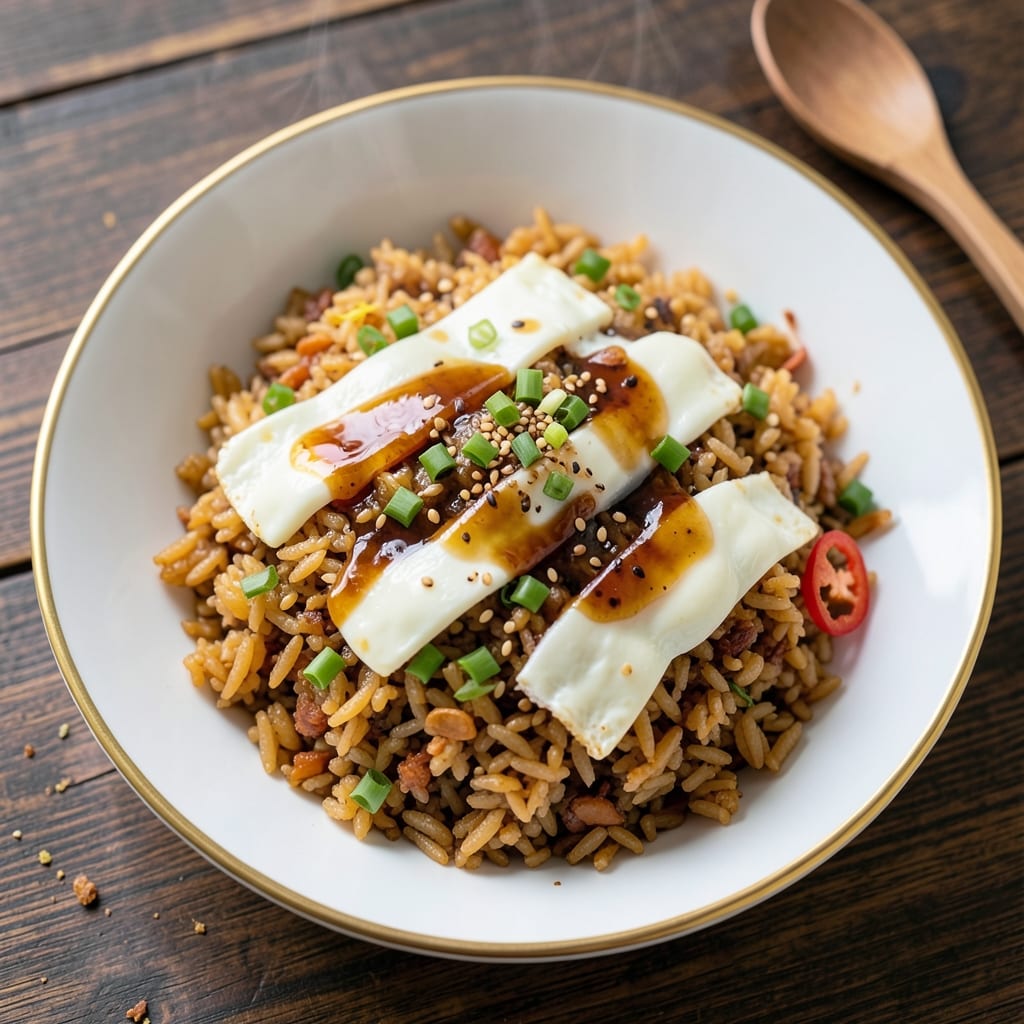
This restaurant-style Chinese egg fried rice delivers the same smoky, aromatic flavors you crave from your favorite takeout spot—right in your kitchen. The secret lies in high-heat wok technique and perfectly balanced seasoning, transforming simple ingredients into a dish that's crispy, savory, and packed with wok hei (that signature smoky breath). I've perfected this recipe after countless attempts to recreate my favorite dim sum breakfast, and the difference between homemade and restaurant-quality is shockingly simple: technique and fresh ingredients.
What sets this recipe apart is the attention to detail—using day-old jasmine rice for ideal texture, high-heat wok cooking to create crispy edges, and a precise blend of soy sauce, oyster sauce, and sesame oil for that authentic umami depth. The eggs are scrambled just until set but still tender, while scallions add freshness that cuts through the richness. Optional proteins like shrimp or chicken can be added, but the classic version keeps it simple with just eggs and vegetables.
By the time you're done, you'll have a dish that's crispy on the outside, tender on the inside, and bursting with aromatic flavors. The wok hei technique creates that signature smoky aroma, while the balance of salty, sweet, and umami in the seasoning makes every bite satisfying. This is the kind of recipe that turns a simple weeknight dinner into a restaurant-worthy experience without the takeout price tag.
The best part? This recipe is endlessly adaptable—add peas and carrots for a more modern take, stir in chili oil for heat, or keep it classic with just scallions and soy sauce. Whether you're feeding a crowd or treating yourself to a comforting meal, this egg fried rice delivers restaurant-quality results every time. Let's get cooking!
Ingredients for chinese egg fried rice recipe restaurant style
Four cups of day-old rice and a handful of fresh ingredients. That's all it takes for restaurant-style egg fried rice.
| Ingredient | Amount | Notes |
|---|---|---|
| Day-Old Jasmine Rice 🍚 | 4 cups | Cold, broken into pieces |
| Large Eggs 🥚 | 4 whole | Fresh, room temperature |
| Scallions 🧅 | ½ cup | Thinly sliced, white and green parts |
| Light Soy Sauce 🥢 | 2 tbsp | Kikkoman preferred |
| Oyster Sauce 🍶 | 1 tbsp | Lee Kum Kee brand |
| Sesame Oil 🫒 | 1 tbsp | Toasted, not flavored |
| Vegetable Oil 🫒 | 3 tbsp | High smoke point |
| Garlic Cloves 🧄 | 3 cloves | Minced, fresh |
| Fresh Ginger 🌿 | 1 tbsp | Grated, finely |
| Salt 🧂 | ½ tsp | Kosher or sea salt |
| White Pepper 🌶️ | ¼ tsp | Freshly ground |
| Sesame Seeds 🌾 | 1 tsp | Toasted, for garnish |
| Peas 🌱 | ½ cup | Frozen, thawed (optional) |
| Carrots 🥕 | ½ cup | Diced, small pieces (optional) |
The rice is everything. Day-old jasmine rice (not freshly cooked) gives you that perfect chewy texture—fresh rice turns mushy. Break it up with your hands before cooking, or pulse it quickly in a food processor if you're impatient. Trader Joe's sells pre-cooked jasmine rice that works great for this. For the eggs, room temperature scrambles better—crack them into a bowl first. The scallions? White parts only for the base, save the greens for garnish at the end. And if you're adding peas and carrots, frozen works just fine—no need for fresh.
No oyster sauce? Soy sauce plus a splash of fish sauce gets you close (use half the amount of fish sauce). Swap toasted sesame oil for regular if that's all you've got, but toasted is worth it—it adds real depth. The garlic and ginger? Fresh is non-negotiable here—jarred minced garlic tastes like nothing. Short on time? Pre-minced garlic from the store is better than skipping it, but fresh tastes like heaven. For the soy sauce, Kikkoman light soy is the gold standard, but any good-quality light soy will do. And if you're adding optional proteins, chicken or shrimp should be cooked ahead and added at the end.
This dish tastes even better the next day—make extra for lunches. Store leftovers in an airtight container for 4-5 days in the fridge. For freezing, portion into containers with a thin layer of oil on top to prevent drying. Reheats beautifully—microwave with a splash of water or crisp it up in a wok again. The sesame seeds? Toast them in a dry pan first for extra flavor, then sprinkle on top at the end. Garnish with extra scallions too—fresh herbs make all the difference.
Why You'll Love This Recipe
- One-Pan Magic: I swear by this—no chopping boards, no extra pots. Just one wok or skillet, high heat, and boom, that day-old rice gets crispy on the edges while the eggs scramble into perfect ribbons. Honestly, the mess cleanup is half the time of my usual fried rice attempts.
- Umami Bomb: That first hit of oyster sauce and light soy? Chef’s kiss. The eggs stay tender but silky, and the scallions add this bright, fresh cut that balances the rich, salty depth. It’s the kind of flavor that makes you reach for seconds without even thinking.
- Lunchbox Hero: Between us, this is my go-to for packed lunches—no reheat blues. The rice stays separate, the eggs hold their shape, and it’s hearty enough to fill a thermos. My coworker even asked for the recipe after I brought it in three days in a row.
- Pocket-Friendly Power: Three eggs, a handful of rice, a splash of sauce—that’s it. I feed four people for under $5, and the leftovers? Just as good cold the next day. Not the prettiest, but the taste makes up for it every time.
Step-by-step instructions for restaurant-style egg fried rice
Here's how to nail that perfect wok-heated texture and silky scrambled eggs every time.
Prep the Rice and Scramble the Eggs
Break the 4 cups of day-old jasmine rice into small, uneven pieces by hand—this prevents clumping later. Spread it on a tray and let it sit for 5 minutes so any excess moisture evaporates. Meanwhile, beat the 4 whole large eggs in a bowl with a fork until just combined, but don't overmix or you'll get tough scrambled eggs.
Heat 1 tablespoon of vegetable oil in a wok or large skillet over medium-high heat. Pour in the eggs and let them sit undisturbed for 10 seconds before gently pushing them around with a spatula. You want soft, custardy curds—not dry or rubbery. Once mostly set but still slightly runny, remove the eggs and set aside. Don't worry if they look imperfect; they'll blend perfectly with the rice later.
Stir-Fry the Aromatics and Vegetables
Add the remaining 2 tablespoons of vegetable oil to the same wok and heat until shimmering. Toss in the 3 cloves minced garlic and 1 tablespoon finely grated ginger, cooking for 20 seconds until fragrant but not browned. Add the 0.5 cup diced carrots and 0.5 cup peas, stir-frying for 1 minute until the carrots soften slightly but still have a bite.
Here's the thing—don't overcrowd the pan. If your wok is too full, the vegetables will steam instead of sear. Work in batches if needed, but keep the heat high to maintain that restaurant-style wok hei (breath of the wok) flavor. Toss in the 0.5 cup thinly sliced scallions and cook for another 30 seconds until bright green and wilted.
Combine Everything and Season
Push the vegetables to one side of the wok and add the broken-up rice. Stir-fry for 1 minute to heat through, then pour in 2 tablespoons light soy sauce and 1 tablespoon oyster sauce. Mix well to coat the rice evenly—this is where all the flavors come together. If the rice seems dry, add 1-2 tablespoons of water and stir until absorbed.
Return the scrambled eggs to the wok and fold everything together gently. The eggs should melt into the rice, creating that signature creamy texture. Sprinkle in the 0.5 teaspoon salt and 0.25 teaspoon white pepper, then drizzle with 1 tablespoon sesame oil. Taste and adjust seasoning—you want it balanced between salty, umami, and slightly sweet.
Finish with Crispy Edges and Garnish
Increase the heat to high and stir-fry for another 30-60 seconds until the rice develops crispy edges and the aroma fills your kitchen. This final step is crucial—it mimics that smoky, caramelized flavor you get in restaurants. If the rice starts to stick, add a splash of water and keep moving it around the wok.
Remove from heat and immediately garnish with 1 teaspoon toasted sesame seeds. Serve while hot, straight from the wok, with extra scallions on the side if you're feeling fancy. The rice should be slightly sticky but not mushy, with pockets of crispy edges and that perfect blend of eggy creaminess throughout.
Pro Tips For Making Chinese Egg Fried Rice Recipe Restaurant Style
- STIR-FRY DRY RICE: Break up clumps with your spatula first—wet rice sticks together like glue. Spread it in a thin, even layer and let it sizzle for 30 seconds before adding anything else. This gets the rice properly toasted without burning, and you’ll taste the difference in that nutty, restaurant-style depth.
- SCRAMBLE EGGS FAST: Crack eggs into a separate bowl first, then scramble them in a cold nonstick pan on medium-low. Once just set (about 20 seconds), slide them onto a plate and set aside. Reheat the pan with a little oil, then toss the rice in—this keeps the eggs creamy and prevents them from turning rubbery when mixed in later.
- SALT THE RICE UPFRONT: Toss the cold day-old rice with ½ teaspoon of salt before cooking—yes, even if your soy sauce is salty. The rice absorbs it evenly, and you’ll need less soy sauce later. I learned this the hard way after making rice taste bland no matter how much sauce I added.
- SAVOR THE SCALLIONS: Chop scallions into ½-inch pieces and sear them first in the wok for 10 seconds before adding rice. The charred bits add a smoky punch that cuts through the richness of the eggs. Skip this, and you’re just garnishing—no flavor boost. (Pro move: Use the greens only for finishing.)
Serving suggestions for chinese egg fried rice recipe restaurant style
Classic Garnishes
Toasted sesame seeds are a must for that nutty crunch and aromatic finish. I like to toast them in a dry wok over medium heat for 1-2 minutes until golden, then sprinkle generously on top. Fresh scallion greens add a bright, crisp contrast—chop them into ½-inch pieces and scatter them around the plate. For extra flair, add a drizzle of chili oil (just ½ teaspoon) if you like a little heat. 🌟
Protein Additions
Keep it classic with just eggs, but if you want to elevate, add chicken or shrimp cooked ahead. For shrimp, sauté ½ pound peeled shrimp in 1 tbsp vegetable oil until pink (2-3 minutes), then fold into the rice at the end. Chicken works too—use 1 cup diced cooked chicken breast and stir it in with the vegetables. Just don’t overcook the protein or it’ll dry out. 🍤
Side Dish Pairings
A simple cucumber salad balances the richness—toss 1 cup sliced cucumber with 1 tbsp rice vinegar, ½ tsp sugar, and a pinch of salt. For something heartier, serve with steamed bok choy or hot and sour soup. I also love pairing it with egg rolls or spring rolls for a full dim sum experience. 🥗
Drink Recommendations
Jasmine tea is the classic choice—its floral notes complement the dish beautifully. For something more refreshing, try lychee soda or green tea lemonade. If you prefer alcohol, a crisp dry Riesling or light lager cuts through the richness without overpowering. Avoid heavy beers or sweet cocktails—they’ll clash with the savory flavors. 🍶
Plating Like a Pro
Use a wide, shallow plate to showcase the dish’s texture. Mound the fried rice in the center, then fan out the garnishes—scallions on one side, sesame seeds sprinkled on top. For extra restaurant flair, add a small side dish of pickled vegetables or a mini bowl of chili oil on the plate. Serve immediately while the rice is still crispy and aromatic. 🍽️
Nutrition facts
Frequently asked questions
Why does restaurant-style egg fried rice use day-old rice?
Day-old rice has just the right texture—slightly dry and clumpy—that becomes perfectly crispy when stir-fried. Fresh rice releases too much moisture, turning the dish mushy. The starches also develop slightly, helping the rice cling together while maintaining that signature chewy bite.
Can I make this recipe without a wok?
Use a large skillet or cast-iron pan with high sides. The key is maintaining high heat and stirring constantly to create those crispy edges. A carbon steel pan works best for replicating wok hei (smoky aroma), but any heavy-bottomed pan will do. Just keep the heat cranked up!
What's the secret to perfectly scrambled eggs in fried rice?
Scramble them just until set but still slightly runny—they'll finish cooking in the hot wok. Use room-temperature eggs for even cooking, and stir gently to create soft curds. The eggs should melt into the rice, creating that signature creamy texture without being dry or rubbery.
How do I adjust the seasoning for spicier or milder taste?
For milder flavor, reduce soy sauce to 1.5 tbsp and add ½ tsp sugar. For spicier, stir in ½ tsp chili oil or 1 tsp sriracha at the end. The classic balance comes from the combo of soy, oyster sauce, and sesame oil—taste as you go!
Can I meal prep this ahead of time?
Yes! Cook the rice and store in an airtight container for 4-5 days. Reheat in a wok or skillet with 1 tsp oil and a splash of water to restore crispiness. The flavors actually improve overnight—the soy and oyster sauces meld beautifully. Just add fresh scallions and sesame seeds when serving.