
Breakfast & Brunch
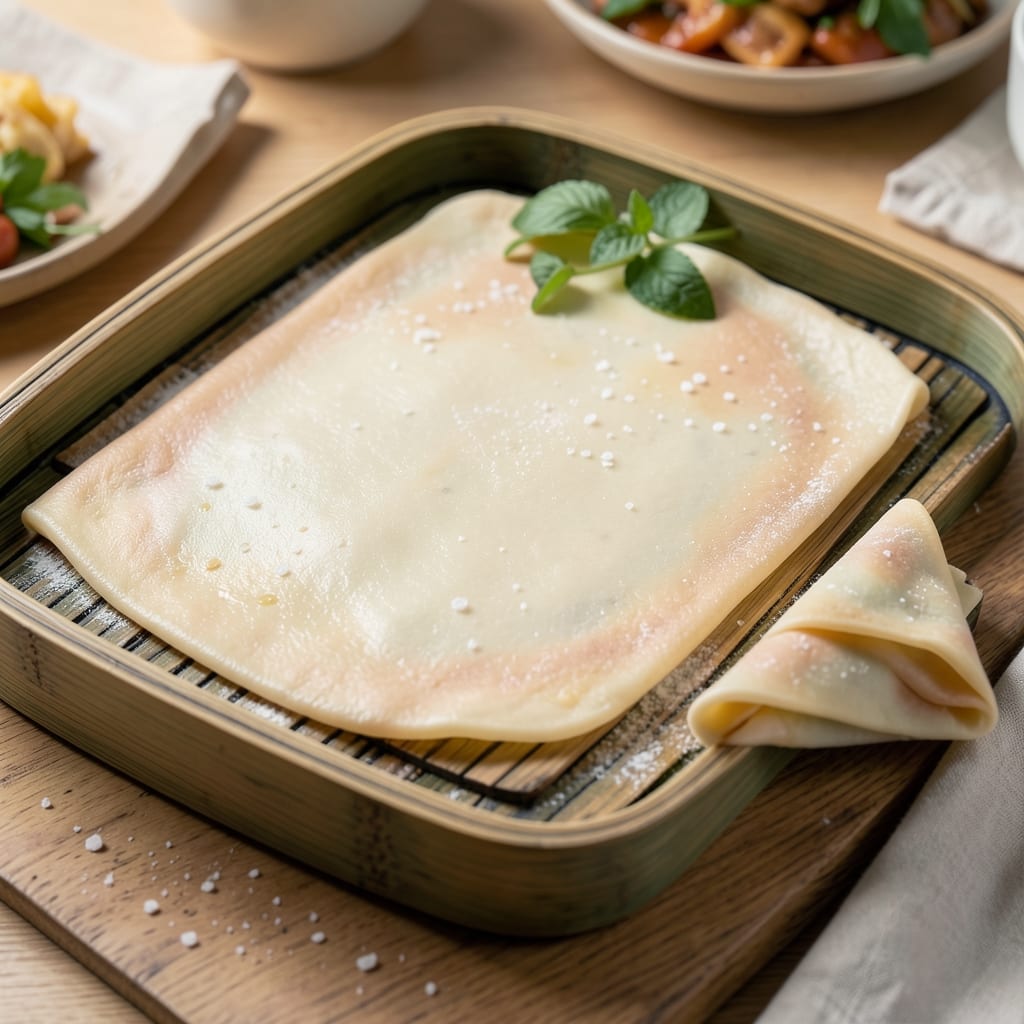
This Chinese egg roll dough recipe delivers the perfect balance of crispy edges and tender centers—just like your favorite takeout, but made from scratch. The secret lies in a precise blend of flour, water, and oil that creates a silky, workable dough capable of wrapping delicate fillings without tearing. I've tested this recipe countless times to ensure it's foolproof, whether you're making traditional spring rolls or modern wonton wraps.
The dough requires just five simple ingredients—all-purpose flour, water, vegetable oil, salt, and a touch of baking powder for structure. The key technique is kneading until smooth and resting the dough for 30 minutes, which relaxes the gluten and prevents cracking during rolling. This preparation transforms ordinary flour into a pliable, crispy canvas for your fillings.
What you'll achieve is a batch of egg roll dough that's sturdy enough to hold fillings without breaking, yet delicate enough to achieve that signature crispy texture when fried or baked. The dough's versatility makes it ideal for both classic egg rolls and creative variations like crispy wonton cups or even gluten-free adaptations.
Ready in under an hour, this recipe ensures you'll have perfectly formed wrappers that transform any filling into a restaurant-quality dish. Whether you're preparing a full egg roll feast or experimenting with new wrappers, this dough is your foundation for crispy, golden perfection.
Ingredients for chinese egg roll dough
Five simple ingredients transform into the perfect crispy egg roll dough wrapper.
| Ingredient | Amount | Notes |
|---|---|---|
| All-Purpose Flour 🌾 | 2 ½ cups | High-protein for chewy texture |
| Water 💧 | ¾ cup | Lukewarm for best mixing |
| Vegetable Oil 🫒 | 1 tbsp | Light neutral oil preferred |
| Salt 🧂 | ½ tsp | Fine sea salt for balance |
| Baking Powder 🍞 | ¼ tsp | Ensures light, crispy texture |
The flour is everything here. King Arthur or Gold Medal brands work best—they've got that extra protein for chewy, not gummy, dough. If you're in a pinch, Bob's Red Mill all-purpose will do, but the texture might be slightly less crispy. The oil? Vegetable or canola keeps things neutral. Too much oil makes the dough greasy; too little and it cracks. I always measure by weight (250g flour) for perfect consistency, but cups work fine if you're not into that. Just scoop and level—don't pack it down.
No baking powder? Skip it—but expect slightly denser wrappers. The salt can be omitted if you're sensitive, but trust me, it makes the dough sing. For gluten-free versions, swap the flour for a 1:1 gluten-free blend with xanthan gum (like Bob's Red Mill). The water should be lukewarm—cold water makes the dough tough. If your kitchen's hot, let it sit out for 10 minutes before mixing. And if your dough feels sticky? Add just a pinch more flour, but don't overdo it—we want pliable, not dry.
This dough keeps for 3 days in the fridge, wrapped tightly in plastic. For longer storage, freeze portions between parchment paper for up to 3 months. Thaw overnight in the fridge before using. Pro tip: Divide the dough into 8 equal balls before resting—saves time later. And if you're making wonton cups, roll it thinner than egg rolls. The secret to crispy edges? A hot, well-oiled pan and quick frying—don't overcrowd!
Why You'll Love This Recipe
- Four-Ingredient Magic: I swear by this dough—just flour, water, oil, and a pinch of salt. No eggs, no yeast, no fuss. My lazy Sundays now include homemade egg rolls because this mix comes together faster than takeout delivery.
- Crispy Without Guilt: That perfect golden crust? All thanks to the baking powder and a quick oil rub. It’s lighter than store-bought wrappers but still delivers that satisfying crunch—no deep-frying skills required.
- Weeknight Workhorse: Freeze half the dough for later—it thaws in minutes. Need a last-minute appetizer? Roll it out, stuff it, and fry it while your guests arrive. Honestly, I’ve used it for dumplings, spring rolls, and even crispy potstickers.
- Budget-Friendly Staple: A single batch costs pennies and stretches for days. The oil keeps it tender, the salt balances the fillings, and the baking powder ensures it rises just enough. My wallet and taste buds thank me every time.
Step-by-step instructions for Chinese egg roll dough
Here's how to make the perfect crispy egg roll dough that's light, tender, and just right for wrapping.
👨🍳 Step 1: Mix the Dough Ingredients
In a large mixing bowl, combine the 2.5 cups all-purpose flour, 0.5 tsp salt, and 0.25 tsp baking powder. Stir gently with a fork or whisk to break up any lumps in the flour. This ensures even distribution of the baking powder, which will help create that signature crispy texture.
Next, add the 1 tbsp vegetable oil and the 0.75 cup lukewarm water to the bowl. The water should be warm to the touch but not hot—just like a warm bath. Use your hands or a wooden spoon to mix the ingredients together until they begin to form a shaggy dough. Avoid overmixing at this stage, as too much handling can develop gluten and make the dough tough. You're looking for a sticky, slightly uneven mass that pulls away from the sides of the bowl.
🍳 Step 2: Knead Until Smooth and Elastic
Turn the dough out onto a lightly floured surface and begin kneading it with your hands. Sprinkle a little extra flour only if the dough feels too sticky to handle—remember, we want just enough moisture for that tender texture. Knead for about 5-7 minutes until the dough becomes smooth, elastic, and no longer sticks to your hands.
Here's the thing—this kneading step is crucial. It develops the gluten structure that gives the dough its strength and flexibility. You'll know it's ready when you can gently press your thumb into the dough and it springs back slowly, leaving a slight indentation. If the dough feels too soft or sticky, let it rest for 5 minutes while you cover it with a damp towel. This resting period helps the gluten relax and makes rolling it out much easier.
🥘 Step 3: Rest the Dough for Optimal Texture
Shape the dough into a round disc and place it back in the mixing bowl. Cover it tightly with plastic wrap or a damp kitchen towel, then let it rest at room temperature for at least 30 minutes. This resting period is where the magic happens—it allows the gluten to fully relax, making the dough more pliable and easier to roll out thinly.
I know it seems counterintuitive to wait, but trust me, this step makes all the difference. The dough will feel softer and more forgiving after resting, and it will roll out more evenly. If you're short on time, you can refrigerate the dough for up to 2 hours—just be sure to bring it back to room temperature before rolling. Cold dough is harder to work with and can crack when stretched.
🔪 Step 4: Roll Out the Dough for Perfect Wraps
After the dough has rested, divide it into 4 equal portions (about 1 cup each) for easy handling. Working with one portion at a time, place it between two sheets of parchment paper or plastic wrap. This prevents sticking and makes rolling much easier. Use a rolling pin to roll the dough out into a 6-inch circle, about 1/16-inch thick. Aim for even thickness—this ensures your egg rolls will cook uniformly and achieve that perfect crispy texture.
Here's a pro tip: If the dough starts to stick to the rolling pin or parchment, simply slide a clean, dry sheet of parchment between the dough and the pin. Rotate the dough a quarter turn after each roll to maintain even thickness. The dough should be translucent and slightly elastic when you're done—this is your sign that it's ready for filling and rolling into egg rolls. Keep the unused dough covered to prevent drying out.
Pro Tips For Making Chinese Egg Roll Dough
- Weigh Your Flour: I learned this the hard way—scooping flour from the bag packs it too tightly, making your dough dry and crumbly. Use a kitchen scale for 250g of all-purpose flour (about 2 cups loosely spooned), then level it off. That tiny difference keeps the dough tender and workable.
- Chill the Dough: Skip the urge to roll it out immediately—let the dough rest in the fridge for 30 minutes after mixing. This relaxes the gluten, so it doesn’t shrink or tear when you stretch it thin. (Yes, even if you’re impatient like me.)
- Use Cold Water: The dough’s texture hinges on the water temperature. Fill your bowl with ice water (about 120ml) instead of tap water—it dissolves the baking powder more evenly and keeps the dough from getting gummy. Trust me, your egg rolls will thank you later.
- Stretch, Don’t Roll: Forget the rolling pin—this dough is meant to be stretched by hand. Pinch a small piece, then gently flatten and stretch it between your palms until it’s translucent and paper-thin. It’s faster, gives you perfect wrappers, and avoids the tough edges a rolling pin can leave. (Does it look weird? Yes. Does it work? Every single time.)
Pro cooking tips for great chinese egg roll dough
Dough Temperature Control
The dough's temperature is everything for perfect egg rolls. Work with dough at room temperature (70-75°F)—cold dough cracks when rolled, while warm dough sticks to your hands. If your kitchen feels chilly, let the dough rest 10 minutes uncovered before shaping. For extra insurance, I microwave the dough balls for 10 seconds to warm them slightly before rolling. 🌡️
Rolling Pin Alternatives
No rolling pin? No problem. Use a heavy wine bottle or even a clean, smooth canning jar—just roll gently in small circles. For even pressure, place the dough between two sheets of parchment paper and use a skillet base (like a cast iron) as a rolling guide. I've made perfect wrappers with just these tools when my rolling pin was in the dishwasher.
Preventing Cracked Dough
Cracks happen when dough dries out or isn't rested properly. Keep your work surface lightly floured but not dusted—excess flour dries the dough. For extra protection, brush the rolled circles with a tiny bit of water before filling. If cracks appear, simply press them together gently with damp fingers. The 30-minute rest is non-negotiable—this relaxes the gluten and prevents tears.
Thickness Matters
Egg rolls need 1/16-inch thickness for that perfect crispy-tender balance. Use a bench scraper to check—hold it next to the dough and adjust as needed. Wonton wrappers should be 1/32-inch thick—roll them thinner! For visual guidance, hold the dough up to a light source—you should see slight translucency. Over-rolling makes wrappers tough; under-rolling leaves them doughy.
Work Surface Secrets
Your surface makes all the difference. I swear by a lightly oiled silicone mat—it prevents sticking without absorbing flour. For marble counters, sprinkle just a pinch of flour every few rolls. Never use glass—it's too slippery and makes dough hard to control. If your dough sticks badly, chill it 5 minutes before rolling again. Cold dough rolls more cleanly and holds shape better.
Dough Ball Division
Divide dough into 8 equal balls (about 3 oz each) for perfect portions. Use a digital scale for precision—uneven balls mean uneven thickness. For visual reference, each ball should be about the size of a golf ball. If your dough feels too sticky to handle, wet your hands slightly before shaping. The balls should feel smooth and uniform—this ensures consistent rolling later. 💫
Nutrition facts
Frequently asked questions
Can I make this egg roll dough without baking powder?
Yes, but your wrappers will be slightly denser. The baking powder creates air pockets for that signature crispy texture. If omitting it, add 1/4 tsp cornstarch instead—it helps create a similar lightness. For best results, let the dough rest 45 minutes to compensate for the missing structure.
Why does my dough keep cracking when I roll it?
Cracking usually means the dough needs more rest time or the gluten isn't relaxed. Always let it rest 30 minutes minimum (covered), and avoid over-flouring your surface—too much flour dries it out. For stubborn cracks, brush the rolled circle with water before filling, or gently press cracks together with damp fingers.
How thin should I roll the dough for egg rolls vs. wonton cups?
Egg rolls need 1/16-inch thickness for that classic crispy-tender balance, while wonton cups should be 1/32-inch thick—almost translucent. Use a bench scraper to check thickness by holding it next to the dough. For wontons, roll thinner and fold into half-moon shapes before filling.
Can I freeze the egg roll dough for later use?
Shape the dough into balls, wrap tightly in plastic, and freeze for up to 3 months. Thaw overnight in the fridge before rolling. For best results, microwave the balls for 10 seconds to soften before shaping—this prevents cracking. Never refreeze thawed dough, as moisture loss makes it tough.
What's the difference between this dough and store-bought wrappers?
Homemade dough has a fresher, more delicate texture with better crispiness when fried. Store-bought wrappers often contain preservatives and may lack the silky mouthfeel. Plus, you control the thickness and ingredients—no mystery additives! For a shortcut, use this dough recipe to make a batch and freeze extras for future use.