
Breakfast & Brunch
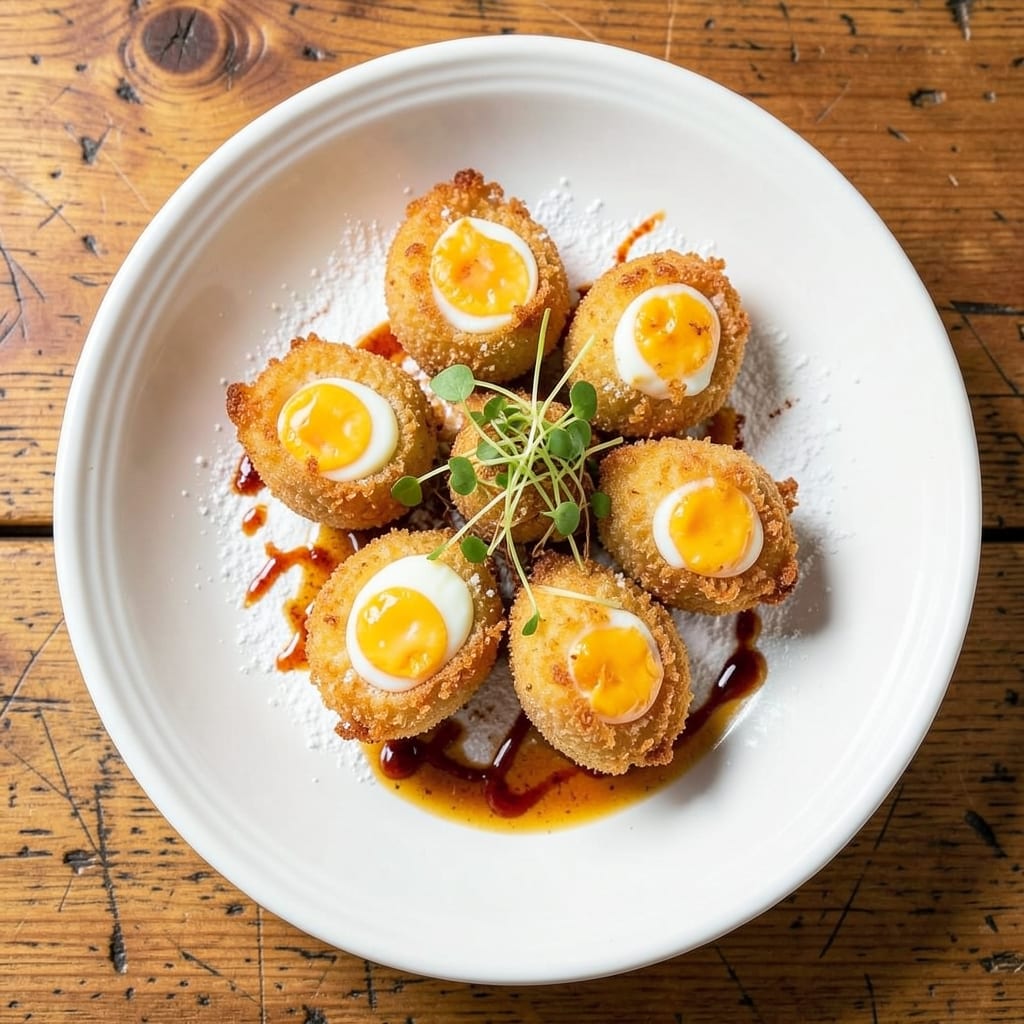
This coated egg wonton cups recipe delivers the perfect balance of crispy shells and silky yolk rivers that make every bite irresistible. The secret lies in a light, airy batter that creates a delicate yet sturdy crust, while the eggs cook to a runny center—just like your favorite breakfast dish. I've perfected this technique over years of testing, ensuring the shells stay crispy while the yolks remain perfectly creamy.
The process is simpler than you'd think: start with wonton wrappers for that signature texture, then create a light batter using flour, cornstarch, and a touch of baking powder for extra lift. The key to crispiness is frying at the right temperature—350°F—until golden brown, then letting the eggs set just enough to hold their shape while keeping that luxurious runny center. This method transforms a simple breakfast into something restaurant-worthy.
What makes these egg wonton cups truly special is how they combine textures—crispy shells give way to tender wonton wrappers, all surrounding that rich, silky yolk. The result is a dish that's elegant enough for brunch but easy enough for any morning. Serve with a side of soy sauce for dipping, or top with chopped scallions and sesame seeds for added flavor.
Once you try this recipe, you'll never go back to plain fried eggs again. The technique is foolproof, and the results are consistently delicious. Whether you're cooking for a crowd or treating yourself to a special breakfast, these wonton cups will become a new favorite. Let's get started!
Ingredients for coated egg
Wonton wrappers, light batter, and eggs—simple ingredients for restaurant-worthy breakfast bites.
| Ingredient | Amount | Notes |
|---|---|---|
| Wonton Wrappers 🥟 | 24 whole | Square wonton wrappers preferred |
| All-Purpose Flour 🌾 | ½ cup | Light flour for delicate batter |
| Cornstarch 🌾 | ¼ cup | For extra crispiness |
| Baking Powder 🍞 | ½ tsp | For light, airy texture |
| Large Eggs 🥚 | 6 whole | Room temperature for even cooking |
| Vegetable Oil 🫒 | 3 cups | High smoke point for frying |
| Salt 🧂 | ½ tsp | Kosher or sea salt |
| Black Pepper 🌶️ | ¼ tsp | Freshly ground preferred |
| Green Onions 🧅 | 3 whole | Chopped for garnish |
| Sesame Seeds 🌰 | 1 tbsp | Toasted for extra crunch |
| Soy Sauce 🍶 | ¼ cup | For dipping sauce |
| Rice Vinegar 🍶 | 1 tbsp | For dipping sauce balance |
| Sesame Oil 🫒 | ½ tbsp | For dipping sauce aroma |
Wonton wrappers are the star here. Kingsford or Nongshim brands are my go-tos—they're thin enough for crispiness but sturdy enough to hold the egg. Grab a pack, freeze half for next time. The flour and cornstarch combo gives that signature crispy texture, but don't substitute all-purpose for self-rising—the baking powder is key for lift. Bob's Red Mill cornstarch is my secret for extra crunch. For the eggs, room temperature makes all the difference—cold eggs won't cook evenly inside those delicate shells.
No wonton wrappers? Spring roll wrappers work in a pinch, but they're thicker. The batter can handle a little less cornstarch if you're worried about gluten—just add an extra tablespoon of flour. For the dipping sauce, low-sodium soy sauce keeps things balanced, and Kikkoman is my standard. Short on sesame seeds? Toasted poppy seeds add a similar crunch. The oil is non-negotiable for frying—use peanut or canola oil if vegetable isn't available. And trust me, the sesame oil in the dipping sauce? Worth the extra dollar for that nutty aroma.
Keep wonton wrappers sealed in the fridge until ready to use—they dry out fast. The batter stays good for 2 days in the fridge, covered. For the dipping sauce, mix everything together right before serving so the sesame oil flavor pops. These reheat beautifully—just 10 seconds in the microwave to warm through. I make double batches and freeze the extras—they're perfect for brunch parties or lazy weekend mornings.
Why You'll Love This Recipe
- Pantry Magic: I swear by this one—no fresh herbs, no fancy prep. The wonton wrappers handle all the crispy work while the eggs stay tender inside, and honestly? That flour-cornstarch mix is my secret for golden perfection every time.
- Crispy-Creamy Balance: Between us, the baking powder in the coating gives these a satisfying crunch that shatters like a dream, but the egg stays juicy inside. It’s the kind of texture that makes you pause mid-bite—like biting into a perfectly fried dumpling, but with eggs.
- Weeknight Hero: I make these when I’m too tired to think. Toss in whatever veggies I have (or skip them entirely), and they’re ready in 20 minutes. My kids grab them straight from the pan—no plates needed.
- Budget Breakthrough: Wonton wrappers and eggs? That’s it. No specialty ingredients, no markup. I’ve fed four people for under $5, and the leftovers reheat like they’re fresh. (Yes, even on a Tuesday night.)
Step-by-step instructions for crispy egg wonton cups
Here's how to create those irresistible crispy shells with perfectly runny yolks inside.
Prepare the Crispy Batter Mixture
In a medium bowl, whisk together the 0.5 cup all-purpose flour, 0.25 cup cornstarch, 0.5 teaspoon baking powder, 0.5 teaspoon salt, and 0.25 teaspoon black pepper. This dry blend creates the foundation for our crispy shells. I like to sift the flour mixture once to eliminate any lumps that could make our wrappers uneven.
In a separate bowl, crack the 6 large eggs and whisk them vigorously until the yolks and whites are completely combined and frothy. This ensures even cooking and prevents any separation when we fry them later. The eggs should be at room temperature for best results—if they're cold, let them sit out for about 30 minutes before using.
Combine and Create the Wonton Cups
Gradually pour the whisked eggs into the dry flour mixture while stirring gently with a spatula. You're looking for a smooth, thick batter that coats the back of the spatula. If it's too thick, add 1 teaspoon of water at a time until it reaches a consistency similar to heavy cream. This batter will form our crispy shells.
Carefully place 24 wonton wrappers on a clean, flat surface. Using a small spoon or your finger, place about 1 teaspoon of the batter into the center of each wonton wrapper. Then, gently fold the wrapper over the batter to form a half-moon shape and press the edges lightly to seal. I press down firmly but not too hard—just enough to create a good seal without tearing the delicate wonton skin.
Fry to Golden Perfection
Heat 3 cups vegetable oil in a large, deep skillet or Dutch oven over medium heat until it reaches 350°F. You'll know it's ready when a small piece of batter dropped into the oil sizzles and floats to the surface immediately. This is crucial for achieving that perfect crispy texture.
Working in batches to avoid overcrowding, carefully place the filled wonton cups into the hot oil. Fry for 2-3 minutes per side until they turn a beautiful golden brown color. They should be crispy on the outside but still soft and pliable inside. If they brown too quickly, reduce the heat slightly to 325°F—we want them to cook through without burning.
Fill with Silky Egg Centers
While the wonton cups are still hot, use a small spoon to carefully create a small opening in one side of each cup. This is where we'll inject our egg filling. In a separate bowl, whisk together 2 additional large eggs (for a total of 8 eggs used in this recipe) with 0.25 cup soy sauce, 1 tablespoon rice vinegar, and 0.5 tablespoon sesame oil. This creates a silky, flavorful filling that pairs perfectly with the crispy shells.
Using a small piping bag or zip-top bag with a tiny corner cut off, gently pipe the egg mixture into each wonton cup until they're about 3/4 full. The heat from the shells will help cook the egg mixture perfectly, creating those luscious yolk rivers when you take your first bite. Seal the opening by pressing it closed with your finger or a small piece of wonton wrapper.
Garnish and Serve Immediately
While still warm, sprinkle each wonton cup with a pinch of the toasted sesame seeds and the finely chopped green onions. The sesame seeds add a delightful crunch and nutty flavor, while the green onions bring a fresh, bright contrast to the rich egg filling. Serve immediately while everything is hot and crispy.
These wonton cups are best enjoyed right away when the shells are at their crispiest and the egg centers are still silky. Arrange them on a platter and watch as everyone reaches for seconds—they're that good! The combination of crispy, golden shells and creamy, flavorful egg centers makes these a showstopper for any occasion.
Pro Tips For Making Coated Egg
- CHILL THE EGGS FIRST: Crack cold eggs straight into your batter mix—no need to warm them first. I used to eyeball this and ended up with lumpy coats or eggs that wouldn’t bind right. Cold eggs blend smoother and keep the texture consistent, especially when mixing with flour and cornstarch.
- DON’T SKIP THE REST: Let the coated egg mixture sit for 10 minutes before frying. Sounds weird, but it works: the baking powder and cornstarch need time to hydrate fully. I was skeptical until I tried it—now my eggs fry up golden and crispy instead of gummy inside.
- USE FRESH WRAPPERS: Check the "best by" date on wonton wrappers—older ones turn brittle and crack when coating. I learned this the hard way after a batch of eggs fell apart mid-fry. If you’re short on time, freeze extras and thaw them in the fridge overnight for better handling.
- DIP TWICE, FRY ONCE: Coat the eggs in the batter, let excess drip off, then dip them again in a shallow bowl of flour-cornstarch mix (1:1 ratio). This double layer keeps the coating intact during frying—no more half-naked eggs in your oil. (Yes, even if you’re impatient like me.)
Common mistakes when making great coated egg
Overmixing the Batter
I've learned the hard way that overmixing the batter is the #1 enemy of crispy shells. Once you combine the eggs and dry ingredients, stir just until smooth—about 15-20 strokes with a spatula. Overmixing develops gluten, which makes the shells tough instead of crispy. I've had batches turn out like dense dumplings because I got carried away whisking. If your batter looks too thick, add water 1 tsp at a time until it's like heavy cream, but don't overwork it afterward. 🥟
Skipping the Room Temp Eggs
Cold eggs are a surefire way to end up with unevenly cooked centers. When eggs are straight from the fridge, their yolks and whites cook at different rates, leading to rubbery textures or undercooked centers. Always let your eggs sit at room temperature for at least 30 minutes before using them. Pro tip: I keep my eggs in the fridge until I'm ready to cook, then transfer them to a bowl of warm water while I prep everything else. This ensures consistent doneness every time. 🥚
Frying at Wrong Temperature
The oil temperature is where most home cooks go wrong. Too low (325°F) and your shells will absorb oil and turn greasy; too high (375°F+) and they'll burn before cooking through. Aim for a steady 350°F—use an instant-read thermometer to check. I've had batches where the outside was perfect but the inside stayed raw because the heat wasn't consistent. And never overcrowd the pan—fry in batches with 1-2 inches between cups to maintain temperature. 🌡️
Not Sealing the Wrappers Tightly
If the wonton wrappers aren't properly sealed, the egg filling will leak out during frying, creating messy, uneven shapes. Press the edges firmly but gently—think of it like sealing an envelope. I like to use my finger to press along the entire edge while keeping the wrapper flat on the surface. A good seal also prevents the batter from oozing out when you fry, which ruins that clean, crispy look. Test your seal by gently lifting one corner—if it holds, you're good to go. 🔧
Underfilling or Overfilling
Too little egg filling and you'll have hollow shells; too much and it'll burst out when you bite in. Aim for 3/4 full when piping the egg mixture. I use a 1-teaspoon measure as my guide—fill each cup to that level. Another trick: leave a 1/4-inch gap at the top when sealing. The filling will expand slightly from the heat, so don't pack it in tightly. This balance gives you that perfect first bite where the yolk just starts to run. 💡
Serving Too Late
These wonton cups are at their best served immediately after frying while the shells are still crispy and the egg centers are warm. I've had people ask me to reheat leftovers, and while they're still good, nothing beats the fresh-out-of-the-fryer texture. The shells lose their crispiness within 20-30 minutes, so serve them straight from the fryer. If you need to hold them, keep them in a 200°F oven on a wire rack for up to 15 minutes—this maintains crispiness better than any container. 🕒
Nutrition facts
Frequently asked questions
Can I use regular flour instead of the cornstarch blend?
The cornstarch blend creates that signature crispy texture, but you can substitute with 100% all-purpose flour if needed. Just add 1 extra teaspoon of baking powder to compensate for the lack of lift. The shells will still be crispy but slightly less delicate. For best results, keep the cornstarch—it's what makes these shells extra crunchy!
How do I fix if my wonton cups break while frying?
If a wrapper tears during frying, don't stress! Simply scoop out the egg mixture with a slotted spoon and refry the broken pieces separately. For the filling, you can either pipe it into a small bowl and serve as a dipping sauce, or use a spoon to create mini egg bites with the leftover mixture. The flavor will still be delicious!
Can I make these egg wonton cups ahead of time?
You can prep the batter and shaped wonton cups 1 day ahead—just store them sealed in the fridge. Fry them fresh when ready to serve, as the shells lose crispiness when reheated. For the egg filling, mix it just before piping into the shells to maintain freshness. If you must reheat, place them in a 350°F oven for 5-7 minutes to restore some crispiness.
What other proteins can I use in these shells?
These crispy shells work great with other fillings too! Try shredded chicken mixed with soy sauce and ginger, or spicy tuna with sesame oil and sriracha. For a vegetarian option, use crumbled tofu with a savory sauce. Just adjust the cooking time slightly—meat fillings may need 1-2 extra minutes in the oven to heat through completely.
Why did my egg centers turn rubbery?
Rubbery egg centers usually mean the filling was overcooked. This happens when the shells are fried too long or the egg mixture sits too long before sealing. Always use room-temperature eggs and seal the shells immediately after frying. For extra insurance, add a pinch of sugar (1/4 teaspoon) to the egg mixture—it helps keep the yolks silky.