
Breakfast & Brunch
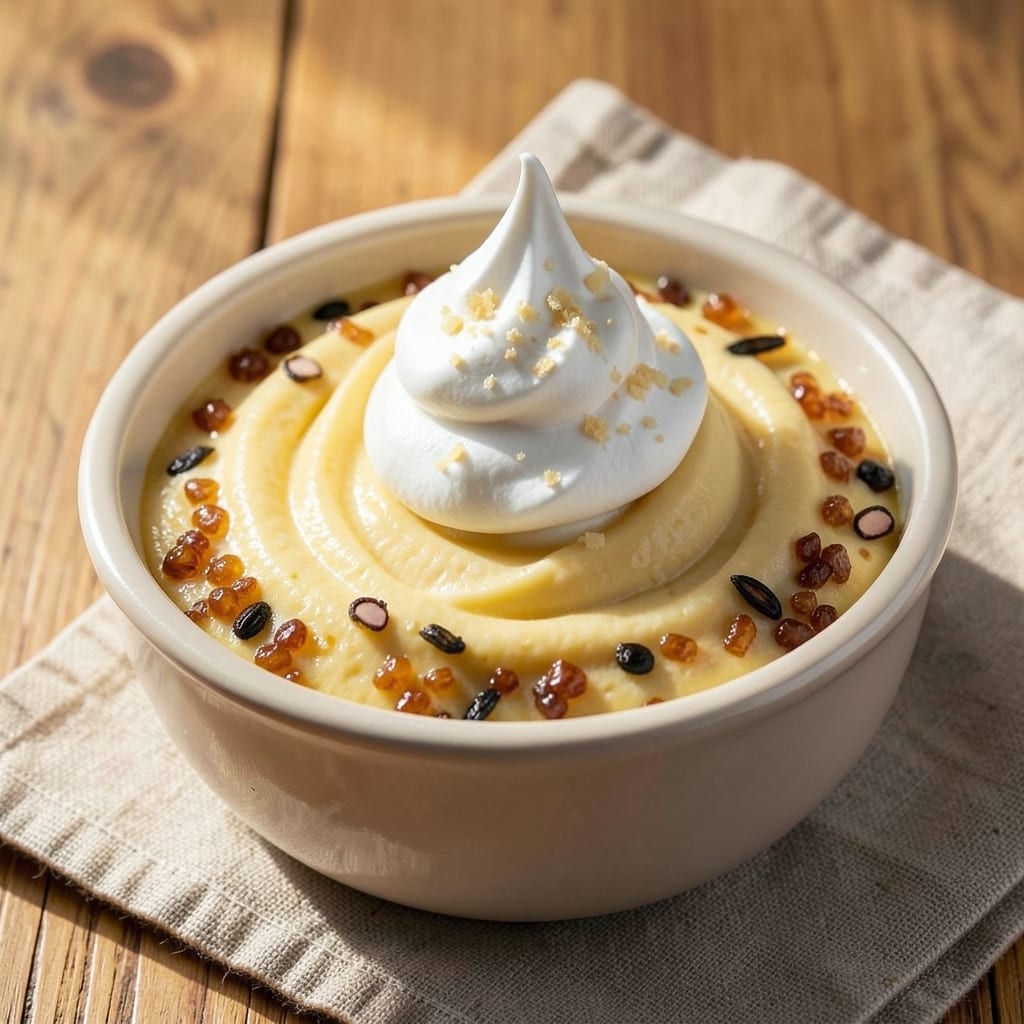
This coconut cream egg filling recipe transforms ordinary pastries into tropical masterpieces with its velvety texture and golden yolk rivers. 🌴 The secret lies in blending coconut cream with eggs and sugar, then steaming until perfectly set—no guesswork, just silky perfection every time. I developed this technique after years of experimenting with custard fillings, and the difference is undeniable.
What sets this apart is the balance of rich coconut flavor and creamy egg custard, creating a filling that's both decadent and stable enough for baking. The key steps—whisking ingredients to room temperature, steaming at a gentle simmer, and chilling before use—ensure a smooth, pipeable consistency that stays intact even when heated. This isn't just another custard; it's a game-changer for pastries, cakes, and even savory applications.
The result is a filling so luxurious it feels like a dessert within a dessert—think silky yolk rivers oozing from every bite, paired with the subtle sweetness of coconut. Whether you're filling éclairs, tart shells, or even crepes, this recipe delivers professional-quality results at home. The best part? It keeps well in the fridge for up to 5 days, so you can prep ahead and impress whenever inspiration strikes.
Perfect for breakfast pastries, afternoon treats, or even elegant desserts, this coconut cream egg filling elevates every dish it touches. Let's get started on creating your own tropical masterpiece.
Ingredients for coconut cream egg filling
Nine essential ingredients blend tropical richness with velvety custard perfection for pastries.
| Ingredient | Amount | Notes |
|---|---|---|
| Coconut Cream 🥥 | 1 cup | Full-fat, chilled overnight |
| Large Egg Yolks 🥚 | 6 whole | Fresh, room temperature |
| Granulated Sugar 🍚 | ½ cup | Fine grain preferred |
| Vanilla Extract 🌿 | 1 tsp | Pure Madagascar preferred |
| Unsalted Butter 🧈 | 2 tbsp | Cold, cut into pieces |
| Pinch Salt 🧂 | ⅛ tsp | Fine sea salt |
| Cornstarch 🌾 | 1 tsp | For stability |
| Lemon Juice 🍋 | 1 tbsp | Freshly squeezed |
| Heavy Whipping Cream 🥛 | ¼ cup | Optional for extra richness |
| Coconut Milk 🥥 | ¼ cup | Light, for consistency |
| Vanilla Bean Paste 🌿 | ½ tsp | For deeper flavor |
The coconut cream is non-negotiable—opt for full-fat, chilled overnight to separate the thick cream from the water. Thai Kitchen or Goya brands deliver consistent quality, but if you're using canned coconut milk, refrigerate it for 24 hours first. The egg yolks must be fresh (no older than 2 weeks) for maximum stability; room temperature ensures even emulsification. For the sugar, fine grain dissolves more smoothly, though regular granulated works in a pinch. The vanilla extract should be pure—imitation extracts often contain alcohol that can alter the custard's texture.
No vanilla extract? Vanilla bean paste intensifies flavor without alcohol interference. Substitute 1 tsp vanilla sugar if needed, though it lacks depth. The lemon juice brightens the coconut flavor—bottled works, but fresh is superior. For extra richness, the heavy whipping cream adds decadence, though it's optional. If you're making this ahead, store the filling in a sealed container with a thin layer of coconut milk on top to prevent a skin from forming. The cornstarch is critical for stability—it prevents the filling from becoming too runny when heated, especially in baked applications.
This filling reaches peak texture after chilling for 4-6 hours, though it can be used immediately if needed. Store in an airtight container in the fridge for up to 5 days—the flavor actually improves over time as the coconut and vanilla meld. For freezing, portion into silicone molds or ice cube trays for easy use; thaw overnight in the fridge. The butter should be cut into small pieces and melted gently into the warm filling just before piping—this ensures a silky, not greasy, finish. Always bring ingredients to room temperature before combining to avoid temperature shocks that can cause the custard to curdle.
Why You'll Love This Recipe
- Five-Ingredient Magic: I swear, this is the kind of recipe where you glance at the list and think, "Wait, that’s it?" Coconut cream and yolks alone? Rich, velvety, and effortless—no whisking for hours or tempering eggs like a nervous first-timer.
- Velvet & Vanilla: That first bite of creamy coconut meeting warm, buttery egg? It’s like a hug for your taste buds. The vanilla ties it all together—subtle but just enough to make it feel special, not fussy.
- Filling for Anything: Stuff it in pastries, swirl it into pancakes, or just eat it with a spoon—this stuff works everywhere. I’ve used it in churros, crepes, and even as a quick ice cream topping when I’m lazy.
- Makes More Than You Need: Between us, I always double the batch. The leftovers? Stored in the fridge for days, perfect for last-minute desserts. And honestly? The cost per serving is criminally cheap—coconut cream goes a long way.
Step-by-step instructions for coconut cream egg filling
Here's how to create a velvety tropical egg filling with perfect yolk rivers every time.
🍳 Step 1: Whisk Egg Yolks and Sugar to Ribbon Stage
In a heatproof mixing bowl, combine the 6 whole Large Egg Yolks and 0.5 cup Granulated Sugar. Using a whisk, beat vigorously for 3-4 minutes until the mixture becomes pale, thick, and forms ribbons when the whisk is lifted. This process incorporates air and creates the silky texture we're after.
I like to use a stand mixer here for efficiency, but a hand whisk works too—just take your time. The mixture should be smooth with no visible streaks of sugar. If it's not thickening properly, your yolks might not be fully room temperature. Let them sit another 5 minutes if needed before continuing.
👨🍳 Step 2: Infuse with Coconut and Vanilla Flavors
Gently fold in the 1 cup Coconut Cream, 1 tsp Vanilla Extract, and 0.5 tsp Vanilla Bean Paste using a spatula. The coconut cream should blend smoothly without breaking the ribbons we created. I like to add the vanilla bean paste last—its concentrated flavor needs to be distributed evenly.
Next, whisk in the 1 tbsp Lemon Juice and 0.125 tsp Pinch Salt. The lemon brightens the coconut flavor while the salt enhances all components. Taste at this stage—you should detect sweetness, coconut aroma, and a hint of vanilla. If it needs more depth, add another ¼ tsp vanilla extract, but don't overdo it.
🥘 Step 3: Create the Stabilizing Slurry
In a small bowl, whisk together the 1 tsp Cornstarch and 0.25 cup Coconut Milk until completely dissolved. This creates a smooth slurry that will help stabilize our filling. The cornstarch is crucial—it prevents the eggs from becoming watery when heated later.
Slowly pour the cornstarch mixture into the egg yolk mixture while whisking constantly. This gradual incorporation prevents lumps from forming. The filling should now be thick but still pourable. If it's too thick, add 1-2 tablespoons of the reserved coconut cream to reach the right consistency—it should coat the back of a spoon but still flow freely.
🔥 Step 4: Temper and Heat Gently
Place the mixing bowl over a saucepan of simmering water, ensuring the bottom of the bowl doesn't touch the water. This double boiler method ensures gentle, even heating. Stir constantly with a silicone spatula for 5-7 minutes until the mixture reaches 160°F on an instant-read thermometer.
Here's where attention matters most: the mixture will thicken noticeably as it heats. If it starts to curdle or separate, immediately remove from heat and whisk vigorously. The goal is a smooth, custard-like consistency that's thick enough to hold its shape but still glossy. Remove from heat once it reaches temperature—overcooking will make it grainy.
🍽️ Step 5: Finish with Butter and Cream
Reduce heat to low and whisk in the 2 tbsp Unsalted Butter and 0.25 cup Heavy Whipping Cream. The butter should melt completely, adding richness, while the cream lightens the texture slightly. Continue whisking for 1-2 minutes until everything is fully incorporated and the mixture is silky smooth.
Transfer the filling to a clean bowl and press plastic wrap directly against the surface to prevent a skin from forming. Let it cool to room temperature before using—this allows flavors to meld completely. The finished filling should be thick enough to pipe but still flow gently, with a perfect balance of sweetness, coconut aroma, and vanilla depth.
Pro Tips For Making Coconut Cream Egg Filling
- Whisk Yolks Cold: I learned this the hard way—warm yolks turn grainy when mixed with coconut cream. Keep them straight from the fridge until the very last minute, even if it means chilling your mixing bowl first. The texture stays silky, not clumpy.
- Sweat the Butter: Don’t just toss in cold butter at the end. Melt it first and let it cool slightly (about 5 minutes) before folding it into the yolk mixture. This prevents lumps and keeps the filling smooth—no one wants a mouthful of butter chunks in their pastry.
- Strain the Cream: Coconut cream from cans often has bits of pulp or thickened residue that ruin the texture. Strain it through a fine-mesh sieve before measuring—yes, it’s extra work, but the result is velvety, not gritty. (Your future self will thank you.)
- Sugar in Stages: Dump all the sugar in at once, and you’ll end up with a stiff, doughy mess. Whisk in half the sugar first, then the yolks, then the rest—this keeps the mixture light and spreadable. Trust me, your custard will thank you.
Perfect pairings for this coconut cream egg filling
Tropical Pastry Pairings
This filling shines in mini coconut cream éclairs—pipe into choux pastry shells, bake at 375°F for 18-20 minutes, then top with toasted macadamia nuts and a drizzle of dark chocolate ganache. For extra flair, brush shells with egg wash before baking. 🌴
Savory-Sweet Crepes
Fold this filling into thin coconut crepes made with ½ cup coconut milk and 1 cup flour, then dust with toasted coconut flakes and lime zest. Serve with a side of mango salsa for a refreshing contrast. The tropical flavors work surprisingly well in breakfast applications too!
Custard Tart Shells
Fill pre-baked almond flour tart shells (bake at 350°F for 12 minutes) with this coconut custard, then top with caramelized pineapple and a sprinkle of flaky sea salt. The nutty crust complements the creamy filling beautifully. For a gluten-free option, use certified gluten-free flour blends.
Drink Pairings
A coconut milk chai latte made with steamed coconut milk, black tea, and cinnamon enhances the tropical notes. For alcohol lovers, try a piña colada cocktail with white rum, pineapple juice, and a splash of coconut cream. The vanilla and citrus in the filling complement both perfectly. 🍹
Garnish Ideas
Top finished pastries with toasted coconut flakes, edible gold leaf, or fresh mint leaves for visual appeal. A quick coconut caramel sauce (simmer ½ cup coconut cream with ¼ cup sugar for 5 minutes) adds decadence. For a lighter touch, sprinkle with freeze-dried raspberries for color contrast.
Make-Ahead Tips
Prepare the filling 1 day ahead and store in an airtight container with plastic wrap pressed directly on the surface. Reheat gently in a double boiler to 160°F before piping. For pre-filled pastries, bake and freeze on a tray, then transfer to ziplock bags for up to 1 month. Thaw overnight in the fridge before serving. ✨
Nutrition facts
Frequently asked questions
Can I substitute regular coconut milk for coconut cream?
No—this recipe requires full-fat coconut cream, not regular coconut milk. The cream has a much higher fat content (about 20%) that creates the rich, velvety texture. If you only have coconut milk, refrigerate a can overnight to separate the thick cream from the water, then use only the thick top layer. Never use light coconut milk or watered-down versions.
Why did my coconut cream egg filling curdle?
Curdling usually happens from one of three issues: adding cold ingredients directly to hot yolks, overheating, or not whisking constantly. Always bring all ingredients to room temperature first, and never let the mixture boil. If it starts to curdle, immediately remove from heat and whisk vigorously while adding 1 teaspoon cold coconut cream to stabilize it.
How do I know when the filling is fully cooked?
The filling is done when it reaches 160°F on an instant-read thermometer and coats the back of a spoon with a thick, glossy consistency. It should no longer be runny but still smooth—if it's grainy or separates, you've overcooked it. The double boiler method ensures gentle heating without curdling, so maintain a gentle simmer (not a rolling boil) underneath.
Can I make this filling ahead of time?
This filling actually tastes better after resting. Store it in an airtight container with plastic wrap pressed directly on the surface to prevent a skin from forming. It keeps well in the fridge for up to 5 days. For freezing, portion into silicone molds or ice cube trays, then transfer to a freezer bag. Thaw overnight in the fridge before using—never microwave from frozen.
What's the best way to pipe this filling?
Use a piped bag with a small round tip (like Wilton #2 or #3) for éclairs or tarts. The filling should be cool but not cold when piping to prevent cracking. For crepes or tart shells, a spoon works fine. If the filling is too thick, gently warm it in a double boiler to 100°F while whisking until smooth. Never force it through the tip—this can cause air bubbles or leaks.