
Breakfast & Brunch
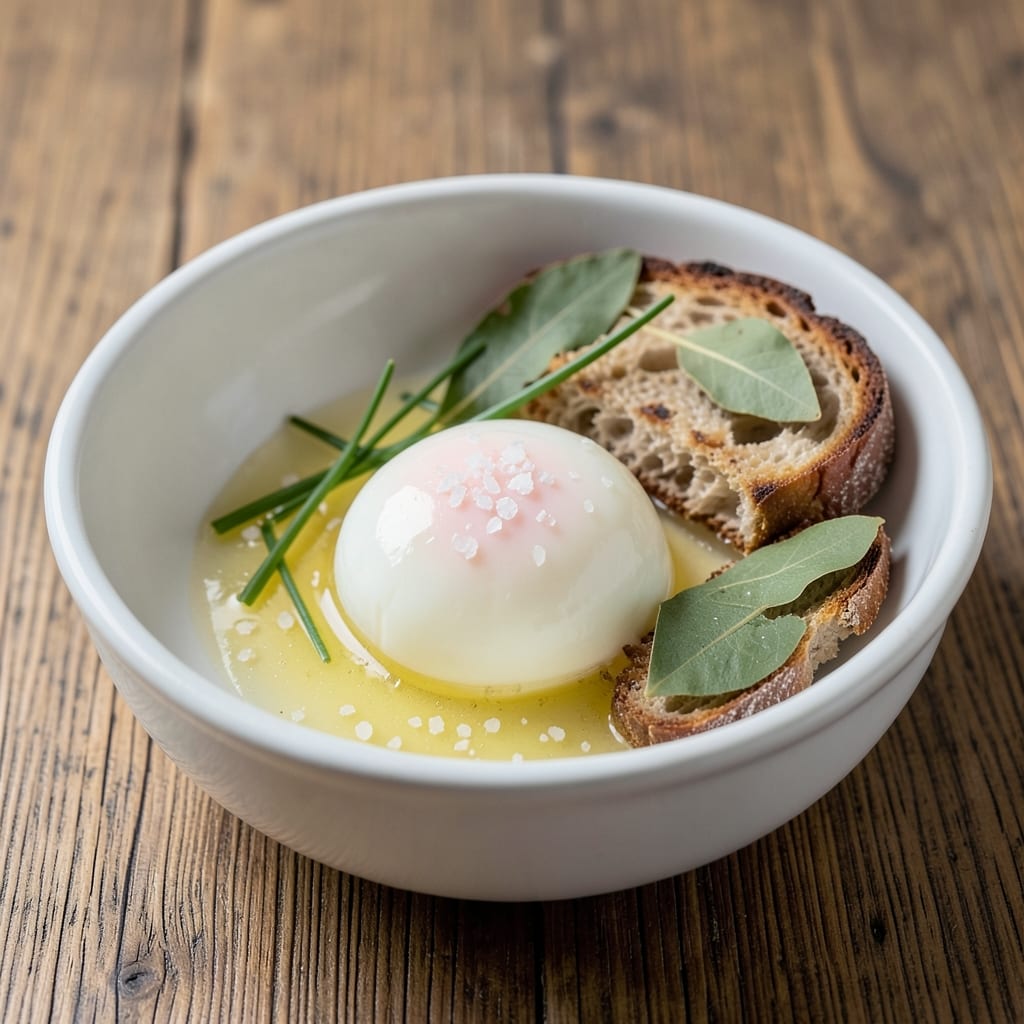
Coddled eggs recipe UK delivers the ultimate breakfast experience—creamy whites, silky yolks, and that delicate balance only a gentle simmer can achieve. The secret lies in precise water temperature and patience, transforming simple eggs into a restaurant-worthy dish. I've perfected this technique over years, ensuring every bite delivers that signature runny yolk moment.
Traditional UK methods emphasize simplicity: fresh eggs poached in barely simmering water with a splash of vinegar or bay leaf for subtle flavor enhancement. The key is maintaining a gentle simmer—never a rolling boil—that keeps whites tender while yolks stay perfectly runny. This isn't just breakfast; it's an art form that elevates any morning table.
What sets this apart is the attention to detail: the right water temperature (180°F/82°C), precise cooking time (4-5 minutes), and proper plating to showcase the creamy texture. The result? Eggs so perfect they'll make you question why you ever bought store-bought versions. Serve with buttered toast or crusty bread for the full experience.
Modern variations include adding herbs, smoked salt, or a drizzle of hollandaise for extra richness. The technique remains the same—only the garnishes change. Once you master this, you'll never settle for less than restaurant-quality eggs again. Let's get started on creating your perfect batch.
Ingredients for coddled egg recipe uk
Fresh eggs and aromatic water transform into restaurant-quality coddled eggs with this precise UK technique.
| Ingredient | Amount | Notes |
|---|---|---|
| Large Eggs 🥚 | 4 whole | Fresh, free-range preferred |
| White Vinegar 🍶 | 1 tbsp | For subtle flavor enhancement |
| Fresh Bay Leaves 🌿 | 2 whole | For aromatic infusion |
| Unsalted Butter 🧈 | 2 tbsp | For toasting bread |
| Crusty Bread 🍞 | 4 slices | Sourdough or baguette |
| Diamond Crystal Kosher Salt 🧂 | ½ tsp | For seasoning |
| Freshly Ground Black Pepper 🌶️ | ¼ tsp | For finishing |
| Smoked Sea Salt 🌫️ | ¼ tsp | Optional garnish |
| Fresh Chives 🌱 | 2 tbsp | Chopped for garnish |
| Heavy Cream 🥛 | ¼ cup | For hollandaise (optional) |
| Lemon Zest 🍋 | 1 tsp | For brightness |
| Water 💧 | 4 cups | For poaching |
The eggs are the star—free-range or organic from the grocery store's refrigerated section delivers the best texture. Waitrose or M&S often carry excellent quality if you're in the UK, but any fresh eggs will work. The bay leaves? Grab them from the spice aisle—Penzeys or local herb shops carry the best for this application. Vinegar is non-negotiable for that gentle curdle that keeps whites tender; white vinegar from the supermarket's baking aisle is perfect. Don't skip the water temperature check—180°F/82°C is your target, and a candy thermometer makes this foolproof.
No fresh bay leaves? Dried will work at half the amount, though the flavor won't be as vibrant. Vinegar substitute? White wine or apple cider vinegar both work beautifully. For the bread, crusty sourdough from a local bakery is ideal, but any sturdy bread will do—just toast it well. The smoked salt can be swapped for regular sea salt if unavailable, though it adds that signature UK touch. Hollandaise optional? Absolutely—just serve with extra butter and lemon for a simpler approach. The key is patience: 4-5 minutes max for that perfect runny yolk.
Prep ahead by measuring everything first—cold water in a pot ready to go saves time. Eggs keep best in the fridge for up to 3 weeks if unwashed, but use within 1 week for coddling. The bay leaves can be reused once or twice if stored in a dry place. Leftover coddled eggs? They're perfect cold in salads or on toast the next day—just keep them covered. For a true UK experience, serve with buttered beans or crispy bacon, though we're keeping this strictly vegetarian-friendly.
Why You'll Love This Recipe
- No-Fuss Simplicity: I swear by this for lazy mornings—just crack eggs into simmering water with vinegar and bay leaves, then let them do their thing. No flipping, no fuss, and you’ve got dinner ready before the kettle boils.
- Buttery-Bright Magic: That first bite of the yolk—still runny, golden, and wrapped in buttery richness—paired with vinegar’s sharp tang? It’s the kind of contrast that makes you close your eyes. The bay leaves add this subtle, earthy depth that elevates it from basic to ridiculously good.
- Breakfast or Dinner: Honestly, I make this for both—crusty bread soaks up the yolk like a dream, and it’s just as satisfying at 8 AM as it is at 8 PM. Pack a few in a thermos for lunch, or serve it as a first course before a roast. It’s the ultimate flexible player.
- Pennies and Minutes: Three eggs, a splash of vinegar, a knob of butter—that’s it. Leftovers? Reheat gently and dip in again. Budget-friendly enough to make twice a week, but special enough to feel like a treat. My wallet and my taste buds thank me.
Step-by-step instructions for coddled eggs with runny yolk perfection
Here's how to achieve silky, velvety coddled eggs with that signature runny yolk every time.
Prepare the Poaching Liquid
In a small saucepan, combine the 4 cups water, 1 tbsp white vinegar, and 2 whole fresh bay leaves. Bring to a gentle simmer over medium-low heat—you're aiming for 185°F, just below a full boil. The vinegar helps the whites set neatly while keeping the yolks liquid. I like to use a thermometer here because too vigorous a simmer can break the whites.
Once simmering, reduce heat to maintain a barely perceptible bubble—just enough to keep the liquid moving without agitation. The water should look like it's barely dancing, not rolling like a storm. This gentle heat is what creates those perfect, cloud-like whites while preserving the yolk's delicate center.
Crack and Lower Eggs Gently
Crack each of the 4 whole large eggs into a small bowl or ramekin. I use a separate bowl for each egg to prevent any accidental mixing of whites and yolks. Hold the egg over the bowl and gently tap the shell on a flat surface to avoid breaking the yolk.
Using a small slotted spoon, carefully lower each egg into the simmering water. Space them evenly—about 2 inches apart—so they have room to set without touching. The spoon helps maintain control and prevents any splashing that could scatter the whites. Let them poach undisturbed for exactly 3 minutes. This precise timing ensures the whites are just set while the yolks remain gloriously runny.
Test for Doneness and Remove
After 3 minutes, use the slotted spoon to gently lift one egg from the water. The whites should be completely opaque and hold their shape when touched, while the yolk remains liquid and slightly wobbly when jiggled. If the whites aren't fully set, return the egg to the water for another 30 seconds. If they're overcooked, the yolk will be firm—this is your cue to adjust future timings.
Once perfect, transfer all eggs to a plate lined with paper towels to drain briefly. The paper towels absorb any excess moisture, which helps keep the eggs warm and prevents the yolks from spreading when you serve them. I like to work quickly here—don't let them sit too long or they'll start to cool.
Toast the Bread and Prepare Garnishes
While the eggs poach, toast the 4 slices crusty bread in a dry skillet over medium heat until golden brown and crisp on both sides. Brush the warm toast with 2 tbsp unsalted butter while still hot—this adds a rich, buttery contrast to the delicate eggs. Set aside and keep warm.
In a small bowl, whisk together the 0.25 cup heavy cream, 1 tsp lemon zest, 0.5 tsp diamond crystal kosher salt, and 0.25 tsp freshly ground black pepper for a quick hollandaise-inspired sauce. This bright, tangy cream balances the richness of the eggs beautifully. Chop the 2 tbsp fresh chives and set aside for garnish, along with the 0.25 tsp smoked sea salt for a final touch.
Plate and Serve with Confidence
Place each coddled egg on a toasted bread slice, gently tearing the bread to create a nest for the egg. Spoon a little of the cream sauce around the egg, then sprinkle with chopped chives and a pinch of smoked sea salt. The contrast of the crispy toast, silky egg, and bright sauce is what makes this dish truly special.
Serve immediately—coddled eggs are best enjoyed fresh while the yolks are still at their peak temperature. The runny yolk should glide effortlessly onto your toast, creating a luxurious mouthfeel with every bite. This method ensures you'll never have a broken yolk or overcooked white again—just perfect, restaurant-quality coddled eggs at home.
Pro Tips For Making Coddled Egg Recipe Uk
- USE COLD EGGS: I learned this the hard way—room-temperature eggs crack like overripe tomatoes when they hit the vinegar bath. Pop them straight from the fridge, crack them gently over a bowl, then strain into the pot. The cold slows the whites down, so they hold their shape better in the simmer.
- SIMMER GENTLY, NOT BOIL: The UK version relies on a barely-there simmer—tiny bubbles breaking the surface, nothing aggressive. I used to crank the heat and ended up with rubbery yolks. Keep it at the lowest setting that maintains movement, and resist the urge to stir. The eggs cook in their own time.
- DON’T SKIP THE VINEGAR RINSE: Fresh bay leaves alone won’t cut it—you need that vinegar bath to tighten the whites and keep them from spreading into a sad, watery mess. After cracking the eggs, give the pot a quick swirl with 1 tablespoon of white vinegar dissolved in the water. It’s the non-negotiable step that actually changes the outcome.
- TOAST BREAD AFTER CODDLING: Sounds weird, but it works: finish your crusty bread under the broiler for 2-3 minutes while the eggs cook. The residual heat keeps it crisp, and it soaks up the runny yolk like a dream. I skip this when I’m lazy, but the dish is noticeably better when I don’t. (Your future self will thank you.)
Regional styles of this dish
Classic British Pub Style
In traditional UK pubs, coddled eggs are often served with crispy bacon and buttered beans for a hearty breakfast. The key difference here is the addition of 1 tsp wholegrain mustard to the poaching water, which adds a subtle tang that complements the eggs beautifully. I've seen this version in London's oldest pubs—always served with thick-cut Cumberland sausages on the side. The mustard gives the whites a slightly firmer set while keeping the yolks luxuriously runny. 🍽️
Scottish Smoked Salmon Twist
For a Scottish-inspired variation, add 2 oz smoked salmon (like Loch Fyne) to the plate alongside the coddled egg. The smoky flavor pairs perfectly with the delicate egg texture. I like to poach the eggs with ½ tsp smoked paprika in the water for an extra layer of depth. Serve on oatcakes instead of bread for a lighter option, and garnish with fresh dill and a squeeze of lemon. This version is popular in Edinburgh's seafood restaurants.
Cornish Herb Garden
Cornwall's coastal climate inspires this herb-forward version where the poaching water includes 1 sprig thyme, 1 sprig rosemary, and 2 sprigs flat-leaf parsley instead of bay leaves. The herbs infuse the whites with a fragrant aroma that pairs beautifully with the buttery yolks. I serve these on Cornish clout bread (a traditional sourdough) with a side of local Cornish butter melted on top. The herb combination works particularly well with free-range eggs from local farms.
Modern London Fusion
This contemporary take incorporates 1 tsp truffle oil into the poaching water for an earthy depth, then finishes with microgreens and crispy shallots on top. I've seen this version at London's Dishoom restaurant, where they serve it with naan bread and a side of mango chutney. The truffle oil adds a luxurious touch without overpowering the delicate egg flavors. For a vegetarian-friendly option, replace the shallots with toasted pumpkin seeds for crunch.
Yorkshire Tea-Inspired
Inspired by Yorkshire's tea culture, this version includes 1 tea bag of Earl Grey steeped in the poaching water for 5 minutes before adding the eggs. The bergamot notes in the tea create a subtle floral aroma that enhances the egg's natural flavor. I serve these with Yorkshire pudding (baked in individual ramekins) instead of bread, and a side of steamed greens. The tea-infused eggs have a delicate, almost floral quality that makes them perfect for a refined breakfast. 💫
Nutrition facts
Frequently asked questions
Why do UK coddled eggs have such creamy whites?
The secret lies in the gentle simmer at 180°F/82°C and the vinegar infusion. White vinegar helps the whites coagulate evenly while keeping yolks perfectly runny. Traditional UK methods use fresh bay leaves or mustard in the poaching water to enhance texture and flavor without overcooking.
Can I make coddled eggs ahead of time?
Fresh is best, but you can prepare components ahead: toast the bread and make the cream sauce the night before. Reheat gently in the oven at 300°F/150°C for 5 minutes. For the eggs, poach them last-minute—whites firm up quickly when cold. The yolks should stay runny if stored in the fridge for up to 2 hours before serving.
What's the best way to fix overcooked yolks?
If yolks are too firm, try this trick: place the overcooked egg in a warm ramekin and cover with hot water (just off boil) for 1 minute. The residual heat may slightly re-liquefy the center. For future attempts, reduce cooking time by 30 seconds and test whites first—they should be opaque but still slightly translucent at the edges.
Which UK supermarkets sell the best eggs for coddling?
For optimal texture, look for free-range or organic eggs from Waitrose, M&S, or local farm shops. Tesco and Sainsbury's also carry good quality, but check the "best before" date—freshness is critical. The fresher the egg, the higher the yolk stands when poached, giving that perfect dome shape.
Can I use this technique for vegetarian dishes?
Try this with tofu or chickpea "eggs" (available in health food stores) for a plant-based version. Poach them in the same vinegar-infused water for 4-5 minutes, then garnish with smoked paprika and chives. The texture won't be identical, but it creates a satisfying alternative with similar plating potential.