
Breakfast & Brunch
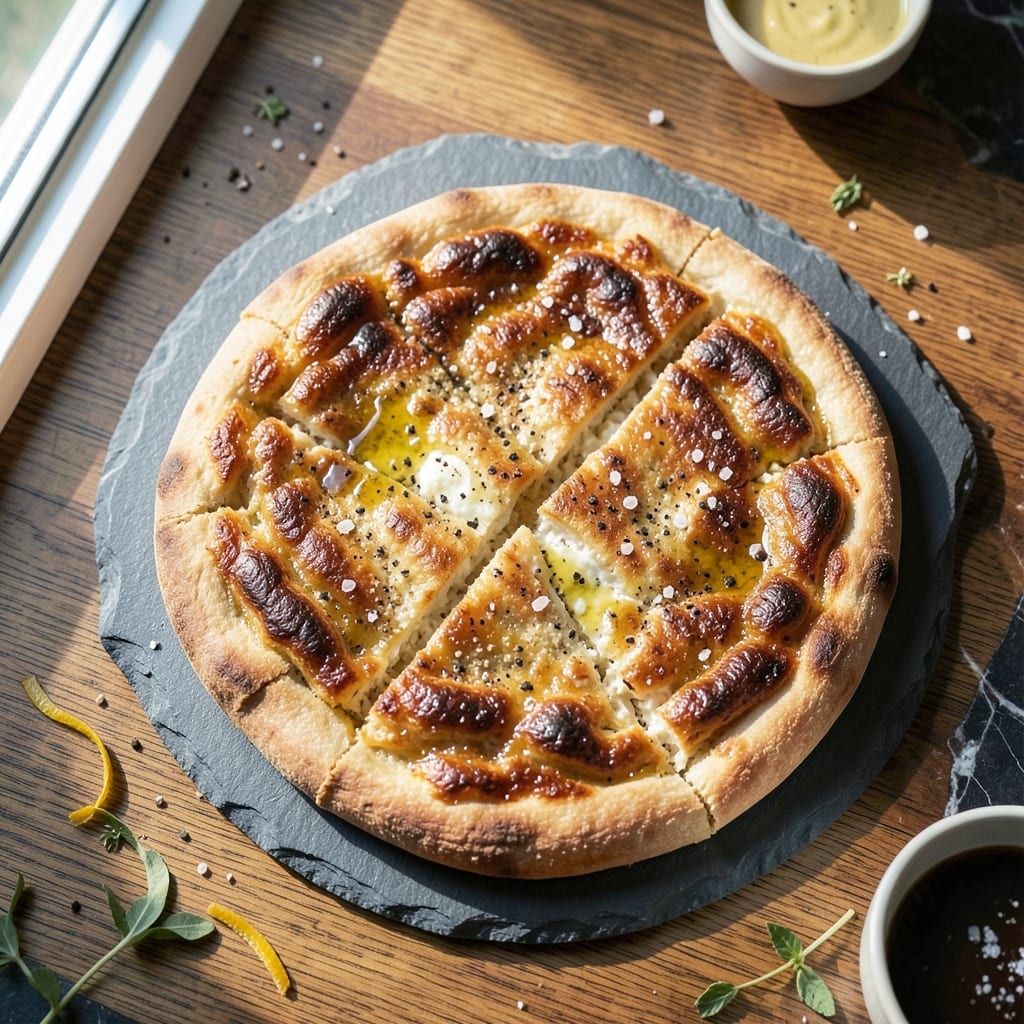
This cottage cheese egg almond flour flatbread delivers the perfect balance of crispy edges and soft, pillowy centers—ideal for breakfast or as a versatile side. The secret lies in blending cottage cheese for lightness with almond flour for nutty depth, creating a texture that’s both satisfying and easy to customize. Unlike traditional flatbreads, this version requires no yeast or long fermentation, making it a quick yet impressive dish for any meal.
The recipe combines simple ingredients—cottage cheese for moisture, eggs for structure, and almond flour for a delicate crunch—to create a flatbread that’s naturally gluten-free and packed with protein. With just 15 minutes of prep and 10 minutes in the oven, you’ll have golden, flaky flatbreads ready to serve with dips, spreads, or soups. The key is rolling the dough thinly and baking at high heat to achieve that signature crispness without drying out the center.
What sets this flatbread apart is its versatility—enjoy it warm with hummus, olive oil, or fresh herbs, or use it as a wrap for breakfast fillings. The cottage cheese adds a subtle tang, while the almond flour contributes a pleasant nuttiness that pairs beautifully with savory toppings. Whether you’re meal prepping or hosting a brunch, this recipe delivers restaurant-quality results with minimal effort.
For best results, ensure your almond flour is finely ground and chilled before mixing to prevent the dough from becoming too sticky. If you’re sensitive to cross-contamination, clean all surfaces and tools thoroughly, as almond flour can trigger allergies. Once baked, store leftovers in an airtight container for up to 3 days—they reheat beautifully in the oven or toaster.
Ingredients for cottage cheese egg almond flour flatbread
Simple ingredients crafting a gluten-free flatbread with crispy edges and pillowy centers—no yeast, no fuss.
| Ingredient | Amount | Notes |
|---|---|---|
| Large Eggs 🥚 | 2 whole | Room temperature for even mixing |
| Cottage Cheese 🧀 | 1 cup | Full-fat for best texture |
| Almond Flour 🌰 | 2 cups | Finely ground, chilled before use |
| Extra-Virgin Olive Oil 🫒 | ¼ cup | For dough binding and crisping |
| Diamond Crystal Kosher Salt 🧂 | ½ tsp | Fine grain preferred |
| Ground Black Pepper 🌶️ | ¼ tsp | Freshly ground for flavor |
| Baking Powder 🍞 | ½ tsp | For gentle leavening |
| Garlic Powder 🧄 | ½ tsp | For subtle savory depth |
| Fresh Rosemary 🌿 | 1 tbsp | Finely chopped, optional herb |
| Sesame Seeds 🌻 | 1 tbsp | For topping, toasted |
| Semolina Flour 🌾 | 1 tbsp | For dusting and texture |
The almond flour is non-negotiable here—Bob's Red Mill brand is my go-to for consistent texture. Grab the finely ground version from the baking aisle, not the super-fine almond meal, which can get gummy. Cottage cheese adds moisture without heaviness, but full-fat works best—low-fat versions can make the dough dry. For the eggs, room temperature is key; crack them into a bowl first to warm up while you mix. If you're sensitive to almond allergies, ensure your workspace is spotless—cross-contamination is a real risk with this flour.
No almond flour? Oat flour or more almond meal can stretch you thin, but the texture won't be identical. Skip the rosemary if you're not a fan—dried oregano at half the amount works too. Sesame seeds are optional but add crunch; toasted poppy seeds are a great swap. The olive oil matters here—use something fruity and peppery, not the cheap stuff. If your dough feels too sticky, chill it for 10-15 minutes before rolling. And yes, you can use a rolling pin, but a wine bottle works in a pinch.
Baked flatbreads keep 3 days in an airtight container at room temperature, but they're best fresh. Reheat in a 350°F oven for 3-5 minutes to restore crispness. Freeze extras between parchment paper for up to 3 months—thaw at room temp before reheating. For meal prep, bake a double batch and store halves in separate containers. The dough itself keeps 2 days in the fridge, covered tightly. Pro tip: Brush warm flatbreads with extra olive oil right after baking for that restaurant-quality shine.
Why You'll Love This Recipe
- No-Fuss Dough: I swear, this flatbread comes together with zero fuss—just whisk eggs, fold in cottage cheese, and mix with almond flour. No kneading, no resting, no waiting around. Honestly, I’ve made it while my coffee brewed, and it still turned out perfectly golden.
- Creamy-Crisp Magic: That contrast? Chef’s kiss. The outside gets this beautiful crackly crust from the olive oil and salt, while the inside stays tender and slightly tangy from the cottage cheese. It’s like a hug for your taste buds—rich but light, with just enough richness to make it satisfying.
- Breakfast to Snack: Between us, I’ve eaten this warm with honey and cinnamon for breakfast, stuffed with scrambled eggs, or even as a crispy wrap for leftover chicken. It’s that kind of reliable. And because it reheats like a dream, it’s my go-to for lazy mornings or unexpected snack cravings.
- Budget Meal Hack: Almond flour might seem pricey, but it stretches so far here—plus, cottage cheese is one of the cheapest proteins out there. I’ve made a whole batch for under $5 and fed my family for days. The leftovers? Just pop them in the toaster or air fryer for a quick, filling bite. No waste, all flavor.
Step-by-step instructions for cottage cheese egg almond flour flatbread
Here's how to craft these golden, crisp-edged flatbreads with tender centers—simple but packed with flavor.
Mix the Dough for Perfect Texture
In a large mixing bowl, combine the 2 whole Large Eggs and 1 cup Cottage Cheese. Whisk vigorously for 2 minutes until fully blended and smooth. The cottage cheese adds moisture and structure, while the eggs bind everything together. You'll notice the mixture thickens slightly as you work—this is normal and essential for that pillowy texture.
Next, add the 2 cups Almond Flour, 0.5 tsp Diamond Crystal Kosher Salt, 0.25 tsp Ground Black Pepper, 0.5 tsp Baking Powder, and 0.5 tsp Garlic Powder. Gently fold these dry ingredients into the wet mixture using a silicone spatula, being careful not to overmix. The dough should be thick but pliable, similar to a very stiff cookie dough. If it feels too dry, add 1 teaspoon of Extra-Virgin Olive Oil at a time until it comes together.
Incorporate Herbs and Rest for Improved Workability
Fold in the 1 tbsp Fresh Rosemary and 1 tbsp Sesame Seeds, reserving a small amount of seeds for topping later. The rosemary adds an aromatic depth that pairs beautifully with the nutty almond flour. Cover the bowl with plastic wrap and let the dough rest at room temperature for 15 minutes. This short rest period relaxes the gluten and makes the dough much easier to handle—trust me, you'll thank yourself later.
While the dough rests, lightly toast the reserved 1 tbsp Sesame Seeds in a dry skillet over medium heat for 1-2 minutes until golden and fragrant. This enhances their nutty flavor and gives them a crisp texture. Set them aside for topping the finished flatbreads.
Shape and Preheat for Crispy Edges
Preheat your oven to 375°F and line a baking sheet with parchment paper. Lightly dust your work surface and hands with 1 tbsp Semolina Flour—this prevents sticking and gives the flatbreads that signature rustic texture. Divide the dough into 4 equal portions (about 4 ounces each) and roll each into a 12-inch circle, keeping the edges slightly thicker than the center.
Here's the thing about these flatbreads—their crispy edges come from proper shaping. I press down gently on the outer edges with my fingers to create a slightly thicker border while keeping the center thinner. This ensures the edges crisp up beautifully while the center remains soft and pillowy. Transfer each shaped flatbread to the prepared baking sheet, spacing them about 1 inch apart.
Bake to Golden Perfection
Bake the flatbreads for 12-15 minutes until the edges are deep golden brown and the centers are just set but still slightly soft to the touch. The key is to watch closely—they cook quickly once they hit the oven. You'll see the edges start to crisp and pull away from the parchment paper, which is your signal they're nearly done.
For extra crispiness, I recommend broiling for 1-2 minutes at the end. Simply move the baking sheet to the top rack and broil until you see golden spots forming. Watch carefully to avoid burning. Remove from the oven and immediately sprinkle with the toasted sesame seeds while they're still warm. The seeds will stick to the slightly tacky surface, adding texture and flavor.
Serve Warm for Maximum Enjoyment
Let the flatbreads cool on the baking sheet for 2-3 minutes before transferring to a wire rack. They'll continue to crisp up as they cool, but serving them warm ensures that perfect contrast between the crispy edges and soft centers. These flatbreads are fantastic served with hummus, olive tapenade, or as a base for gourmet sandwiches.
Real talk: if you're making these ahead, store them in an airtight container at room temperature for up to 2 days. To reheat, simply pop them in a 350°F oven for 3-5 minutes until warmed through. The texture won't be quite as crisp, but they'll still be delicious. For the absolute best experience, though, enjoy them fresh from the oven while they're still warm and slightly crisp.
Pro Tips For Making Cottage Cheese Egg Almond Flour Flatbread
- STIR THE COTTAGE CHEESE: I learned this the hard way—blending cottage cheese until smooth prevents lumps that turn your flatbread into a textured nightmare. Use a fork first, then pulse in a food processor until it’s like thick Greek yogurt. No, it won’t taste the same if you skip this.
- PRESS THE DOUGH THIN: This isn’t a thick pancake—aim for ¼-inch thickness or less. Roll it out on parchment paper, then press down firmly with your palm (yes, even if it feels uneven). Thinner = faster cooking and crispier edges. If it cracks, just patch it with more dough.
- SALT THE ALMOND FLOUR: Diamond Crystal kosher salt is lighter than table salt—use twice what the recipe says. Sprinkle it directly into the almond flour before mixing, not after. I used to add it last and wondered why my flatbread tasted bland. (Your future self will notice.)
- USE A HEAVY SKILLET: Cast iron or stainless steel conducts heat better than nonstick, which means even browning and less sticking. Heat it until a drop of water sizzles violently, then add your flatbread—no need to baste it with oil. The residual fat in the cottage cheese and eggs will handle the crisping.
Perfect pairings for these flavors
Breakfast Spreads
These flatbreads shine with classic breakfast pairings like scrambled eggs and avocado mash. I love spreading ¼ cup mashed avocado with a pinch of Diamond Crystal Kosher Salt and ½ tsp lime juice on each warm flatbread. For extra protein, add 2 slices of smoked salmon or crumbled feta cheese. The nutty almond flour complements the creamy avocado perfectly, while the crisp edges hold up beautifully to wet toppings. 🥑
Savory Dips
Hummus is an obvious match, but I prefer whipped feta dip for a tangy contrast. Mix ½ cup whipped feta cheese with 1 tbsp lemon juice, 1 tbsp chopped fresh dill, and ½ tsp garlic powder. Spread on warm flatbreads and top with sliced cucumbers or cherry tomatoes. For a smoky option, try roasted red pepper hummus—its sweetness balances the flatbread's subtle rosemary notes. 🧀
Mediterranean Pairings
Transform your flatbreads into a Mediterranean feast by pairing them with olive tapenade and marinated artichokes. Spread 2 tbsp olive tapenade on each flatbread, then top with ¼ cup marinated artichoke hearts and 2 tbsp crumbled feta. The salty, briny flavors cut through the flatbread's richness, while the sesame seeds add a satisfying crunch. Serve with a side of tzatziki for dipping. 🫒
Sweet Variations
Don't stop at savory—these flatbreads work surprisingly well with sweet toppings! Spread 2 tbsp almond butter and drizzle with 1 tsp honey, then top with sliced banana or chopped dates. The nutty almond flour pairs beautifully with the sweetness, creating a dessert-like treat. For a more indulgent option, add a sprinkle of dark chocolate chips or crushed pistachios after baking. 🍯
Global Flavors
Take your flatbreads on a culinary journey by experimenting with global flavors. For an Indian-inspired twist, serve with mint chutney and sliced cucumbers. For a Middle Eastern vibe, pair with labneh and za'atar. Even peanut sauce (mix 2 tbsp peanut butter, 1 tsp soy sauce, and 1 tsp lime juice) adds a bold, unexpected flavor. The flatbread's neutral base lets these global flavors shine. 🌍
Cheese Platter Pairings
Elevate a cheese platter by using these flatbreads as a base. Spread with 2 tbsp herbed goat cheese, then top with sliced pear and walnuts. The flatbread's crisp edges contrast beautifully with the creamy cheese, while the almond flour adds a subtle nuttiness. For a more decadent option, layer with brie and fig jam, then broil for 1-2 minutes until the cheese melts. 🧀✨
Nutrition facts
Frequently asked questions
Can I make this flatbread without almond flour?
Yes, but the texture will change. Replace the 2 cups almond flour with 1.5 cups oat flour and 0.5 cups coconut flour for a similar consistency. The flatbread will be slightly denser but still delicious. For a nut-free option, use 2 cups gluten-free all-purpose flour and add 1 extra egg to maintain structure.
Why does my dough feel too sticky?
Sticky dough usually means the almond flour needs more moisture control. Chill the dough for 15-20 minutes before rolling, or add 1 extra tablespoon of almond flour at a time until it becomes workable. If it's still too wet, try adding 1 teaspoon of psyllium husk powder to absorb excess moisture. Always dust your surface with semolina flour when rolling.
Can I bake these flatbreads without an oven?
For a stovetop version, heat a cast-iron skillet over medium-high heat until very hot. Add 1 teaspoon of olive oil, then place a shaped flatbread in the pan. Cook for 2-3 minutes per side until golden brown and crispy. For a griddle method, cook at medium heat for 3-4 minutes per side. The edges may be slightly less crisp than oven-baked, but they'll still be delicious.
How do I prevent the flatbreads from getting too dry?
Over-baking is the most common cause. Remove flatbreads when the edges are golden but the centers are still slightly soft (12-15 minutes at 375°F). For extra moisture, brush warm flatbreads with a little olive oil after baking. If storing, keep them in an airtight container with a paper towel to absorb any excess moisture. Reheat in a 350°F oven for 3-5 minutes to restore crispness.
Can I add cheese to these flatbreads?
Yes! Feta, goat cheese, or shredded mozzarella work beautifully. Sprinkle 2 tablespoons of cheese on each flatbread before baking, or add it after baking for a melted effect. For extra flavor, mix cheese with herbs like dried oregano or sun-dried tomatoes. The cottage cheese in the dough already adds creaminess, so don't overdo it—1-2 tablespoons per flatbread is plenty.