
Breakfast & Brunch
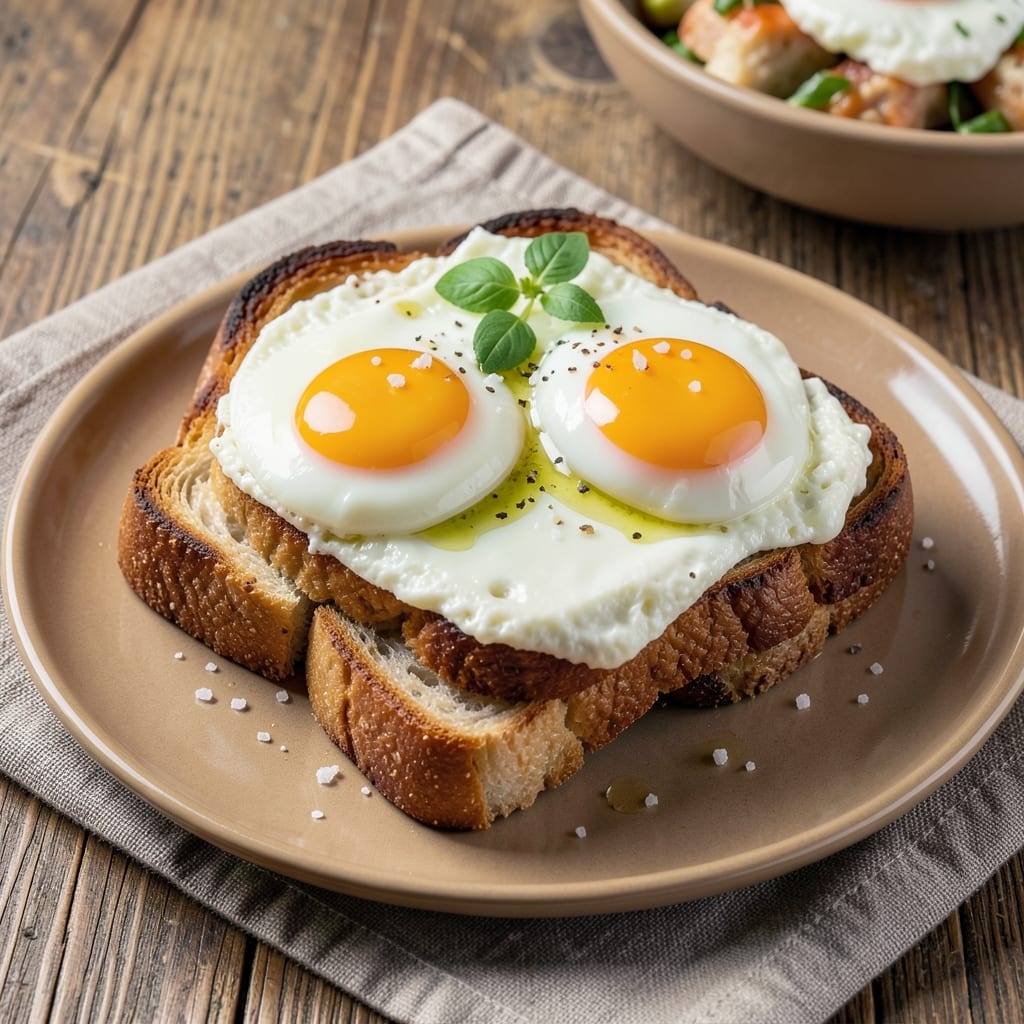
This cottage cheese egg toast recipe transforms simple ingredients into a breakfast masterpiece where crispy toast meets creamy yolk rivers and velvety cottage cheese. The secret lies in perfectly toasted bread, eggs cooked to your ideal doneness, and a spread of cottage cheese that adds a tangy, protein-packed richness. I developed this after years of experimenting with breakfast combinations—this one delivers restaurant-quality results without the fuss.
The beauty of this dish is its versatility. You can fry, poach, or even scramble your eggs, depending on your preference, while the cottage cheese adds a unique texture and flavor that elevates the classic egg sandwich. The key is in the preparation: crisp the bread just enough to hold up to the creamy toppings, then layer everything with care for that satisfying first bite. It’s a foolproof method that works for both weekdays and weekend brunches.
What you’ll end up with is a dish that’s visually stunning and impossibly satisfying—golden toast, runny yolks, and a dollop of cottage cheese that ties it all together. The combination of textures and flavors makes it a standout meal, perfect for those who love a hearty yet balanced breakfast. Whether you’re meal prepping or cooking on the fly, this recipe delivers every time.
This version is vegetarian, high-protein, and packed with flavor, making it a great option for anyone looking to start their day right. The presentation is just as important as the taste, so I’ll share tips for garnishing and plating that will make your dish look as good as it tastes. Let’s get started!
Ingredients for cottage cheese egg toast
Simple ingredients that transform into a restaurant-worthy breakfast masterpiece.
| Ingredient | Amount | Notes |
|---|---|---|
| Sourdough Bread 🍞 | 4 slices | Crusty, thick-cut preferred |
| Large Eggs 🥚 | 2 whole | Room temperature for even cooking |
| Cottage Cheese 🧀 | ½ cup | Full-fat for creaminess |
| Unsalted Butter 🧈 | 2 tbsp | Salted works too |
| Extra-Virgin Olive Oil 🫒 | 1 tbsp | For egg cooking |
| Flaky Sea Salt 🧂 | ½ tsp | For finishing |
| Freshly Ground Black Pepper 🌶️ | ¼ tsp | Freshly cracked preferred |
| Red Pepper Flakes 🌶️ | ¼ tsp | Optional for heat |
| Fresh Chives 🌿 | 2 tbsp | Chopped for garnish |
| Lemon Juice 🍋 | ½ tsp | Brightens cottage cheese |
| Garlic Powder 🧄 | ¼ tsp | For extra flavor |
The bread is your foundation—sourdough gives that perfect chewy crust, but any sturdy bread works. Toast it until golden brown, but not burnt. Whole Foods or Trader Joe's carry great crusty loaves, or grab a baguette if you're feeling fancy. Cottage cheese is non-negotiable here; full-fat melts beautifully and adds that creamy texture. I always grab the organic 2% or whole milk variety—it's worth the extra dollar for that velvety mouthfeel. Eggs should be room temperature for even cooking, so take them out of the fridge 10 minutes before you start.
No sourdough? Brioche or even good-quality white bread works in a pinch—just make sure it's thick enough to hold up to the toppings. For the eggs, you can't go wrong with fried, but if you're short on time, poached or scrambled eggs still deliver. The cottage cheese can be thinned with a splash of milk if it's too thick. Almond milk or oat milk work great if you want to keep it dairy-light. Red pepper flakes are optional, but I always keep some on hand—just a pinch adds a nice kick without overpowering. Fresh chives add brightness, but dried chives or parsley work if that's what you've got.
Toast keeps best in an airtight container for 2 days, but honestly, it's better fresh. Eggs should be cooked within 1 hour of cracking for perfect yolks. Cottage cheese lasts 1 week in the fridge, but I usually finish the tub in 3 days. For meal prep, toast the bread ahead and store it separately—assemble everything right before eating to keep the bread crispy. The leftovers? Freeze the cottage cheese in an ice cube tray for quick portions later.
Why You'll Love This Recipe
- Here’s what sold me: that crispy toast edge with the runny yolk pooling into the cottage cheese’s tang. It’s like a breakfast charcuterie board in one bite—salty, rich, and just enough bite from the sourdough crust. Honestly, I’ll take this over avocado toast any day.
- Five-Ingredient Magic: I swear by this—just toast, crack an egg, dollop cottage cheese, and butter it. That’s it. No chopping, no measuring cups, no stress. The sourdough soaks up the egg yolk like a dream, and the cottage cheese adds this weirdly perfect tangy creaminess without extra work.
- Creamy Crunch Perfection: Here’s what sold me: that crispy toast edge with the runny yolk pooling into the cottage cheese’s tang. It’s like a breakfast charcuterie board in one bite—salty, rich, and just enough bite from the sourdough crust. Honestly, I’ll take this over avocado toast any day.
- Lunchbox Hero: Between us, this is my go-to for meal prep. Toast the bread ahead, store the eggs and cottage cheese separately, and assemble in minutes. Pack it cold or warm it up—it’s foolproof for work lunches or lazy Sundays when you’re not in the mood to cook. My daughter picks out the cottage cheese first, but still asks for seconds.
Step-by-step instructions for cottage cheese egg toast
Here's how to create the perfect balance of crispy sourdough and velvety cottage cheese with runny yolks.
Toast the Sourdough to Golden Perfection
Preheat your oven to 375°F. Place the 4 slices of sourdough bread directly on the oven rack for even toasting. Bake for 5-7 minutes until the edges are deep golden brown and the crust has that satisfying crunch. The bread should be warm all the way through—press gently to confirm it's toasted to your liking.
Here's the thing—don't walk away. I've seen people burn their toast waiting for the perfect color. Watch closely after 4 minutes and rotate the pan if needed for even browning. The goal is that crispy crust that contrasts beautifully with the soft cottage cheese layer we're about to add.
Prepare the Cottage Cheese Mixture
In a small bowl, combine the ½ cup cottage cheese, ½ teaspoon lemon juice, ¼ teaspoon garlic powder, and ¼ teaspoon freshly ground black pepper. Mix until smooth—you want to break up any large curds for that creamy texture. The lemon juice brightens the flavor while keeping the cottage cheese from tasting too heavy.
Let this mixture sit at room temperature for 5 minutes while your eggs cook. This small step makes a big difference in the final texture. I know it seems like a short wait, but trust me—it helps the cottage cheese spread more evenly and blend better with the eggs later.
Cook the Eggs to Your Preferred Doneness
Heat 1 tablespoon extra-virgin olive oil in a non-stick skillet over medium-low heat. Crack the 2 whole eggs directly into the pan, leaving space between them. Cook for 2-3 minutes for runny yolks or 3-4 minutes for slightly firmer yolks. You'll know they're ready when the whites are set but still slightly translucent around the edges.
Don't overcrowd the pan—this is where many people mess up. If you're making more than two eggs, cook them in batches. The residual heat from the pan will keep them warm while you finish the rest. For extra flavor, sprinkle a pinch of red pepper flakes around the edges of the pan before adding the eggs.
Assemble the Toast with Perfect Layers
Remove the eggs from heat and let them sit for 30 seconds to firm up slightly. Spread ¼ cup of the cottage cheese mixture evenly over each slice of toasted bread. Then, place one egg on top of each, letting the yolk nestle into the cottage cheese. The heat from the egg will help the cottage cheese soften slightly and blend with the yolk.
Here's where it gets fun—sprinkle the remaining cottage cheese mixture over the eggs, then top with 2 tablespoons chopped fresh chives. The chives add a fresh, bright note that cuts through the richness of the eggs and cottage cheese. Press down gently on the eggs to help them stick slightly to the toast.
Finish with Butter and Seasoning
Return the assembled toasts to the oven for 1-2 minutes just to melt everything together slightly. While they warm, melt the 2 tablespoons unsalted butter in a small saucepan over low heat. Once melted, remove from heat and stir in the remaining ½ teaspoon flaky sea salt.
Drizzle the salty butter over each toast, letting it pool around the edges. The butter adds another layer of richness that ties everything together. Serve immediately while the eggs are still warm and the yolk is perfectly runny. Each bite should deliver that perfect contrast of crispy toast, creamy cottage cheese, and rich egg yolk.
Pro Tips For Making Cottage Cheese Egg Toast
- TOAST UNTIL GOLDEN: Use a dry pan or toaster oven—no butter—until the sourdough hits deep golden, almost caramelized spots. I learned this the hard way: soggy toast ruins the whole dish, and skipping the butter here keeps the crust crisp while letting the egg and cheese shine.
- WHISK COTTAGE CHEESE FIRST: Break up the cottage cheese with a fork, then give it a quick whisk with a splash of cold water (1-2 tablespoons) to smooth it out. This prevents lumps in your egg mixture and makes for a cleaner, more professional-looking spread—no one wants cottage cheese chunks in their egg toast.
- DON’T OVERMIX THE EGGS: Crack the eggs into a bowl, add a pinch of salt, and stir just until combined—maybe 10 seconds. Overmixing makes the eggs tough, and since you’re toasting, not scrambling, you want them tender. I used to beat them like pancake batter and wondered why the texture was off.
- BUTTER THE PAN AFTER HEATING: Let the pan (or skillet) get ripping hot, then wipe it clean and add a thin layer of butter—just enough to coat. This ensures the egg cooks evenly without sticking, and the butter’s flavor carries through the toast. Skip this, and you’ll be scraping eggs off the bottom like a rookie.
Storing and reheating this recipe
Toast Storage Secrets
Toast loses its crispiness fast, so store it in a single-layer stack between parchment paper in an airtight container at room temperature for up to 2 hours. For longer storage, wrap each slice individually in aluminum foil and refrigerate for 1 day—just reheat in a toaster or oven for 1-2 minutes at 350°F to restore crispness. I swear by this method for keeping my toast ready for quick egg toast assembly. 🔥
Egg Prep Ahead
Cook eggs just before assembling for perfect runny yolks, but you can prep components separately. Poach eggs ahead and store them in an ice bath for up to 2 days—reheat in warm water for 30 seconds before using. For fried eggs, cook them slightly underdone (whites set but yolks still jiggly) and refrigerate for no more than 1 hour to prevent overcooking. 🥚
Cottage Cheese Makeover
Mix cottage cheese with lemon juice and garlic powder ahead of time and store in a small airtight container for 3 days in the fridge. The flavors meld beautifully! For meal prep, portion cottage cheese into silicone ice cube trays, freeze, then transfer to a bag—perfect for quick dollops later. Thaw overnight in the fridge for best texture. 🧀
Reheating Leftovers
Assembled toasts reheat best in a toaster oven for 1-2 minutes at 375°F—just enough to warm through without drying out. For stovetop reheating, place toast in a dry pan over low heat for 30 seconds per side, then cover to melt the cottage cheese. Avoid microwaving: it turns the toast soggy and ruins the egg texture. ✨
Freezing Tips
While not ideal for perfect texture, you can freeze unassembled components for 1 month: toast separately, eggs in a sealed container, and cottage cheese mixture in portions. Thaw everything overnight in the fridge, then assemble fresh. I’ve found this works best for scrambled egg versions rather than fried—just don’t expect the same crispy perfection as fresh. ❄️
Pro Assembly Hack
For meal prep, assemble toasts without the eggs—store toast and cottage cheese mixture separately. When ready to eat, cook fresh eggs and assemble right before serving. This keeps the bread crispy and eggs perfectly runny. I use mason jars to store components neatly in the fridge for easy grabbing. 💡
Nutrition facts
Frequently asked questions
Can I use low-fat cottage cheese in this recipe?
You can, but expect a slightly different texture. Low-fat cottage cheese is less creamy and may not blend as smoothly with the eggs. For best results, stick with full-fat or 2% cottage cheese—it melts beautifully and adds that velvety mouthfeel. If you're watching calories, try a 50/50 mix with Greek yogurt for creaminess with slightly less fat.
What's the best bread for this recipe?
Look for crusty, sturdy breads that hold up to toppings. Sourdough or brioche are ideal—they toast beautifully and provide that perfect chewy texture. Avoid soft breads like white sandwich bread, as they'll get soggy under the cottage cheese and egg. A baguette or Italian loaf also works if you cut thick slices.
How do I keep my eggs from sticking to the pan?
Use a non-stick skillet and make sure it's properly heated before adding oil. Crack eggs directly into the pan (no pre-oiling the eggs) and cook over medium-low heat. If needed, add a tiny bit more oil to the pan while cooking. A well-seasoned cast iron skillet also works beautifully—just make sure it's hot before adding the eggs.
Can I make this vegetarian and vegan?
This recipe is already vegetarian! For a vegan version, replace eggs with tofu scramble or chickpea flour "eggs", and use vegan butter and plant-based cottage cheese (like almond or coconut-based). The toast and seasonings remain the same. The texture will differ, but it's still delicious with a protein-packed twist.
Why did my cottage cheese get watery?
This usually happens if the cottage cheese was too warm when mixed or if you didn't strain excess liquid. Use room-temperature cottage cheese and let it sit for 5 minutes before mixing. For extra thickness, line a strainer with cheesecloth and let the cottage cheese drain for 10 minutes before using. Chill the mixture afterward to help it firm up.