
Breakfast & Brunch
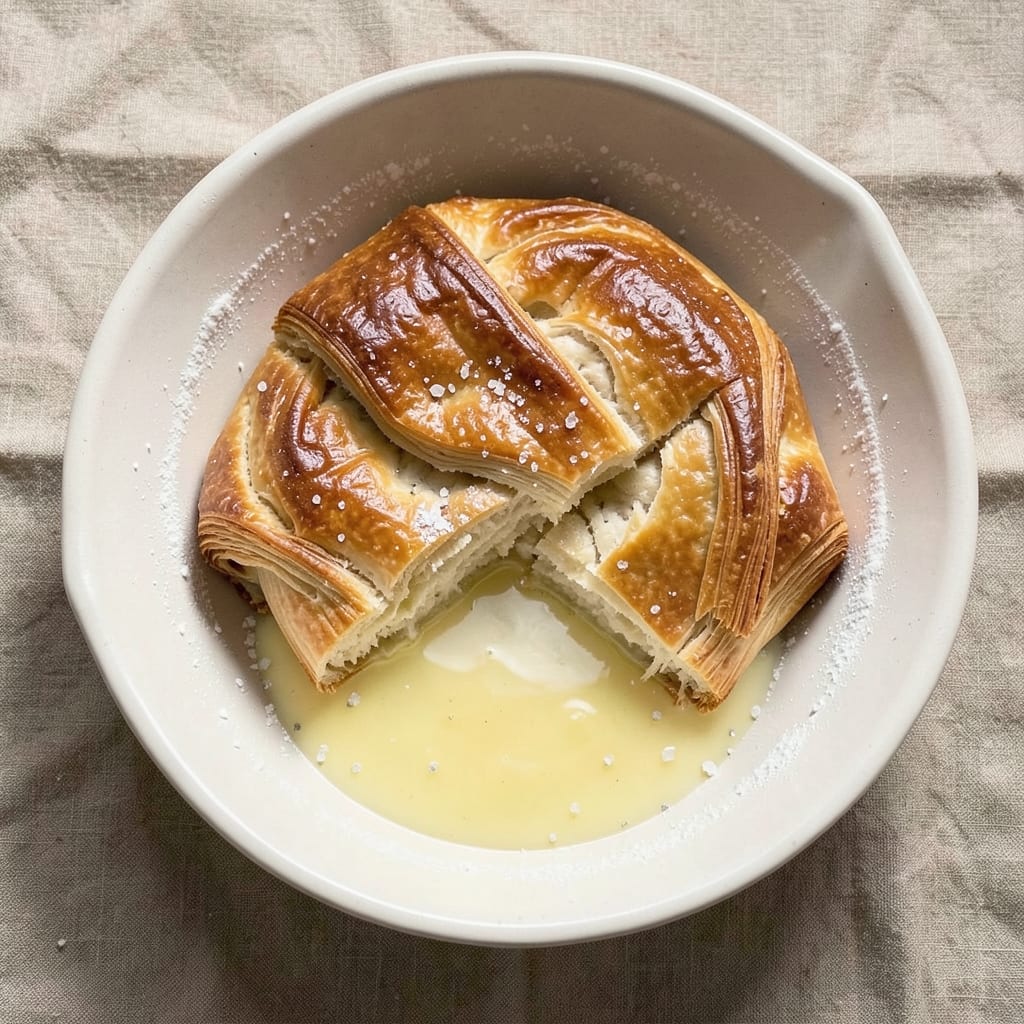
This Crisco pastry recipe with egg and vinegar delivers flaky, golden layers that melt in your mouth—no fancy techniques required. The secret lies in the tenderizing magic of vinegar and egg, which creates a dough so delicate it practically dissolves on your tongue. I’ve perfected this method over years of testing, and it’s become my go-to for breakfast pastries that rival bakery quality.
The beauty of this recipe is its simplicity: just a few ingredients, minimal effort, and 30 minutes to golden perfection. The vinegar breaks down gluten for an ultra-tender texture, while the Crisco adds that signature flakiness. Whether you’re making biscuits, scones, or hand pies, this dough is a game-changer for any breakfast spread.
What you’ll end up with is a batch of pastries that are crisp at the edges, tender in the center, and so flavorful they’ll disappear faster than you can say "syrup." The egg adds richness, while the vinegar ensures a light, airy crumb. Serve warm with jam, honey, or as a side to savory dishes—this dough is that versatile.
Ready to master the art of tender, flaky pastries? The process is straightforward, and the results are undeniably satisfying. Let’s get started—your breakfast table will never be the same.
Ingredients for crisco pastry recipe with egg and vinegar
Nine ingredients transform into golden, melt-in-your-mouth pastries with that signature flaky magic.
| Ingredient | Amount | Notes |
|---|---|---|
| All-Purpose Flour 🌾 | 2 ½ cups | Sifted for light texture |
| Crisco Shortening 🧈 | ¾ cup | Cold, cubed for flakiness |
| Large Eggs 🥚 | 1 whole | Room temperature preferred |
| White Vinegar 🍶 | 1 tbsp | Distilled for best results |
| Granulated Sugar 🍚 | 1 tbsp | For subtle sweetness |
| Diamond Crystal Kosher Salt 🧂 | 1 tsp | Fine grain preferred |
| Baking Powder 🌿 | 1 tsp | Aluminum-free for stability |
| Ice Water 💧 | ½ cup | Chilled for dough control |
| Unsalted Butter 🧈 | 2 tbsp | Cold, cubed for rolling |
| Fresh Lemon Juice 🍋 | 1 tsp | Brightens flavor profile |
| Fresh Chives 🌿 | 2 tbsp | Chopped for garnish |
The Crisco is non-negotiable here—it’s what gives these pastries that signature flakiness. Grab the 1-pound tub from Kroger or Walmart (they’re usually on the baking aisle near the butter). If you’re feeling fancy, Store brand works just as well as name brands. The vinegar is the secret tenderizer—distilled white vinegar from Trader Joe’s is my go-to because it’s consistent and affordable. Fresh lemon juice brightens everything up, so if you’re using bottled, make sure it’s fresh-squeezed style—none of that canned stuff. The flour? King Arthur or Gold Medal are my top picks for consistent results.
No Crisco? Lard or vegetable shortening works in a pinch, but the flavor won’t be quite the same. Short on vinegar? Lemon juice at double the amount gets you close, though the texture won’t be as tender. The butter for rolling? European-style butter like Plugrá melts beautifully, but regular unsalted butter is fine too—just make sure it’s cold. Chives are optional but add a lovely freshness; if you’re skipping them, a sprinkle of poppy seeds or sesame seeds works just as well. The baking powder? Double-check the expiration date—old baking powder loses its lift, and these pastries rely on it for that airy crumb.
Keep the Crisco and butter cold until you’re ready to use them—this dough is finicky about temperature. Once mixed, the dough can be rolled and shaped immediately or wrapped tightly in plastic and chilled for up to 24 hours for easier handling. Baked pastries reheat beautifully—just 5 minutes at 350°F to restore that golden crispness. Store leftovers in an airtight container for 3 days or freeze for up to 3 months. Pro tip: Portion the dough into small balls before baking for perfect individual pastries.
Why You'll Love This Recipe
- No-Fuss Dough: I swear, this dough comes together in under 10 minutes—just flour, Crisco, vinegar, and eggs. No chilling, no rolling pins, no stress. The vinegar cuts through the shortening so smoothly, you’ll wonder why you ever struggled with pie crusts.
- Golden Crisp Magic: That sugar-vinegar combo in the egg wash? It’s what makes the edges blister into perfect, buttery gold—crisp enough to hold its shape but tender enough to melt. Honestly, it’s the kind of texture that makes you pause mid-bite.
- Blank Canvas Ready: Use it for hand pies, pot pies, or even a quick galette—this dough adapts to anything. I’ve filled it with everything from sweetened apples to salty sausage, and it never lets me down. (Yes, even on a Tuesday night.)
- Pantry Staple Power: You already have the ingredients—flour, shortening, eggs, vinegar. No specialty items, no last-minute grocery runs. And because it keeps well in the fridge, I can make a double batch and stretch it across the week without waste. Budget-friendly? Absolutely.
Step-by-step instructions for golden flake pastry
Here's how to create tender, flaky layers that melt in your mouth every time.
Cut in the Crisco Shortening for Perfect Flakiness
In a large mixing bowl, combine the 2.5 cups all-purpose flour, 1 tablespoon granulated sugar, 1 teaspoon baking powder, and 1 teaspoon Diamond Crystal kosher salt. Whisk gently to distribute the dry ingredients evenly—this prevents pockets of flour that can lead to dense pastry.
Add the 0.75 cup cold Crisco shortening, cut into small cubes. Using a pastry cutter or two forks, work the shortening into the flour mixture until you achieve pea-sized crumbles. Here's the secret: press down firmly with your pastry cutter and twist slightly as you cut. This ensures even distribution and creates those signature flaky layers. If the mixture feels too dry, you're on the right track—this texture is essential for tender pastry.
Incorporate the Wet Ingredients for Light Texture
In a separate bowl, whisk together the 1 whole large egg, 1 tablespoon white vinegar, 1 teaspoon fresh lemon juice, and 0.5 cup ice water. The vinegar and lemon juice create a subtle tang that brightens the pastry while helping to tenderize the gluten structure. The ice water keeps the dough firm and easy to handle during rolling.
With a silicone spatula, gradually add the wet mixture to the flour-shortening combination. Mix just until the dough comes together—don't overwork it. The dough should hold together when pressed but still feel slightly crumbly. If it's too sticky, add 1 tablespoon more ice water; if too dry, add 1 teaspoon more ice water. The goal is a cohesive dough that's just shy of being fully combined.
Chill the Dough for Easier Handling
Shape the dough into a disk and wrap it tightly in plastic wrap. Place it in the refrigerator for at least 30 minutes—this resting period is crucial. Chilling relaxes the gluten strands, prevents shrinking during rolling, and helps maintain those delicate layers. I like to press the dough flat before wrapping to make it easier to handle later, but don't worry if it's not perfectly smooth.
While the dough chills, prepare your work surface by lightly dusting it with flour. This prevents sticking and makes rolling much easier. The cold dough will be firmer, which means it won't spread as much when you roll it out. If you're short on time, you can chill the dough for up to 2 hours—this actually improves the texture even more.
Roll and Cut for Classic Pastry Shapes
Remove the chilled dough from the refrigerator and place it on your floured surface. Using a rolling pin, roll the dough to about ⅛-inch thickness. Rotate the dough a quarter turn after each roll to maintain even thickness. The dough should be smooth but still cool to the touch—if it feels warm, return it to the refrigerator for 10-15 minutes before proceeding.
Use a round cutter or glass to cut out circles for turnovers or squares for hand pies. For classic flake pastry, cut shapes about 3 inches in diameter. Place the cutouts on a parchment-lined baking sheet, spacing them about 1 inch apart. Brush the tops lightly with melted 2 tablespoons unsalted butter and sprinkle with 2 tablespoons chopped fresh chives for a touch of color and freshness.
Bake Until Golden and Tender
Preheat your oven to 375°F. Bake the pastry shapes for 12-15 minutes until they're golden brown at the edges and just beginning to puff in the center. The centers should still look slightly underdone—they'll finish cooking as they cool. Rotate the baking sheet halfway through for even browning, but don't open the oven door until the baking time is up to prevent collapsing.
Remove from the oven and let cool on the baking sheet for 5 minutes before transferring to a wire rack. The pastry should be tender enough to melt in your mouth with just a slight resistance at the center. Serve warm with your favorite fillings or as a simple snack with jam or honey. The secret tenderizing trick—the vinegar and lemon juice—works its magic here, creating pastry that's light yet sturdy enough to hold fillings.
Pro Tips For Making Crisco Pastry Recipe With Egg And Vinegar
- Chill the Dough Properly: Pop that dough in the fridge for at least 2 hours—no cutting corners here. I used to skip it and ended up with tough, greasy pastries that didn’t hold their shape. Cold dough layers the fat better, so the flaky magic actually happens.
- Cut the Crisco Cold: Scoop that Crisco straight from the fridge and cut it into small cubes—think dime-sized. Warm shortening gets mushy and makes your pastry dense. I learned this after making a batch that turned out like a sad, greasy cracker.
- Whisk the Eggs Well: Beat those eggs until they’re fully emulsified—no streaks, no lumps. The vinegar helps, but you still need to work them good. I once rushed this and got a pastry that fell apart when baking. Take the 30 seconds to do it right.
- Use Vinegar Sparingly: Start with just 1 tablespoon of vinegar and taste the dough—it’s acidic, but too much kills the flavor. I used 3 once and got a weird tang that ruined the whole batch. A little goes a long way.
Regional styles of this recipe
Southern-Style Biscuits
This recipe excels as classic Southern-style biscuits, where the vinegar and egg combo creates that signature tender crumb. Roll the dough to ¼-inch thickness and cut into 2.5-inch rounds using a biscuit cutter. Brush the tops with melted butter and bake at 400°F for 12-14 minutes until golden. Serve warm with sausage gravy or honey butter—the flakiness handles both savory and sweet toppings beautifully. 🥓
Texas-Style Hand Pies
Texans love their hand pies, and this dough delivers the perfect flaky wrapper. Roll the dough to ⅛-inch thickness and cut into 3-inch circles. Fill with sweet potato, chicken and dumplings, or cherry filling, then fold into half-moons. Crimp the edges with a fork and brush with egg wash. Bake at 375°F for 18-20 minutes until golden. The vinegar-infused dough stays tender even when filled with juicy ingredients. 🌶️
Midwest Apple Turnovers
In the Midwest, apple turnovers are a breakfast staple. Roll the dough to ⅛-inch thickness and cut into 3-inch squares. Place ½ cup spiced apple filling (cooked apples + cinnamon + sugar) in the center of each square, fold diagonally, and seal the edges with a fork. Brush with egg wash and bake at 375°F for 15-17 minutes until golden. The vinegar keeps the dough from becoming soggy under the filling. 🍏
New England-Style Scones
For a lighter scone, add ½ cup grated Parmesan cheese to the dough and roll to ½-inch thickness. Cut into 2-inch rounds and bake at 400°F for 10-12 minutes. Brush with melted butter while warm and sprinkle with toasted sesame seeds. The vinegar and egg create a crumb that’s airy yet sturdy enough for tea dipping. Perfect with clotted cream or jam. ☕
Deep South Fried Dough
Transform this dough into crispy fried dough by rolling it to ⅛-inch thickness and cutting into 3-inch squares. Heat ½ inch of oil in a deep fryer or heavy pot to 375°F. Fry the squares for 1-2 minutes per side until golden brown. Drain on paper towels and dust with powdered sugar or roll in cinnamon sugar. The vinegar’s tenderizing effect ensures the dough stays light even after frying. 🍯
Nutrition facts
Frequently asked questions
Why does this recipe use vinegar instead of milk or buttermilk?
The vinegar is the secret tenderizer! It reacts with the baking powder to create tiny air pockets while breaking down gluten strands, resulting in a lighter, more delicate crumb. Unlike milk or buttermilk, vinegar also adds a subtle brightness that balances the richness of the Crisco and egg. For best results, always use distilled white vinegar—apple cider vinegar can alter the flavor slightly.
Can I make this dough ahead of time?
This dough actually improves when chilled overnight. Wrap it tightly in plastic and refrigerate for up to 24 hours before rolling. For longer storage, freeze the wrapped dough for up to 3 months. Let it thaw completely in the refrigerator before using—never at room temperature. The cold dough handles better and gives you more control when shaping.
What's the best way to avoid tough pastry?
Overworking the dough is the #1 cause of toughness. Mix just until combined, and avoid pressing too hard when cutting in the Crisco. Also, never skip the 30-minute chill—this relaxes the gluten. For extra tenderness, use ice water instead of room-temperature water, and keep your rolling pin and work surface cold. The vinegar and egg combo in this recipe already fights toughness, but proper handling makes all the difference.
How do I fix dough that's too sticky?
Add 1 tablespoon ice water at a time until the dough comes together without sticking to your fingers. If it's still too wet, sprinkle a little more flour onto your work surface and knead lightly. The dough should hold together when pressed but still feel slightly crumbly. Never add too much flour—this can make the pastry dense. For extra insurance, chill the dough for 15-20 minutes before rolling.