
Breakfast & Brunch
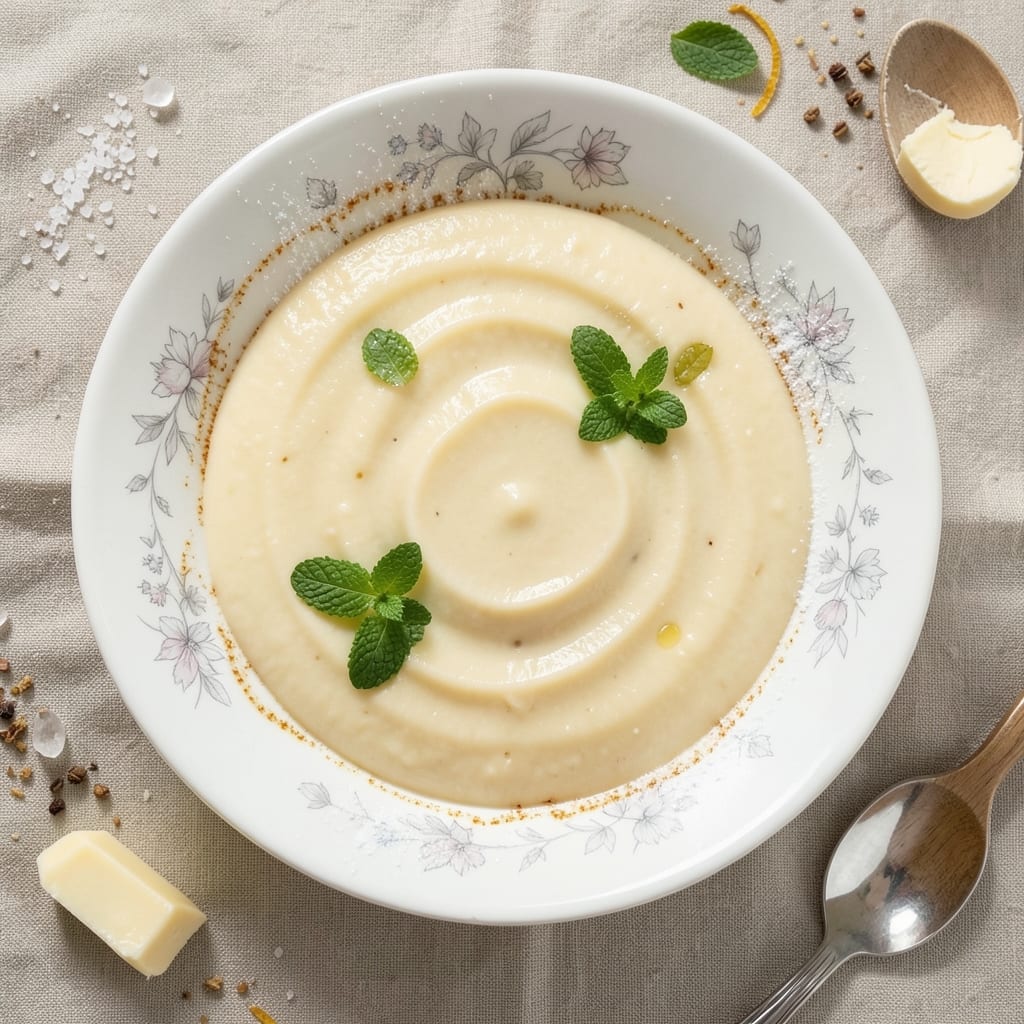
This custard powder and egg recipe transforms simple ingredients into a velvety breakfast pudding that’s ready in minutes. The secret lies in custard powder’s thickening power combined with eggs’ natural richness, creating a texture that’s impossibly smooth yet sturdy enough to set. I’ve perfected this method over years of testing—no overcooking, no lumps, just a dish that feels like a restaurant dessert but takes less than 30 minutes.
The magic happens when custard powder dissolves completely into warm milk before eggs are whisked in gently. This ensures a silky, creamy consistency without graininess, while a light cornstarch slurry adds just enough body to hold its shape. The result? A dish that’s elegant enough for brunch but effortless enough for a weeknight treat.
What you’ll end up with is a golden, jiggly pudding that’s warm and inviting—perfect for serving with fresh berries, a drizzle of honey, or a sprinkle of cinnamon. The custard powder eliminates the need for constant stirring, making this a foolproof method for beginners and experienced cooks alike. No special equipment required, just a saucepan and patience for the eggs to temper properly.
This recipe scales beautifully for parties or meal prep, and leftovers reheat smoothly (though fresh is always best). The custard powder’s vanilla notes shine through, while the eggs provide structure and depth. Whether you’re hosting or craving something comforting, this pudding delivers restaurant-quality results with minimal effort.
Ingredients for custard powder and egg
Twelve ingredients transform into a restaurant-worthy custard pudding with velvety texture and golden finish.
| Ingredient | Amount | Notes |
|---|---|---|
| Custard Powder 🍮 | ½ cup | High-quality, vanilla-infused preferred |
| Large Eggs 🥚 | 4 whole | Room temperature for even cooking |
| Whole Milk 🥛 | 2 cups | Full-fat for optimal creaminess |
| Granulated Sugar 🍚 | ¼ cup | Adjust to taste for sweetness |
| Cornstarch 🌾 | 1 tbsp | Light slurry for texture |
| Unsalted Butter 🧈 | 2 tbsp | Cold, cubed for even melting |
| Vanilla Extract 🌿 | 1 tsp | Pure, high-quality extract |
| Salt 🧂 | ¼ tsp | Fine sea salt preferred |
| Fresh Berries 🍓 | ½ cup | For garnish, optional |
| Honey 🍯 | 2 tbsp | Raw honey for drizzling |
| Ground Cinnamon 🌶️ | ½ tsp | Freshly ground preferred |
| Heavy Cream 🥛 | ¼ cup | Optional for extra richness |
The custard powder is the cornerstone of this recipe—Bob’s Red Mill or Swanson brands are my go-to for consistent results. Look for vanilla-infused varieties if available, as they add subtle depth without extra effort. Eggs should be large and fresh; room temperature ensures even cooking and prevents curdling. For the milk, whole milk yields the creamiest texture, though 2% works in a pinch. If you're feeling indulgent, heavy cream can replace up to half the milk for a richer profile. The cornstarch slurry is non-negotiable—it’s what gives the pudding its signature jiggle without sacrificing smoothness.
No custard powder on hand? A 1:1 ratio of cornstarch to powdered sugar mimics its thickening power, though the vanilla notes will be missing. Fresh eggs are ideal, but pasteurized liquid eggs work in a bind—just reduce the quantity by 10% to account for moisture differences. For a dairy-free twist, unsweetened almond milk can replace regular milk (though texture will be lighter). The honey and cinnamon are purely for garnish, but if you prefer a sweeter pudding, add an extra 2 tbsp sugar to the base mixture. The butter should be cold when added to prevent premature melting during the cooking process—cut it into small cubes for even distribution.
This pudding reheats beautifully—simply warm in a saucepan over low heat, stirring gently until just hot. For meal prep, portion into ramekins or small jars and store in the fridge for up to 4 days. Freeze for 2 months if desired, though texture may slightly alter upon thawing. Freshly made is always best, so I recommend preparing just before serving. The berries and honey should be added post-reheating to maintain their vibrant colors and prevent sogginess. For a make-ahead option, prepare the custard mixture up to 24 hours in advance and refrigerate before baking—it’ll set more firmly and reheat perfectly.
Why You'll Love This Recipe
- Here’s what sold me: that perfect balance of custardy thickness and silky smoothness. The cornstarch keeps it from curdling, so even if I rush (which I do), it still comes out buttery and luscious. Not too sweet, not too bland—just right.
- Five-Ingredient Magic: I swear by this combo—just eggs, milk, custard powder, sugar, and cornstarch. That’s it. No fancy techniques, no last-minute store runs. The custard powder does all the heavy lifting, turning basic pantry staples into something rich and velvety without the fuss.
- Creamy Without the Stress: Here’s what sold me: that perfect balance of custardy thickness and silky smoothness. The cornstarch keeps it from curdling, so even if I rush (which I do), it still comes out buttery and luscious. Not too sweet, not too bland—just right.
- Breakfast to Dessert: Between us, this recipe works for everything. Scrambled into eggs for breakfast, stirred into coffee for a boozy custard, or even baked into a quick pudding. My kids ask for it in their cereal—yes, really—and my husband sneaks seconds when he thinks I’m not looking.
Step-by-step instructions for silky breakfast pudding
This method delivers velvety custard in record time—no tempering required.
Whisk Eggs and Milk for a Smooth Base
In a large mixing bowl, combine the 4 whole Large Eggs and 0.25 cup Granulated Sugar using a whisk or electric mixer. Beat until the mixture is pale yellow and slightly thickened—this ensures proper emulsification later. The eggs should be at room temperature for even cooking.
Gradually add the 2 cups Whole Milk while whisking continuously. This slow incorporation prevents curdling by allowing the eggs to gradually absorb the liquid. Add the 0.5 cup Custard Powder and 1 tbsp Cornstarch, whisking until completely dissolved. The mixture should be smooth with no visible lumps—this is critical for achieving that signature silky texture.
Strain the mixture through a fine-mesh sieve to remove any potential lumps. This step guarantees an ultra-smooth custard without any graininess. Transfer the mixture to a medium saucepan and place it over medium-low heat.
Heat Gently While Stirring Constantly
Cook the custard mixture, stirring continuously with a wooden spoon or silicone spatula, until it reaches 170°F on an instant-read thermometer. This temperature ensures the custard is fully cooked without scalding the eggs. The mixture will thicken noticeably as it heats—you're looking for a consistency similar to heavy cream but slightly thicker.
I like to use a candy thermometer for precision, but if you don't have one, you can perform the "plate test": Dip a spoon into the mixture and place a few drops on a chilled plate. When the drops form a sheet that doesn't run immediately, your custard is ready. Remove from heat immediately at this point—overcooking will make it grainy.
While the custard is still hot, whisk in the 1 tsp Vanilla Extract, 0.25 tsp Salt, and 0.5 tsp Ground Cinnamon. This is also the perfect time to add the optional 0.25 cup Heavy Cream if you're making the richer version. The warmth of the custard will help these ingredients meld completely.
Incorporate Butter for Richness
Reduce heat to low and add the 2 tbsp Unsalted Butter, cut into small cubes. Stir gently until the butter melts completely and is fully incorporated. The custard should now have a glossy sheen and coat the back of a spoon. This butter infusion adds incredible richness and helps prevent the custard from becoming too dense.
Here's where it gets important: Let the custard sit undisturbed for 5-7 minutes after removing from heat. This resting period allows any potential lumps to settle and the texture to fully develop. If you see any skin forming on the surface, simply stir it back in gently.
Serve Warm with Fresh Toppings
Divide the custard among 4 serving dishes (ramekins or small bowls work perfectly). For an elegant presentation, drizzle each portion with 2 tbsp Honey (divided) and top with 0.5 cup Fresh Berries (divided). The berries add a beautiful contrast in color and a refreshing acidity that cuts through the custard's sweetness.
Serve immediately while warm. The custard should be smooth, creamy, and just slightly set at the edges. If you prefer a firmer texture, chill briefly for 10-15 minutes before serving. Each bite should deliver that perfect balance of silky texture, subtle vanilla flavor, and just the right amount of sweetness.
This method delivers restaurant-quality custard in under 20 minutes—no tempering, no complicated techniques, just pure, velvety perfection. The custard powder does all the heavy lifting while you focus on perfecting the finishing touches.
Pro Tips For Making Custard Powder And Egg
- Whisk Eggs Cold: Grab those eggs straight from the fridge—room temperature eggs make custards grainy. I learned this the hard way when my custard turned into a lumpy mess mid-stir. Cold eggs blend smoother, and the texture stays silky.
- Temper Milk Slowly: Pour the milk into the egg mixture in a thin, steady stream while stirring constantly. Dumping it all at once? That’s how you end up with scrambled eggs instead of custard. Keep the heat low—this isn’t a race.
- Sift That Powder: Custard powder clumps like a stubborn guest at a party. Sift it directly into the dry ingredients (cornstarch + sugar) before adding liquids. No sifting? You’ll taste the grit in every bite.
- Strain Before Serving: Even with perfect whisking, tiny egg strands sneak through. Strain the finished custard through a fine-mesh sieve into your serving dish—it looks polished and prevents that "chewy" surprise. Worth the extra 30 seconds.
Health benefits of this dish
Protein Powerhouse
This custard recipe delivers a surprising 12 grams of protein per serving, thanks to the eggs and milk combination. That’s nearly 30% of your daily protein needs in one elegant dish—ideal for a satisfying breakfast or brunch. The custard powder adds a subtle vanilla flavor without extra calories, making this a nutrient-dense option for those seeking protein without heavy meats. 💪
Rich in Calcium
With 2 cups of whole milk as the base, each serving provides 30% of your daily calcium requirement. Calcium is essential for bone health, muscle function, and even maintaining a steady heartbeat. The custard powder helps retain this mineral content while creating that signature silky texture. I always opt for whole milk here—it’s worth the extra richness for the nutritional benefits.
Complex Carbohydrates
The cornstarch and granulated sugar in this recipe provide complex carbohydrates that fuel your brain and body. Unlike simple sugars, these ingredients release energy gradually, helping you stay full and focused for hours. The custard powder also contains trace amounts of B vitamins, which support energy metabolism. Perfect for a morning boost without the sugar crash.
Healthy Fats for Satiety
The 2 tbsp of unsalted butter and optional heavy cream add healthy fats that promote satiety and help absorb fat-soluble vitamins like A, D, E, and K. These fats also make the custard incredibly creamy and satisfying. For a lighter version, you can reduce the butter to 1 tbsp without sacrificing much texture. Just remember, healthy fats are key to keeping you full and energized.
Antioxidant Boost
Topping your custard with fresh berries adds a powerful antioxidant punch. Berries like strawberries, blueberries, or raspberries contain vitamins C and K, as well as fiber and polyphenols that fight inflammation. The honey drizzle adds natural sweetness while providing trace minerals like zinc and iron. Together, these toppings turn your custard into a nutrient-packed dessert or breakfast treat. 🍓
Versatile for Dietary Needs
This recipe can easily accommodate dietary preferences. For a dairy-free version, use unsweetened almond milk (though texture may be slightly lighter). To reduce sugar, cut the granulated sugar to 0.125 cup and sweeten with stevia or monk fruit instead. The custard powder ensures the dish remains creamy and cohesive regardless of modifications. It’s a flexible recipe that adapts to your nutritional goals without sacrificing flavor. ✨
Nutrition facts
Frequently asked questions
Can I substitute custard powder with cornstarch for this recipe?
Yes, but the texture will differ slightly. Use a 1:1 ratio of cornstarch to custard powder (so 0.5 cup cornstarch instead of custard powder). The custard won't have the same vanilla depth, but it will still thicken properly. For best results, add 1 tsp vanilla extract separately to mimic the flavor.
Why did my custard turn grainy or lumpy?
Graininess usually happens from overcooking or not stirring enough. Keep heat at medium-low and stir constantly until reaching 170°F. Remove immediately when thickened—overcooking breaks down proteins. For extra smoothness, strain through a fine-mesh sieve before cooking. Cold eggs or adding milk too quickly can also cause lumps.
How can I make this custard ahead of time?
Prepare the custard mixture up to 24 hours ahead and refrigerate. When ready to serve, reheat gently in a saucepan over low heat, stirring constantly until just warm. For a firmer texture, chill briefly after reheating. The custard powder helps maintain structure even after refrigeration, making it perfect for meal prep.
Can I use this recipe for savory custard instead of sweet?
Omit the sugar and vanilla, and add 1 tsp salt, 1 tsp mustard powder, and 0.5 tsp garlic powder instead. Stir in 0.5 cup shredded cheese (like cheddar or Gruyère) at the end. Serve warm with roasted vegetables or as a dip for crusty bread. The custard powder still thickens beautifully for savory applications.
What's the best way to store leftovers?
Store in an airtight container in the fridge for up to 4 days. For longer storage, freeze in portions for up to 2 months. Thaw overnight in the fridge and reheat gently. The custard powder helps preserve texture better than traditional custard recipes, so leftovers reheat smoothly without becoming watery.