
Breakfast & Brunch
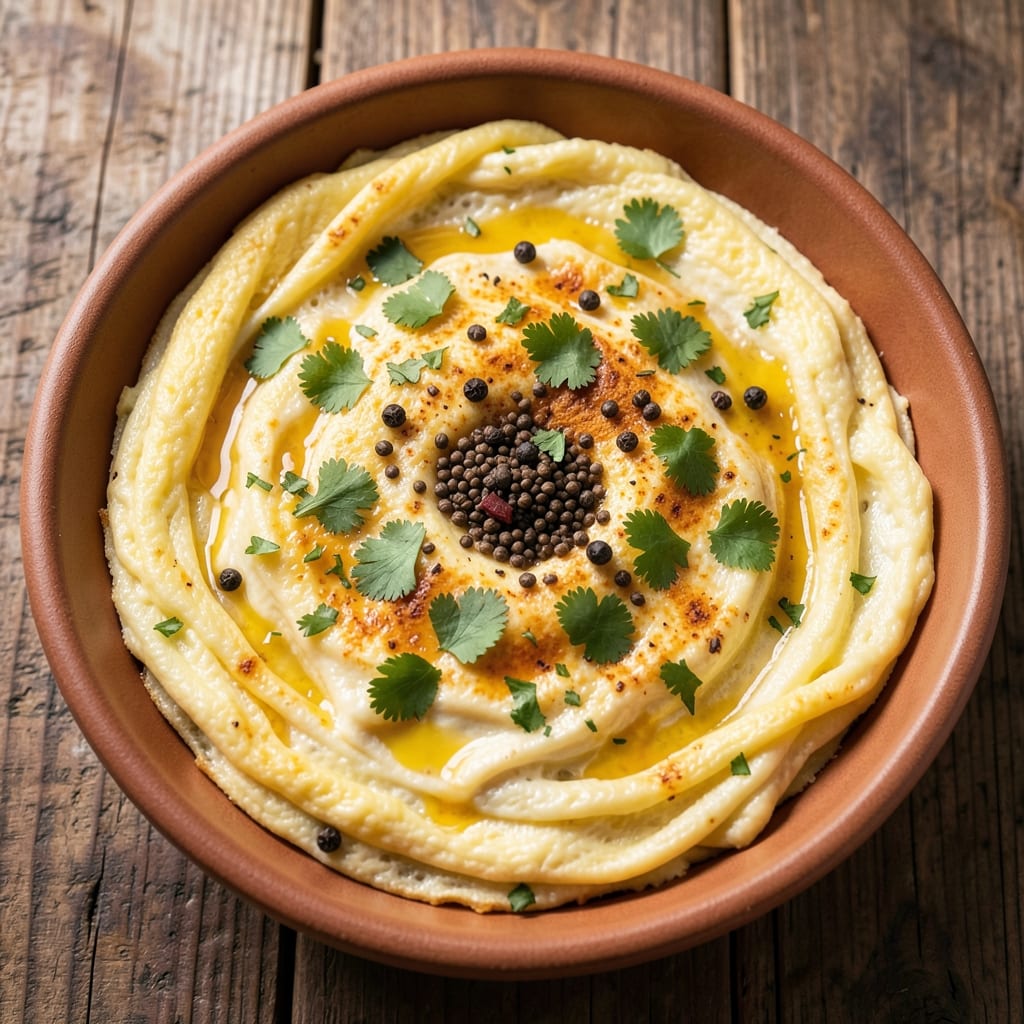
This Desi egg omelette recipe transforms simple eggs into a fragrant, spiced scramble that tastes like a home-cooked breakfast from India’s heartland. The secret lies in tempering warm spices—turmeric, black pepper, and cumin—before folding them into fluffy, golden eggs, creating a dish that’s both comforting and restaurant-worthy. Unlike run-of-the-mill scrambled eggs, this version balances heat, earthiness, and fresh herbs for a texture that’s light yet sturdy, perfect for breakfast or a quick lunch.
The technique starts with whisking eggs until just combined (no over-beating, or you’ll end up with dense curds), then cooking them on low heat in a nonstick pan. This ensures tender, creamy eggs rather than dry or rubbery strands. The spices are toasted in ghee first, releasing their aromatic oils—this step is non-negotiable for that authentic Desi flavor. Optional add-ins like finely chopped onions, green chilies, or cilantro let you customize the dish to your taste, but even as-is, it’s packed with flavor.
What makes this omelette stand out is its versatility—serve it as a standalone breakfast with crusty bread, or pair it with roti and chutney for a full meal. The spices infuse the eggs with warmth without overpowering them, while the herbs add a fresh finish. Unlike fluffy Western omelettes, this version is slightly denser, holding its shape when folded, making it ideal for wrapping around fillings if you’re feeling adventurous.
Best of all, it’s ready in under 15 minutes and requires just a handful of pantry staples. Whether you’re a vegetarian looking for a protein-rich meal or a spice lover craving bold flavors, this recipe delivers. Let’s get cooking—your taste buds will thank you.
Ingredients for desi egg omelette
Six eggs, four spices, and a handful of fresh herbs—this omelette is restaurant-worthy in minutes.
| Ingredient | Amount | Notes |
|---|---|---|
| Large Eggs 🥚 | 6 whole | Freshly cracked, room temperature |
| Ghee 🧈 | 2 tbsp | Clarified butter for authentic flavor |
| Ground Cumin Seeds 🌿 | ½ tsp | Freshly ground preferred |
| Turmeric Powder 🧂 | ¼ tsp | Bright yellow for color and warmth |
| Black Peppercorns 🌶️ | ¼ tsp | Freshly cracked for sharp aroma |
| Fresh Cilantro Leaves 🌿 | ¼ cup | Finely chopped for fresh finish |
| Red Onion 🧅 | ¼ cup | Finely chopped, optional for depth |
| Green Chilies 🌶️ | 2 whole | Finely chopped, adjust to heat preference |
| Salt 🧂 | ½ tsp | Diamond Crystal preferred |
| Heavy Whipping Cream 🥛 | 1 tbsp | Optional for extra creaminess |
| Nonstick Cooking Oil 🫒 | 1 tbsp | For pan coating |
The spices are non-negotiable. Ghee is your best friend here—it’s neutral when hot but adds that rich, buttery depth once cooled. Grab Penzeys or Spicewalla for the best cumin and turmeric, but the grocery store stuff works too if it’s fresh (check the date). Freshly cracked black peppercorns make all the difference—pre-ground loses its punch fast. For the cilantro, farmers markets have the brightest, most flavorful leaves, but the plastic containers at Whole Foods are a solid backup. The green chilies? Thai bird’s eye or serrano add the perfect kick—adjust based on your heat tolerance.
No ghee? Butter works in a pinch, but it burns easier. Short on cumin? One-third the amount of coriander gives a similar earthy note. The onions and chilies are optional but recommended—they add a sweet, sharp contrast to the eggs. If you’re skipping them, boost the cilantro to 0.33 cup for extra freshness. The cream is a game-changer for texture (trust me on the full-fat version), but you can skip it if you’re watching calories. For the eggs, room temperature is key—they’ll cook more evenly and won’t curdle.
Prep ahead by chopping all your herbs and onions the night before. Store them in airtight containers in the fridge for up to 3 days. The spices? Keep them in a dark, cool cabinet—they’ll stay potent for 6-12 months. This omelette reheats beautifully—microwave for 30 seconds with a splash of water to keep it moist. Leftovers? Portion into single servings and freeze for up to 1 month. Just thaw in the fridge overnight and reheat gently.
Why You'll Love This Recipe
- No-Fuss Weeknight Win: I swear by this for those days when I’m too tired to chop anything—just crack eggs, toast cumin and pepper in ghee, and fold. The turmeric gives it that golden hue and subtle warmth, while the ghee makes every bite feel indulgent without the effort.
- Earthy Warmth Bomb: That first crack of black pepper and ground cumin in hot ghee? Instantly transports me to my nani’s kitchen. The eggs soak up the spices just enough to be flavorful but not overpowering—rich, aromatic, and ridiculously satisfying.
- Lunchbox Hero: Between us, this is my go-to for packed lunches. It reheats beautifully (just a quick pan or microwave) and holds up for days. My kids still ask for it after school—proof it’s not just adult-friendly.
- Pocketbook-Friendly Protein: A dozen eggs and a handful of spices cost me less than takeout, but the flavor? Chef’s kiss. The ghee might seem fancy, but a little goes a long way, and the spices last forever. My wallet and taste buds both win.
Step-by-step instructions for spiced Desi egg omelette
Transform simple eggs into a fragrant, herb-infused masterpiece with these precise techniques.
Prepare the Spiced Egg Mixture
Crack all 6 whole large eggs into a bowl and whisk vigorously for 30 seconds until the yolks and whites blend completely. The mixture should be smooth with no visible streaks. I like to use a fork first to break up the eggs, then switch to a whisk for thorough blending.
Add the 2 tablespoons ghee, 0.5 teaspoon ground cumin seeds, 0.25 teaspoon turmeric powder, 0.25 teaspoon black peppercorns, and 0.5 teaspoon salt to the egg mixture. Whisk again for 20 seconds until all spices are evenly distributed. The ghee will add richness while the spices infuse the eggs with warm, aromatic depth. The turmeric will give it that signature golden hue—this is non-negotiable for authentic flavor.
For extra creaminess, stir in 1 tablespoon heavy whipping cream. This step is optional but makes a noticeable difference in texture. Let the mixture sit for 2 minutes while you prepare the pan—this resting time helps the spices meld with the eggs.
Sauté Aromatics for Flavor Foundation
Heat 1 tablespoon nonstick cooking oil in a 10-inch nonstick skillet over medium-low heat. Add the 0.25 cup finely chopped red onion and cook for 2 minutes until softened but not browned. The onions should release their sweetness without burning—this prevents bitterness in your omelette.
Add the 2 finely chopped green chilies and cook for 30 seconds until fragrant. Here's the thing—if you prefer milder heat, remove the seeds before chopping. The chilies should soften slightly but retain their vibrant green color. This is where the omelette gets its signature kick without overpowering the eggs.
Remove the skillet from heat and let the aromatics cool for 1 minute. This prevents the onions from releasing excess moisture when you add the egg mixture, which could make your omelette watery. The residual heat will be enough to gently cook the eggs.
Cook the Omelette to Perfect Texture
Return the skillet to medium-low heat and pour in the spiced egg mixture. Let it sit undisturbed for 20 seconds—this allows the bottom to set slightly before you begin stirring. You'll see the edges start to set first, which is your signal to gently push the eggs from one side of the pan to the other using a silicone spatula.
Continue folding and stirring for 2-3 minutes until the eggs are softly set but still slightly runny in the center. The key here is patience—overcooking turns eggs rubbery. The omelette should look creamy with just a hint of golden color at the edges. If it starts to brown too quickly, reduce the heat slightly or move the pan to a cooler spot on the burner.
When the eggs are 80% cooked (still slightly moist in the center), sprinkle the 0.25 cup chopped fresh cilantro leaves evenly over the top. Fold the omelette in half using the spatula and cook for another 30 seconds to meld the flavors. The cilantro adds freshness that cuts through the richness of the ghee and eggs.
Finish and Serve Immediately
Slide the omelette onto a warm plate and let it rest for 1 minute before cutting into 4 equal wedges. The brief rest allows the eggs to set slightly more while keeping them tender. Serve immediately while still warm—this omelette doesn't reheat well.
Each bite should deliver a perfect balance: creamy eggs with a hint of spice, fresh cilantro brightness, and the rich depth of ghee. The texture should be soft yet structured, with no dry or rubbery spots. For extra indulgence, drizzle with a little more ghee or serve with toasted naan bread to soak up any remaining sauce.
Pro Tips For Making Desi Egg Omelette
- CRANK THE HEAT HIGH: Ghee burns faster than you think—start with the flame at maximum for 30 seconds to get a deep golden crust on the base. Once the ghee foams and smells nutty (not burnt), drop it to medium-low. I learned this the hard way after scraping off charred bits from my first three attempts.
- GRIND YOUR PEPPER FRESH: Pre-ground pepper loses punch fast. Crush 4-5 whole peppercorns in a mortar or zip-lock bag with a rolling pin before adding—this releases more aroma and heat. Skip the jarred stuff; it’s the difference between a bland omelette and one that wakes you up.
- STOP STIRRING TOO SOON: Let the eggs cook undisturbed for 10 seconds after pouring—they’ll set faster against the hot pan, creating a cleaner fold later. I used to flip constantly, ending up with a scrambled mess instead of a neat omelette. Patience here makes all the difference.
- USE COLD EGGS FOR NEATER FOLDS: Take eggs straight from the fridge (yes, even if they’re room temp by the time you’re ready). The cold yolks hold shape better when folding, and the omelette stays together cleaner. Warm eggs? They’ll ooze like overcooked custard when you try to roll it. Trust the cold start.
Regional styles of this recipe
North Indian Style
In North India, this omelette is often called anda bhurji and is a breakfast staple. The key difference is the addition of finely chopped tomatoes (about 0.25 cup) sautéed with the onions and chilies. Cook them until they turn mushy—this adds a tangy depth that balances the spices. I like to add 1 tsp amchur (dry mango powder) at the end for a bright, fruity finish that’s signature to this style. Serve it with buttered roti or paratha for the full experience. 🌶️
South Indian Variations
South Indian homes often make this omelette with mustard seeds instead of cumin. Start by heating 1 tsp mustard seeds in ghee until they pop, then add the onions and green chilies. The mustard adds a sharp, nutty aroma that pairs beautifully with the eggs. Another South Indian trick? Stir in 1 tsp grated coconut at the end for a subtle sweetness. This version is lighter and often served with idli or dosa for a complete meal. 🥥
Punjabi-Style Richness
Punjabi households take their omelettes to the next level with heavy cream and kasuri methi (dried fenugreek leaves). After cooking the eggs, stir in 2 tbsp heavy cream and 1 tsp finely chopped kasuri methi—this adds a unique, slightly bitter depth that’s unmistakably Punjabi. For extra indulgence, top with toasted jeera (cumin) powder before serving. This version is heartier and perfect with makki ki roti (corn flatbread). 💛
Goan Twist with Kokum
Goa’s coastal flavors shine in this variation, where kokum (a tangy fruit) is used to balance the spices. After cooking the eggs, stir in 1 tsp kokum paste (or ½ tsp kokum powder mixed with 1 tbsp water). The tartness cuts through the richness of the ghee, creating a refreshing contrast. Add 1 tsp grated coconut and garnish with fresh coriander. This version is lighter and pairs well with Goan bread or rice. 🌊
Bengali Egg Bhurji
In Bengal, this omelette often includes panch phoron (a five-spice blend) and potato. Start by sautéing 0.5 cup diced potatoes with the onions and chilies until golden. Add 1 tsp panch phoron (a mix of mustard seeds, fenugreek, cumin, fennel, and nigella seeds) to the ghee before adding the eggs. The potatoes add a satisfying heartiness, while the panch phoron brings a complex, aromatic profile. Serve with luchi (Bengali fried bread) for a satisfying meal. 🌿
Nutrition facts
Frequently asked questions
Why does my Desi egg omelette turn rubbery?
Overcooking is the #1 culprit! Cook on medium-low heat and stop when eggs are 80% set (slightly moist center). Stir constantly to prevent browning. Also, avoid over-whisking eggs—just combine until smooth. The ghee and spices need gentle heat to infuse properly.
Can I make this without ghee?
Yes, but the flavor will differ. Use butter (unsalted preferred) or neutral oil like avocado oil. For authenticity, toast 1 tsp cumin seeds in the oil first to mimic ghee's aroma. The texture stays creamy, but the depth of flavor changes slightly.
How do I adjust spice levels?
For milder heat, reduce green chilies to 1 whole or remove seeds before chopping. For extra kick, add ½ tsp cayenne pepper to the egg mixture. Always taste the spices before adding eggs—start with half the amount and adjust. The turmeric and black pepper provide warmth without heat.
What's the best way to reheat leftovers?
This omelette doesn't reheat well due to its delicate texture. For best results, microwave 20-second bursts with 1 tsp water on a plate to restore moisture. Or, gently warm in a dry pan over low heat for 30 seconds while stirring constantly. Never microwave without moisture—it makes eggs rubbery.
Can I add other vegetables?
Try ½ cup finely chopped spinach (wilted first) or ¼ cup bell peppers for color. South Indian versions often include grated coconut (1 tsp) or tomatoes (¼ cup). Just cook any veggies until soft before adding eggs to prevent wateriness. The key is to keep portions small—too many fillings make the omelette dense.