
Breakfast & Brunch
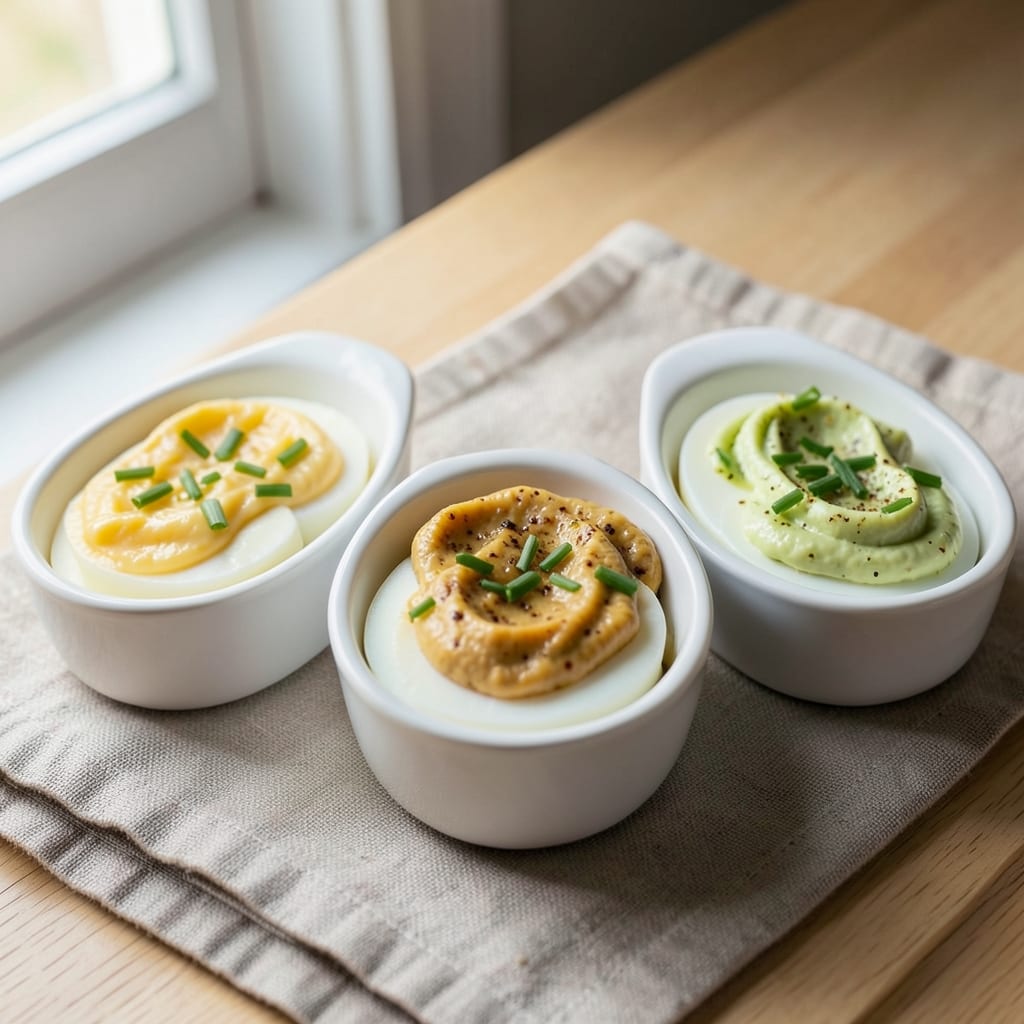
This deviled egg recipe comparison reveals why classic and modern versions stand apart in both technique and flavor. Classic deviled eggs rely on a simple mayonnaise-yolk mixture, while modern twists incorporate everything from avocado and smoked paprika to spicy aioli and crispy bacon. The difference isn't just about taste—it's about texture and presentation too.
For the traditional approach, we're using hard-boiled eggs, sharp mustard, and creamy mayonnaise to create that signature smooth, tangy filling. Modern variations take this base and elevate it with unexpected ingredients like cream cheese, pimento-stuffed olives, or even a touch of hot sauce for heat lovers. Each version delivers a different experience while maintaining the fundamental structure of deviled eggs.
The classic version excels in its clean, bright flavor profile and velvety texture, perfect for those who appreciate a timeless recipe. Modern twists, however, offer exciting new dimensions—think creamy avocado, smoky bacon, or herby chive blends—that transform deviled eggs into a gourmet appetizer. Which one will win your taste test?
Whether you prefer the nostalgia of classic deviled eggs or crave the innovation of modern takes, this comparison gives you the tools to decide. Let's explore the ingredients and methods that make each version shine in its own way.
Ingredients for deviled egg recipe comparison
Timeless classic meets bold innovation in these deviled egg ingredients—perfect for comparing tradition and creativity.
| Ingredient | Amount | Notes |
|---|---|---|
| Large Eggs 🥚 | 8 whole | Hard-boiled for filling |
| Mayonnaise 🥫 | ½ cup | High-quality, creamy texture |
| Yellow Mustard 🍯 | 1 tbsp | Sharp, not sweet |
| Dijon Mustard 🍯 | ½ tbsp | For depth of flavor |
| Fresh Chives 🌿 | ¼ cup | Finely chopped, for garnish |
| Salt 🧂 | ½ tsp | Diamond Crystal preferred |
| Black Pepper 🌶️ | ¼ tsp | Freshly ground for best flavor |
| Smoked Paprika 🌶️ | ½ tsp | For modern twist variation |
| Avocado 🥑 | ½ whole | Ripe, for modern variation |
| Cream Cheese 🧀 | 4 oz | Softened, for modern variation |
| Pimento-Stuffed Olives 🫒 | ¼ cup | Chopped, for modern variation |
| Hot Sauce 🔥 | 1 tsp | Optional, for heat lovers |
| Crispy Bacon 🥓 | ½ cup | Chopped, for modern variation |
| Lemon Juice 🍋 | 1 tsp | Freshly squeezed to brighten |
The foundation of classic deviled eggs lies in the quality of your eggs and mayonnaise. Use large, fresh eggs—they hold their shape better after boiling. For the mayo, Hellmann's or Duke's are reliable choices, but any high-quality brand with a smooth texture works. Sharp mustard is non-negotiable—French's or French's Classic Yellow are ideal for their tang. The chives should be fresh, not dried, for that bright, fresh finish. If you're sourcing ingredients, hit the produce section first for chives and the condiment aisle for mustard. For the modern twist, avocados should be ripe but firm—press the stem gently, and if it gives slightly, it's perfect. Cream cheese should be full-fat for the best texture, and Philadelphia brand is a safe bet. Pimento-stuffed olives are a specialty item, often found near the canned goods or in the deli section.
No sharp mustard? Dijon mustard at double the amount works in a pinch. For the modern variation, skip the avocado and use mashed white beans for creaminess instead. Bacon out of the question? Crispy prosciutto or smoked almonds add a similar crunch and smoky flavor. The hot sauce can be swapped for a pinch of cayenne pepper if you prefer to control the heat yourself. If you're making both versions, prep the classic filling first—it's the base for both. For the modern twist, the avocado and cream cheese mixture should be smooth; food processor or blender makes this a breeze. Always taste as you go—adjust salt or lemon juice to balance flavors. The classic version should be tangy but not overpowering, while the modern twist can embrace bolder flavors like smoky paprika or spicy heat.
Hard-boiled eggs stay fresh for up to 1 week in the fridge if peeled and stored in water. The classic filling keeps for 2 days in an airtight container, while the modern variations with avocado or cream cheese should be used within 1 day for best texture. Garnishes like chives or crispy bacon are best added just before serving to maintain freshness. For meal prep, boil eggs ahead and store them peeled in a container of cold water. The fillings can be made a day in advance, but add fresh chives or bacon right before serving. If you're making both versions, portion the fillings separately to keep flavors distinct. These deviled eggs reheat beautifully—just pop them in the oven at 300°F for 10 minutes to warm through.
Why You'll Love This Recipe
- Here’s what sold me: that sharp Dijon cut through the richness of the mayo, while yellow mustard adds just enough tang. The chives? Tiny green confetti that makes every bite feel fresh—like a bright note in a creamy symphony.
- No-Fuss Assembly: I swear by this method—just hard-boil, halve, scoop. The yolks mix with mayo, mustard, and chives in three minutes while I’m still wiping my hands. No fancy gadgets, no stress, just smooth filling that stays put.
- Mustard Magic: Here’s what sold me: that sharp Dijon cut through the richness of the mayo, while yellow mustard adds just enough tang. The chives? Tiny green confetti that makes every bite feel fresh—like a bright note in a creamy symphony.
- Party in a Box: Between us, these eggs are my secret weapon for game day, potlucks, or when my book club shows up hungry. They hold up for hours (yes, even on a Tuesday night), and I can prep them ahead—just garnish with chives right before serving.
Step-by-step instructions for classic vs. modern deviled eggs
Master both techniques with precision—classic elegance meets bold innovation.
Hard-Boil the Eggs to Perfect Doneness
Place the 8 whole large eggs in a saucepan and cover them with cold water by 1 inch. Bring to a rolling boil over high heat, then immediately reduce to a gentle simmer for exactly 12 minutes. This timing ensures yolks remain creamy without turning greenish. Transfer eggs to an ice bath for 10 minutes to halt cooking and make peeling easier.
Real talk: Overcooking eggs leads to chalky yolks. If you're unsure, test one egg by cracking it—when it reaches 160°F internally, the rest will be perfect. Once cooled, gently tap each egg on a hard surface to crack the shell all over, then roll to remove shells completely. Keep yolks intact for the filling process.
Prepare Classic Filling with Precision
For the classic version, carefully remove all 8 yolks and place them in a mixing bowl. Add 0.5 cup mayonnaise, 1 tablespoon yellow mustard, 0.5 tablespoon Dijon mustard, 0.5 teaspoon salt, and 0.25 teaspoon black pepper. Mash with a fork until smooth and fully combined—no lumps allowed. The mixture should be thick enough to hold shape when piped.
For the modern twist, reserve 4 yolks for a separate filling. In another bowl, combine the reserved yolks with 4 oz softened cream cheese, 0.5 teaspoon smoked paprika, 1 teaspoon hot sauce, and 1 teaspoon lemon juice. Mix until creamy. This variation adds depth with smoky, tangy complexity that classic fillings lack.
Pipe and Garnish with Distinctive Touches
Using a piping bag fitted with a small round tip (or a plastic bag with a corner snipped off), fill the halved egg whites with the classic mixture. Pipe until the whites are completely filled, creating a smooth dome. For the modern version, use the cream cheese-yolk filling and pipe into the remaining whites. Gently press down to eliminate air pockets.
Garnish the classic eggs with 0.25 cup finely chopped fresh chives and 0.25 cup chopped pimento-stuffed olives, sprinkling evenly over each filled half. For the modern twist, top with 0.5 cup chopped crispy bacon and an additional sprinkle of chives. The bacon adds a satisfying crunch that contrasts beautifully with the creamy filling.
Serve with Contrasting Presentation Styles
Arrange the classic deviled eggs on a platter with the modern twist version alongside for direct comparison. The classic eggs should have a pristine, creamy appearance with vibrant green chives and red olives providing color contrast. The modern version will showcase a richer, smoky hue from the paprika and bacon, with a slightly glossier finish from the lemon juice.
Serve immediately to maintain texture contrast—the classic filling stays firm at room temperature, while the modern version's cream cheese base softens slightly, enhancing its luxurious mouthfeel. Pair with crusty bread or a crisp salad to showcase both versions' versatility for different occasions.
Pro Tips For Making Deviled Egg Recipe Comparison
- USE ROOM-TEMPERATURE EGGS: I learned this the hard way—cold eggs from the fridge crack unpredictably when boiling. Let them sit in warm water for 10 minutes first. The yolks will stay plump and the whites will peel like butter.
- MIX MUSTARDS FIRST: Skip the guesswork: blend 1 teaspoon yellow mustard with ½ teaspoon Dijon before adding mayo. This creates a smoother base and cuts through the richness better than dumping them in separately.
- PRESS, DON’T SPOON: When piping filling back into the whites, use a small spoon to gently press the mix into the cavity instead of just dropping it in. This keeps the eggs from looking like they’ve been stuffed with loose gravel.
- CHOP CHIVES LAST: Fresh chives wilt fast in mayo. Save chopping until the very end, then sprinkle them on top right before serving—bright green and crisp. (Yes, even if you’re impatient like me.)
Creative variations of this deviled egg recipe comparison
Classic Deviled Eggs
This timeless version relies on a simple yet balanced mix of mayonnaise, mustard, and egg yolks for its signature creamy, tangy flavor. The key is using sharp yellow mustard (like French's Classic Yellow) and Dijon mustard for depth. I like to add a pinch of smoked paprika to the classic mix for subtle warmth without overpowering the traditional taste. The texture should be smooth and pipeable, with no lumps—this ensures each bite is velvety. 🥚
Modern Creamy Twist
Elevate the classic with a cream cheese and avocado fusion that adds richness and creaminess. Blend 4 oz softened cream cheese with ½ ripe avocado for a luscious, velvety base. Add ½ tsp smoked paprika and 1 tsp hot sauce for a smoky kick and heat. This version feels decadent yet remains light enough for brunch. The avocado keeps the filling fresh and vibrant, while the cream cheese adds a luxurious mouthfeel. 🥑
Spicy Bacon Bites
For heat lovers, swap the classic filling for a spicy bacon and chive blend. Start with ½ cup crispy bacon (chopped) mixed into the cream cheese base, then add 1 tsp hot sauce and 1 tsp lemon juice for brightness. The bacon adds a satisfying crunch and smoky depth, while the chives bring freshness. This version is perfect for those who love bold flavors and textures. 🔥
Herb-Infused Variations
Brighten up deviled eggs with fresh herbs like dill or tarragon in the classic filling. Finely chop 2 tbsp fresh dill and mix it into the mayo-yolk base for a bright, herbal note. For the modern twist, blend 1 tbsp chopped tarragon with the cream cheese and avocado mixture. These herb-infused versions add a refreshing twist to the traditional flavors. ✨
Vegetarian-Friendly Swap
Skip the bacon and yolks in the modern version by using mashed white beans instead. Blend ½ cup cannellini beans with 4 oz cream cheese, ½ tsp smoked paprika, and 1 tsp lemon juice for a creamy, protein-packed filling. This vegetarian twist keeps the richness while adding a subtle earthy flavor. It’s a great option for plant-based brunch menus. 🌱
Plating for Impact
Presentation matters! Arrange classic deviled eggs on a platter with chives and olives for a classic look. For the modern versions, use crispy bacon or avocado slices as garnishes to highlight their unique textures. Serve both versions side by side to compare flavors and textures—it’s a fun way to showcase the versatility of deviled eggs. 💫
Nutrition facts
Frequently asked questions
What’s the biggest difference between classic and modern deviled egg fillings?
The classic version relies on a simple mayo-yolk-mustard blend for a clean, tangy flavor, while modern twists incorporate ingredients like cream cheese, avocado, or bacon for richer textures and bolder flavors. The classic stays bright and smooth, while modern versions add depth with smoky, spicy, or herby notes.
Can I make deviled eggs ahead of time?
Yes, but with a few key tips! Hard-boiled eggs last 1 week peeled in cold water, and classic fillings keep 2 days in an airtight container. Modern versions with avocado or cream cheese should be made 1 day ahead for best texture. Always add fresh garnishes like chives or bacon right before serving.
How do I fix runny deviled egg fillings?
Runny fillings usually mean too much liquid or undercooked yolks. For classic versions, chill the filling for 30 minutes before piping. For modern twists, add 1 extra tablespoon of mayo or cream cheese to thicken. If it’s still too loose, sprinkle ½ teaspoon cornstarch into the filling and mix well.
Are modern deviled egg recipes harder to make?
Not at all! Modern versions follow the same basic steps but add a few extra ingredients. The key is balancing flavors—like pairing smoked paprika with sweetness (e.g., avocado or olives) to avoid bitterness. Start with the classic recipe, then experiment with one modern twist at a time.
Can I use store-bought fillings for deviled eggs?
but homemade fillings taste fresher and allow for customization. Store-bought mayo-based fillings work for classic deviled eggs, while modern versions (like cream cheese or avocado blends) are best made fresh. If short on time, opt for high-quality pre-made fillings and boost flavor with fresh herbs or a squeeze of lemon.