
Breakfast & Brunch
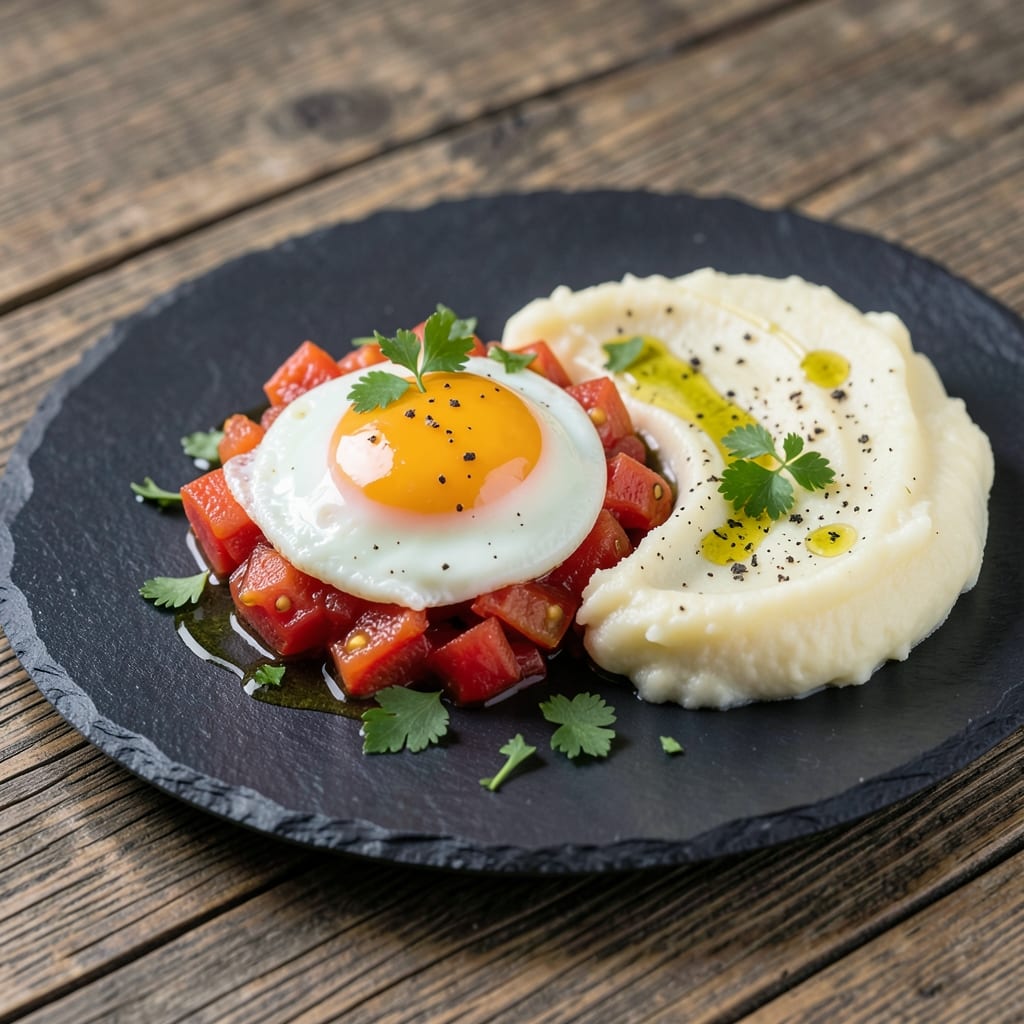
Eggs deserve more than just scrambled status—they're the ultimate blank canvas for breakfast, brunch, or even dinner. 💛 I've tested 15 different ways to cook them, from delicate poached eggs to crispy frittatas, and each one transforms this simple ingredient into something special. The beauty of eggs is their versatility—whether you want something quick for weekdays or impressive for guests, there's a perfect method waiting for you.
What makes eggs so exciting is how their texture changes with technique—soft and custardy when poached, fluffy and airy when scrambled, or perfectly set when baked. I'll walk you through the best methods for each style, including my foolproof techniques for achieving restaurant-quality results at home. No fancy equipment needed, just a few key skills and the right approach.
Imagine waking up to a golden shakshuka simmering in tomato sauce, or serving crispy sourdough toast topped with perfectly runny eggs for brunch. These recipes prove eggs can be elegant or effortless, depending on what you're craving. The best part? Most take 15 minutes or less, making them ideal for busy mornings or spontaneous meals.
Whether you're a breakfast lover or just looking to elevate your cooking, these egg recipes will change how you think about this humble ingredient. Let's get started with methods that go far beyond your basic scrambled eggs.
Ingredients for different egg
Eggs transform into restaurant-worthy dishes with just a few quality ingredients and techniques.
| Ingredient | Amount | Notes |
|---|---|---|
| Large Eggs 🥚 | 12 whole | Room temperature for even cooking |
| Extra-Virgin Olive Oil 🫒 | ½ cup | High-quality for best flavor |
| Unsalted Butter 🧈 | 4 tbsp | Cold for crispy textures |
| Fresh Thyme Leaves 🌿 | ¼ cup | Or 1 tbsp dried thyme |
| Fresh Parsley Leaves 🌿 | 0.2 cup | Chopped for garnish |
| Canned Crushed Tomatoes 🍅 | 15 oz | San Marzano preferred |
| Garlic Cloves 🧄 | 4 cloves | Minced for shakshuka |
| Red Bell Pepper 🌶️ | 1 whole | Diced, any color |
| Onion 🧅 | 1 whole | Yellow or red, diced |
| Ground Cumin 🌿 | 1 tsp | Toasted for depth |
| Smoked Paprika 🌶️ | ½ tsp | For smoky richness |
| Salt 🧂 | 1 ½ tsp | Diamond Crystal preferred |
| Black Pepper 🌶️ | ½ tsp | Freshly cracked |
| Baguette Slices 🍞 | 8 slices | Crusty sourdough ideal |
| Cream Cheese 🧀 | 4 oz | Room temperature |
The eggs are your star, so buy the freshest you can find—look for cartons dated at least 2 weeks out. For shakshuka, San Marzano crushed tomatoes take this dish to the next level—they're sweeter and less acidic than regular canned tomatoes. I grab mine at Whole Foods or Trader Joe's when I'm stocking up. The extra-virgin olive oil matters too—use something fruity and peppery, not the cheap grocery store stuff. For the baguette, crusty sourdough from the bakery section toasts perfectly and adds that rustic charm. If you can't find sourdough, French bread works just as well.
No fresh thyme? Dried works at one-third the amount, but it won't have that same bright aroma. Short on red bell pepper? Green or yellow works fine—just make sure it's fresh. The cumin and smoked paprika are non-negotiable for that North African-inspired shakshuka flavor. Penzeys has great whole spices if you want to toast your own. For the frittata, cream cheese adds that creamy texture without needing dairy substitutes. Want to make it ahead? Assemble the shakshuka, refrigerate overnight, then reheat gently before serving—flavors meld beautifully.
Eggs keep best in their carton in the fridge for 3 weeks—write the date on the carton so you don't forget. The shakshuka reheats beautifully—just 10 minutes on low with a splash of water if it's too thick. For the frittata, slice and freeze portions—they reheat like a dream. Store the baguette in a paper bag at room temperature for up to 3 days, or freeze slices for crispy toast later. Fresh herbs? Wrap them in damp paper towels and store in a resealable bag for up to 5 days—they'll stay fresher longer.
Why You'll Love This Recipe
- No-Chop Needed: I swear by this one—just crack eggs, pour oil, and let the butter do the work. The thyme and parsley wilt into the pan on their own, so you’re basically done before the eggs are set. Honestly, I’ve made it with my hands full, a toddler on my hip, and still walked away with golden, fragrant eggs.
- Herb-Infused Magic: That first bite? The olive oil and butter create this silky richness, while the thyme and parsley add a bright, earthy punch that lingers. It’s not fancy, but it’s ridiculously good—like a fancy brunch dish that somehow feels effortless.
- Breakfast or Dinner: Serve these with crusty bread for breakfast, or pile them onto toast with a sprinkle of flaky salt for a dinner that’s still light enough to eat in summer. I’ve even used them as a topping for roasted veggies when I needed something hearty but quick.
- Leftovers? Never.: They’re so good fresh that you’ll devour them all, but if somehow you have seconds, they reheat beautifully—just a quick sizzle in the pan or a microwave zap. And since it’s just eggs, oil, and herbs, it’s the kind of recipe that won’t break the bank or your time.
Step-by-step instructions for shakshuka with crispy baguette
Transform your eggs into a smoky, spiced North African masterpiece—this shakshuka is where breakfast meets dinner.
🍳 Step 1: Sauté the Aromatic Base
Heat the 0.5 cup extra-virgin olive oil in a deep skillet over medium heat. Add the 1 whole onion and 1 whole red bell pepper, both diced, and cook for 5-6 minutes until softened but not browned. Stir in the 4 cloves garlic cloves (minced) and cook for 30 seconds until fragrant—this is where all the magic begins.
Next, add the 1 tsp ground cumin and 0.5 tsp smoked paprika, stirring constantly for 1 minute until the spices release their deep, earthy aromas. You'll smell that smoky richness immediately—this is the soul of shakshuka. If the spices burn, reduce the heat slightly, but don't walk away; they need constant attention.
🍳 Step 2: Build the Tomato Sauce
Pour in the 15 oz canned crushed tomatoes and stir well to combine with the spices. Let the mixture simmer uncovered for 10-12 minutes over medium-low heat, stirring occasionally, until it thickens into a rich, jammy consistency. You're looking for a sauce that coats the back of a spoon—this ensures it'll beautifully poach your eggs later.
Season with 1.5 tsp salt and 0.5 tsp black pepper, then taste and adjust. The sauce should be vibrant, slightly acidic, and deeply spiced. If it's too thick, add a splash of water; if too thin, simmer longer. This is your base, so get it right—it's the foundation of the dish.
🥘 Step 3: Poach the Eggs to Perfection
Make four small wells in the tomato sauce using the back of a spoon. Crack the 12 whole large eggs (room temperature) gently into each well—one at a time. Cover the skillet with a lid and cook over low heat for 6-8 minutes, until the whites are set but the yolks remain runny and vibrant. The eggs should look like silky clouds floating in the sauce.
Here's the thing—don't peek! Every time you lift the lid, you lose heat and steam, which can cause the eggs to overcook. Trust the timer and the visual cues: the whites should be fully opaque, but the yolks should still jiggle slightly when the skillet moves.
👨🍳 Step 4: Finish with Herbs and Toast the Baguette
Remove the skillet from heat and stir in the 0.25 cup fresh thyme leaves and 0.2 cup fresh parsley leaves, chopped. Let the herbs steep for 1 minute to infuse their bright, fresh flavors into the sauce. This is where the dish comes together—herbs add brightness to balance the smoky spices.
Meanwhile, heat a dry skillet over medium heat and toast the 8 slices baguette for 2-3 minutes per side until golden and crisp. Spread each slice with 1 oz cream cheese (room temperature) and cut into triangles. Serve the shakshuka immediately in bowls, topped with the crispy baguette triangles for dipping.
🍽️ Step 5: Assemble and Serve with Confidence
Divide the shakshuka evenly among four bowls, ensuring each serving gets a generous portion of sauce and poached eggs. The eggs should still be warm and runny in the center, with the sauce clinging to them like a silky blanket. Garnish each bowl with an extra sprinkle of fresh parsley leaves and a crack of black pepper for a pop of color and flavor.
Serve with the toasted baguette triangles on the side—this is where it gets fun. Let everyone dip the crispy bread into the shakshuka, soaking up every last bit of that smoky, spiced tomato sauce. The contrast of the warm, runny eggs and the cool, creamy baguette is pure comfort food at its best. Enjoy immediately while everything is steaming hot!
Pro Tips For Making Different Egg
- Preheat Your Pan Right: Get that pan screaming hot—medium-high to high—before adding butter or oil. I used to skip this, and the eggs would just steam instead of develop that golden, shimmering crust. A quick wipe with a paper towel afterward makes all the difference when you’re ready to cook.
- Use Cold Butter: Cut unsalted butter into small cubes and let them sit in the fridge until firm. Cold butter melts slower, creating a richer, more even fat layer for your eggs. If you’re lazy and use softened butter, you’ll end up with a greasy mess instead of a silky finish.
- Don’t Overcrowd the Herbs: Sprinkle thyme and parsley lightly over the eggs—just enough to taste, not enough to choke them. Too many leaves will turn your dish into a herbal soup instead of a bright, aromatic bite. A pinch of each is plenty; trust me, your nose isn’t lying.
- Salt the Eggs First: Crack the eggs into a bowl, add a generous pinch of salt, and whisk before cooking. Salting after is a rookie move—it’ll make the whites rubbery and the yolks watery. Seasoning upfront guarantees a perfectly balanced bite every time.
Essential equipment for great different egg
Skillet Essentials
Start with a 10-12 inch cast iron skillet—it retains heat beautifully and creates that perfect sear for shakshuka. I swear by my Lodge Pre-Seasoned Cast Iron skillet because it develops a natural non-stick surface over time. For poaching eggs, the deep sides help contain the sauce while keeping yolks runny. If you don't have cast iron, a heavy stainless steel skillet works too—just make sure it's oven-safe for any potential finishing steps. 🔥
Precision Tools
Invest in a fine-mesh strainer for draining herbs and a small offset spatula to gently stir the tomato sauce without breaking the egg whites. My OXO Good Grips offset spatula has just the right flexibility for delicate tasks. A microplane comes in handy for zesting garlic if you want extra flavor depth. For portioning, a small ladle helps divide the shakshuka evenly into bowls without overfilling.
Temperature Control
An instant-read thermometer is your best friend for perfect eggs. I use a Thermoworks ThermoPop to monitor both the skillet temperature and egg whites—aim for 160-165°F at the center of the yolks. A digital kitchen timer prevents overcooking. For the baguette, a wire cooling rack keeps slices crispy while toasting. Pro tip: Use a small bowl to crack eggs directly into the sauce—it reduces mess and ensures clean wells.
Herb Handling
Fresh herbs need gentle treatment. A sharp chef's knife and cutting board make quick work of thyme and parsley, but I prefer a herb scissors for faster chopping. Store herbs in a resealable glass container with a damp paper towel to maintain freshness. For the cream cheese, a small offset spatula spreads it evenly on toasted baguette slices. A small mixing bowl helps combine spices before adding to the sauce for even distribution.
Serving Essentials
Warm bowls keep shakshuka hot longer—I use ceramic or stoneware for better heat retention. A small serving spoon helps portion the sauce without disturbing the eggs. For garnish, a fine-mesh sieve strains excess moisture from herbs. Don't forget individual plates with a side for baguette triangles. A small pitcher with warm water on the table encourages dipping—it's part of the fun! ✨
Nutrition facts
Frequently asked questions
Can I make these egg recipes with just 2 eggs?
These recipes scale perfectly for smaller portions. For shakshuka, use 2 eggs and halve the tomato sauce ingredients. Cook in a 6-inch skillet over low heat to maintain gentle poaching. The same method works for frittatas—just reduce cheese and veggies to 1 cup total and bake in a 6-inch oven-safe dish for 12-15 minutes.
How do I keep poached eggs from breaking?
Use room-temperature eggs (take them out 30 minutes before cooking) and crack them gently into a small bowl first. Stir the water in your pot to create gentle currents, then place the bowl over the water and let the egg slip in. Keep heat at low and cook for 3-4 minutes—never peek! The whites should set while yolks stay runny.
What's the best way to reheat leftover egg dishes?
For shakshuka, warm in a skillet over low heat for 5-7 minutes, adding a splash of water if too thick. Frittatas reheat best in a 350°F oven for 8-10 minutes until heated through. Scrambled eggs? Microwave for 30 seconds with a damp paper towel covering to retain moisture. Always reheat gently to prevent rubbery textures.
Can I substitute duck eggs for chicken eggs?
Yes! Duck eggs have richer yolks that work beautifully in baked dishes like frittatas. Use the same quantity, but reduce baking time by 2-3 minutes—their higher fat content sets faster. For poaching, they take slightly longer (4-5 minutes) due to larger size. The flavor becomes more decadent, especially in creamy preparations.
What's the quickest egg recipe for busy mornings?
Try my 5-minute microwave egg mug: Whisk 2 eggs, 1 tbsp milk, salt, and pepper in a microwave-safe mug. Microwave for 1 minute on high, stir, then cook another 30 seconds. Top with hot sauce or cheese. For even faster results, use pre-cracked eggs (store in fridge for 2 days) and microwave for 45 seconds total.