
Breakfast & Brunch
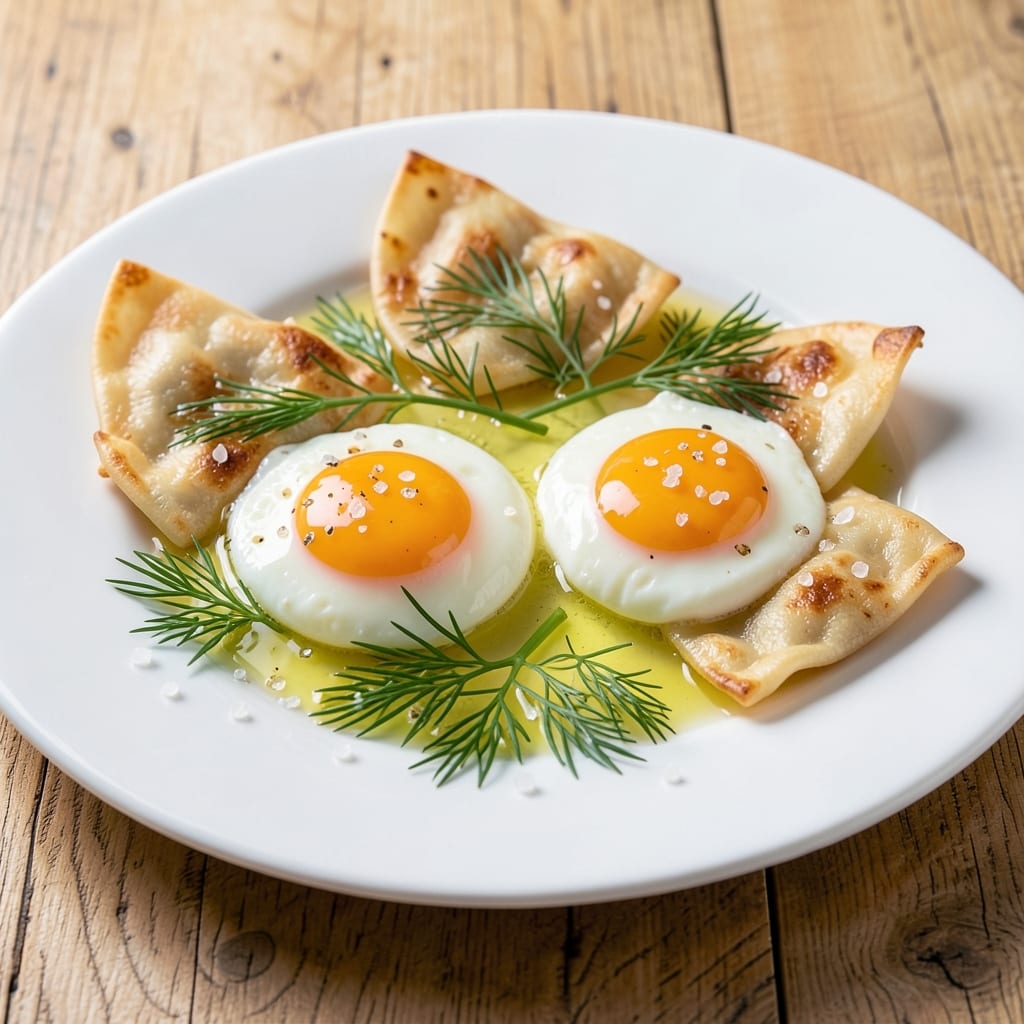
This duck egg breakfast recipe transforms simple wonton cups into a luxurious morning treat with crispy edges and silky yolk centers that redefine your breakfast game. 💛 Duck eggs deliver richer yolks and firmer whites than chicken eggs, creating a texture that's both decadent and satisfying—perfect for those who crave restaurant-quality flavor at home.
The secret lies in the crispy wonton cups, which act as edible bowls that hold the velvety egg perfectly without getting soggy. Unlike traditional egg dishes, this recipe combines the best of Asian-inspired crispiness with Western breakfast comfort, making it a fast yet impressive meal that takes just 15 minutes of active prep. The technique is foolproof, ensuring golden-brown cups every time.
What you'll end up with is a breakfast dish that's equal parts elegant and indulgent—crispy wonton cups filled with runny, golden duck egg yolks that glisten invitingly. The contrast between the crunchy exterior and creamy interior creates a sensory experience that's impossible to resist. Serve with a sprinkle of flaky salt or fresh herbs for an extra layer of sophistication.
This recipe works as a standalone breakfast or as part of a brunch spread, proving that duck eggs can elevate even the simplest morning meal. Whether you're feeding a crowd or treating yourself to a special weekend breakfast, these wonton cups deliver restaurant-quality results with minimal effort. Let's get started!
Ingredients for duck egg breakfast
Four duck eggs and twelve wonton wrappers create restaurant-worthy breakfast cups with crispy edges and velvety centers.
| Ingredient | Amount | Notes |
|---|---|---|
| Duck Eggs 🥚 | 4 whole | Room temperature for even cooking |
| Wonton Wrappers 🍜 | 12 pieces | Square, store-bought variety |
| Unsalted Butter 🧈 | 2 tbsp | Cold, cubed for crispy cups |
| Vegetable Oil 🫒 | ¼ cup | High smoke point for frying |
| Flaky Sea Salt 🧂 | ½ tsp | For finishing garnish |
| Fresh Dill 🌿 | 2 tbsp | Chopped, for garnish |
| Garlic Cloves 🧄 | 2 cloves | Minced, for butter flavor |
| White Pepper 🌶️ | ¼ tsp | Freshly ground for subtle heat |
| Sesame Oil 🫒 | 1 tsp | For frying aroma |
| Cornstarch 🌾 | 1 tbsp | Light coating for crispiness |
| Cold Water 💧 | ¼ cup | For egg preparation |
Duck eggs are the star here—look for them at specialty grocers or Asian markets where they're often sold in cartons. Costco and Whole Foods usually carry them, though prices can be steep. The key is room temperature eggs: pull them from the fridge 30 minutes before cooking for perfect silky yolks. Wonton wrappers should be square and pliable—avoid the round spring roll wrappers, which won't hold shape. For the butter, European-style unsalted like Plugrá melts beautifully without overpowering. If you can't find duck eggs, large chicken eggs work in a pinch but won't match the richness.
No wonton wrappers? Phyllo dough cut into squares creates a similar crispy texture—just brush with oil between layers. The sesame oil is non-negotiable for that authentic aroma, but if you're avoiding it, neutral oil plus a pinch of toasted sesame seeds gets you close. For the butter flavor, melted ghee works identically. The cornstarch coating is what makes these cups extra crispy—don't skip it. Fresh dill is ideal, but dried dill at one-third the amount or even chives will work. The white pepper adds subtle depth without overpowering the delicate egg flavor, but black pepper works just as well if that's what you have.
Prep ahead by cutting butter into cubes and mincing garlic the night before—everything stays fresh for 2 days in the fridge. The wonton wrappers keep 1 week in their package, but once opened, use within 3 days for best results. For make-ahead cups, fry them 1 day ahead, cool completely, then reheat in a 350°F oven for 5 minutes to crisp up before adding eggs. Store fried cups in an airtight container—they'll stay crisp for 24 hours. Duck eggs keep 3 weeks in the fridge, but use them within 1 week for peak texture.
Why You'll Love This Recipe
- Same recipe, endless uses: quick breakfast, brunch appetizer, or even a fancy charcuterie bite. My in-laws thought I’d spent hours on their holiday spread—nope, just 15 minutes and a pan.
- No-Yolk Fuss: I swear by this when I’m running late—just crack eggs into wontons, fry them in butter, and call it done. The wrappers hold shape like magic, so you’re not scrambling (literally or otherwise) to keep things together.
- Rich Without Effort: That first bite of golden, buttery wonton with the duck egg’s unreal yolk—it’s like a fancy brunch without the pretension. The salt flakes on top? Pure, salty satisfaction that costs pennies.
- Weeknight to Weddings: Same recipe, endless uses: quick breakfast, brunch appetizer, or even a fancy charcuterie bite. My in-laws thought I’d spent hours on their holiday spread—nope, just 15 minutes and a pan.
Step-by-step instructions for crispy wonton cups with silky yolk centers
Here's how to achieve perfect golden cups with runny, luxurious duck yolks every time.
🍳 Step 1: Prepare the Egg Mixture for Perfect Texture
Crack all 4 whole duck eggs into a medium bowl and whisk vigorously for 30 seconds until the yolks and whites blend completely. The duck eggs will be richer than chicken eggs, so you'll notice a thicker consistency—this is normal and desirable for our technique.
Add 1 tbsp cornstarch and whisk for another 20 seconds until fully dissolved. The cornstarch creates that delicate crispness when fried. Then pour in 0.25 cup cold water and whisk continuously for 1 full minute until the mixture becomes smooth and slightly frothy. This step is critical—your mixture should be thick enough to coat the back of a spoon but still flow easily when poured.
I like to strain the mixture through a fine-mesh sieve into a clean bowl to remove any potential egg membrane bits that could affect texture. Cover the bowl and let it rest at room temperature for 5 minutes while you prepare the wonton wrappers.
👨🍳 Step 2: Assemble and Prep the Wonton Cups
Place all 12 wonton wrappers on a clean work surface. Cut each wrapper diagonally from one corner to create two triangles—this gives you 24 pieces total. The smaller size ensures even cooking and perfect bite-sized portions.
Working with one triangle at a time, place ½ teaspoon of the egg mixture in the center of the flat side. Fold the triangle over the egg, pressing gently along the edges to seal completely. You'll want a tight seal to prevent the egg from leaking during frying—this is where the crispy texture comes from.
Place the assembled cups seam-side down on a parchment-lined baking sheet. Cover with a clean kitchen towel to prevent them from drying out while you prepare the frying station. The key here is working quickly but carefully—don't rush the sealing or you'll get messy results.
🔥 Step 3: Fry to Golden Perfection with Two-Stage Heat
Heat 0.25 cup vegetable oil in a large skillet over medium heat until it reaches 350°F (use a thermometer for precision). Add 1 tsp sesame oil to the hot vegetable oil for that signature aroma. The oil should shimmer gently when ready—if it smokes excessively, reduce the heat slightly.
Working in batches of 6 cups at a time, carefully place them in the hot oil. Fry for 2-3 minutes until the bottoms are deep golden brown and the edges begin to crisp. Here's the thing—don't move them around! Let them develop that perfect crust undisturbed. You'll know they're ready when the bottoms release easily from the pan.
Using a slotted spoon, transfer the crispy cups to a paper towel-lined plate to drain excess oil. Immediately return the skillet to medium heat and add 2 tbsp unsalted butter and 2 cloves minced garlic. Cook for 30 seconds until the butter foams and the garlic becomes fragrant—this butter will finish our cups beautifully.
🥘 Step 4: Finish with Garlic Butter and Fresh Herbs
Return the fried wonton cups to the skillet with the garlic butter and cook for 1 minute, spooning the butter over them to coat completely. The residual heat will melt the butter and create a glossy finish. Remove from heat and immediately sprinkle with 0.5 tsp flaky sea salt and 2 tbsp chopped fresh dill. The salt enhances the rich duck egg flavor while the dill adds a bright, fresh contrast.
For an extra touch, add 0.25 tsp freshly ground white pepper—it's subtle but adds depth to the flavor profile. Serve immediately while the cups are still crisp and the centers remain perfectly runny. The contrast of the crispy wonton shell with the silky duck yolk creates an unforgettable texture experience.
⏰ Step 5: Master the Timing for Perfect Results
Here's where it gets technical: the cups should be served within 3-4 minutes of frying. After this window, they'll start to lose their crispness. I recommend frying just enough for your immediate serving—these don't reheat well. If you need to prepare ahead, fry the cups without the egg filling, store them in an airtight container, and fry the filled cups fresh when ready to serve.
The secret to the silky yolk centers lies in the frying temperature and timing. The 350°F oil creates a gentle cooking environment that keeps the yolks perfectly runny while the wonton wrappers achieve that beautiful golden color. If you notice any cups with fully set yolks, your oil was too hot—adjust your temperature for subsequent batches.
Pro Tips For Making Duck Egg Breakfast
- CRACK EGGS GENTLY: Duck eggs have thicker membranes than chicken eggs—tap them firmly on the counter first to crack cleanly, then slide them into the pan. I learned this the hard way after struggling with shards of shell in my first batch.
- PREHEAT THE WRAPPERS: Warm wonton wrappers for 20 seconds in the microwave before pressing them into the pan. This prevents sticking and gives you that crispy, golden edge everyone wants—no more wrestling with stubborn dough.
- SALT THE BUTTER: Mix a pinch of flaky sea salt directly into the melted butter before adding it to the eggs. The salt dissolves into the yolk, making every bite richer—saving you from sprinkling unevenly afterward.
- LOW AND SLOW FOR YOLKS: Once the whites set, drop the heat to medium-low and cover the pan for 30 seconds. This keeps the yolks runny without turning the edges rubbery—trust me, rushing this step ruins the whole dish.
Pro cooking tips for duck egg breakfast
Duck Egg Magic
Duck eggs are the game-changer here—their richer yolks and firmer whites create a texture that's impossible to replicate with chicken eggs. The secret lies in their natural thickness: when whisked properly, they create a velvety filling that stays perfectly runny at the center while the wonton cups crisp up beautifully. I always pull duck eggs from the fridge 30 minutes before cooking to ensure even cooking and that signature silky texture. 🥚
Oil Temperature Control
Getting the oil temperature right is critical—350°F is your sweet spot for golden, crispy wonton cups without overcooking the eggs. I use a thermometer (like the ThermoWorks Smoke model) to monitor the temperature precisely. If the oil is too hot, you'll get burnt edges and fully set yolks; too cool, and the cups won't crisp properly. The key is patience: let the cups develop that perfect crust undisturbed for 2-3 minutes per batch.
Two-Stage Frying
This technique ensures perfect results every time. First, fry the wonton cups in batches until golden brown, then transfer them to a paper towel-lined plate. Immediately return the skillet to medium heat and add the garlic butter—this second stage infuses the cups with flavor while keeping them warm. The butter should foam gently, signaling it's ready to coat the cups beautifully. This step adds that restaurant-quality finish that takes your dish to the next level. 🔥
Sealing the Cups
The tightness of your seal determines how well the egg stays contained during frying. Press gently along all edges of the wonton triangles to create an airtight seal—this prevents leaks and ensures the egg stays perfectly centered. I find it helpful to work with one triangle at a time, placing the egg mixture in the center before folding. If any cups leak during frying, simply discard them and focus on perfecting the next batch. Precision here makes all the difference!
Timing is Everything
These wonton cups are best served immediately after frying—within 3-4 minutes—to maintain that perfect crispness. The silky duck yolk centers will start to set if left sitting too long. For make-ahead prep, fry the empty cups first, let them cool completely, then store in an airtight container. When ready to serve, simply fill with the egg mixture and fry fresh. This approach keeps the texture perfect while allowing you to prep ahead.
Butter and Aroma
The garlic butter finish is what elevates these wonton cups from good to extraordinary. Cook the butter with minced garlic until fragrant, then spoon it over the fried cups to create a glossy, flavorful coating. Adding a touch of sesame oil to the frying oil enhances the aroma, giving your dish that authentic Asian-inspired depth. Don't skip this step—it's the secret to that restaurant-quality flavor you crave. ✨
Nutrition facts
Frequently asked questions
Why do duck eggs work better than chicken eggs in this recipe?
Duck eggs have thicker whites and richer, creamier yolks that create a velvety texture perfect for this dish. Their natural density helps maintain that signature runny yolk center while providing firmer structure for the crispy wonton cups. The flavor is also more complex, adding depth that chicken eggs can't match.
Can I make these wonton cups ahead of time?
Yes! Fry the empty wonton cups first and let them cool completely. Store them in an airtight container for up to 24 hours. When ready to serve, simply add the egg mixture and fry fresh for 1-2 minutes to reheat. This keeps the texture perfect while allowing you to prep ahead.
What if I can't find wonton wrappers?
No problem! Use phyllo dough cut into squares instead. Brush each layer lightly with oil before stacking to create crispy cups. For a quicker alternative, try spring roll wrappers—they hold shape well and cook similarly. The key is maintaining that crispy texture through proper layering and frying technique.
How do I fix burnt edges on my wonton cups?
Burnt edges usually mean your oil was too hot. Keep the temperature at 350°F and avoid overcrowding the pan. Fry in batches of 6 cups at a time, leaving space between each. If they burn, reduce heat to medium-low (around 325°F) for subsequent batches. A thermometer is your best friend here!
Are these cups suitable for a brunch spread?
These make an elegant brunch centerpiece. Serve with fresh berries, crispy bacon, or herbed goat cheese for a balanced spread. The crispy texture pairs beautifully with creamy avocado or tangy salsa. For presentation, arrange on a platter with fresh herbs and edible flowers for a restaurant-worthy look.