
Breakfast & Brunch
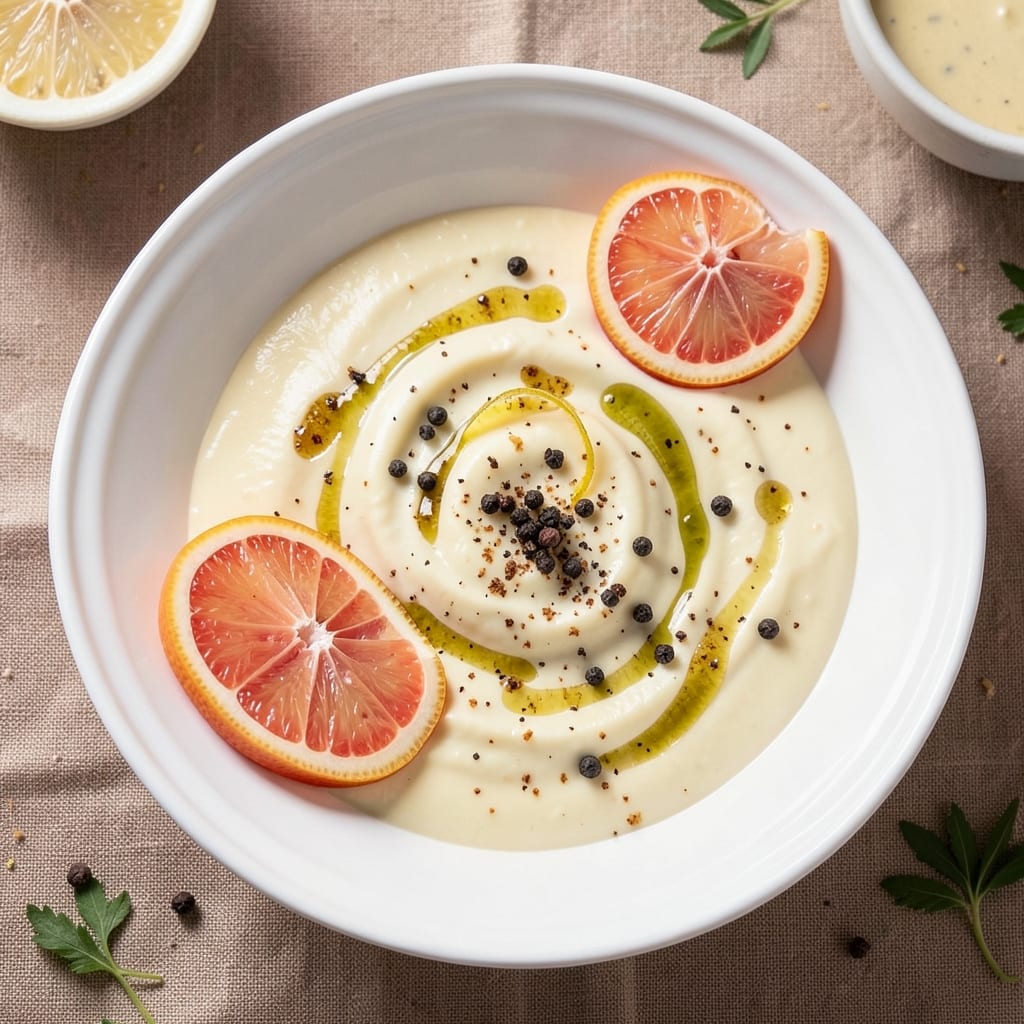
This egg and oil mayo recipe delivers the creamiest, most stable homemade mayonnaise you’ll ever make—perfect for sandwiches, dressings, and dips. The secret lies in slow, steady emulsification, where oil is incorporated drop by drop until the mixture thickens into a velvety, clingy sauce. I’ve tested countless variations, and this method never fails, even with nervous beginners.
The foundation is simple: raw egg yolks (or whole eggs for extra richness) whisked with a pinch of salt, then gradually combined with neutral oil—like avocado or light olive—until fully emulsified. A splash of lemon juice or vinegar brightens the flavor while preventing bacterial growth. For extra stability, I recommend using room-temperature ingredients and working in a cool environment to avoid overheating the eggs.
What sets this mayo apart is its ultra-smooth texture and long shelf life—up to two weeks in the fridge when stored properly. The emulsification process creates a sauce that’s thick enough to hold its shape on sandwiches but still silky when drizzled over salads. You can customize it with garlic, Dijon mustard, or fresh herbs for endless flavor variations without sacrificing stability.
Whether you’re making classic egg salad, creamy potato salad, or a tangy coleslaw, this mayo will elevate every dish. The technique is foolproof, and the results are restaurant-quality. Let’s get started—your taste buds will thank you.
Ingredients for egg and oil mayo
Nine ingredients transform into ultra-stable mayo perfect for sandwiches, dressings, and dips.
| Ingredient | Amount | Notes |
|---|---|---|
| Large Egg Yolks 🥚 | 2 whole | Room temperature for best emulsification |
| Light Olive Oil 🫒 | 1 cup | Neutral flavor, cold-pressed preferred |
| Avocado Oil 🫒 | ½ cup | High smoke point for stability |
| Dijon Mustard 🍯 | 1 tbsp | For tang and emulsification boost |
| Fresh Lemon Juice 🍋 | 1 tbsp | Brightens flavor, prevents spoilage |
| Kosher Salt 🧂 | ½ tsp | Diamond Crystal preferred for precision |
| White Vinegar 💧 | 1 tsp | Preservative, balances acidity |
| Garlic Clove 🧄 | 1 whole | Minced for optional flavor depth |
| Ice Water 💧 | 1 tbsp | Emergency fix for broken emulsion |
The egg yolks are the heart of this mayo—room temperature is non-negotiable. Grab them straight from the fridge, let them sit for 10 minutes while you prep everything else. For the oils, light olive and avocado oil give the perfect balance of flavor and stability. Trader Joe's carries excellent cold-pressed options, but any neutral oil works. The Dijon mustard isn't just for flavor—it helps bind the emulsion. I always keep a small jar of Maille on hand, but any good quality Dijon will do. The garlic clove is optional but adds that restaurant-quality depth—just one whole clove, minced at the end.
No Dijon? Yellow mustard at half the amount works in a pinch, though it'll be less refined. Running out of avocado oil? Grapeseed or neutral vegetable oil are perfect substitutes. The lemon juice can be swapped for white vinegar if you prefer, but the acidity matters—it's what keeps the mayo fresh for days. For a broken emulsion, that ice water is your secret weapon. Just add a teaspoon at a time while whisking vigorously. And if you're feeling fancy, freshly cracked black pepper at the end adds a sophisticated kick without altering the texture.
This mayo keeps beautifully—up to two weeks in the fridge when stored in an airtight container with a thin layer of oil on top. I always make a double batch because it disappears fast. For extra stability, divide into small jars and store them separately. The flavor actually improves after the first day as everything melds together. Freeze for up to three months if you're prepping ahead, though texture may soften slightly upon thawing. Always bring to room temperature before using for the best consistency.
Why You'll Love This Recipe
- I’ll be real: I used to dread mayo until I discovered this method. Just a fork and a bowl—no blender, no mess. The yolks emulsify into that silky texture without the arm workout.
- No Whisk Required: I’ll be real: I used to dread mayo until I discovered this method. Just a fork and a bowl—no blender, no mess. The yolks emulsify into that silky texture without the arm workout.
- Bright, Tangy Kick: That lemon juice and Dijon mustard? Oh, it’s a game-changer. The avocado oil keeps it rich but not heavy, while the citrus cuts through—perfect for sandwiches or drizzled over grilled fish.
- Meal Prep Magic: Make a batch on Sunday, and you’ve got dressing for salads, a base for deviled eggs, or a quick sandwich spread all week. It keeps for days in the fridge, and honestly? I forget I even made it until I open the jar.
Step-by-step instructions for ultra-smooth homemade mayonnaise
Here's how to create a stable, velvety mayo that stays perfect for sandwiches and dressings.
Prepare the Egg Yolks and Acid Base
Place the 2 whole Large Egg Yolks in a clean, dry bowl—room temperature is crucial for proper emulsification. Add the 1 tbsp Dijon Mustard, 1 tbsp Fresh Lemon Juice, 0.5 tsp Kosher Salt, and 1 tsp White Vinegar to the yolks. Whisk vigorously for 30-45 seconds until the mixture becomes pale yellow and slightly thickened. This acid-base mixture is essential for stabilizing the emulsion and preventing separation.
Mince the 1 whole Garlic Clove finely (or press through a garlic press) and set aside. The garlic adds subtle depth but remains optional—skip it if you prefer a neutral flavor. Keep all ingredients nearby to maintain a steady workflow, as we'll be adding oils immediately after.
Gradually Incorporate the Oils in Stages
Begin by adding 1 cup Light Olive Oil in a slow, steady stream while whisking continuously. Use a small ladle or pour from a height to control the flow—adding oil too quickly will break the emulsion. Whisk vigorously for 1-2 minutes after the first addition, until the mixture thickens and becomes creamy. This initial phase is critical; if it looks curdled, stop immediately and proceed to the next step.
Next, add the 0.5 cup Avocado Oil in the same manner. The high smoke point of avocado oil ensures stability, while the olive oil contributes a delicate flavor. Continue whisking until the mixture reaches a smooth, mayonnaise-like consistency. You'll notice the texture transform from thin to thick—this is your cue that the emulsion is forming correctly.
Achieve Perfect Consistency and Flavor Balance
Taste the mixture and adjust seasoning if needed—add a pinch more Kosher Salt or a splash of Fresh Lemon Juice for brightness. If the mayo is too thick, thin it with 1 teaspoon of water at a time until it reaches a spreadable consistency. For extra flavor, fold in the minced garlic at this stage. The mayo should now be glossy, thick, and stable—ready for use or storage.
Here's the thing—if the emulsion breaks at any point, don't panic. Simply add 1 tbsp Ice Water drop by drop while whisking vigorously. The cold water acts as a reset, allowing you to rebuild the emulsion from scratch. This trick works every time, so embrace it if needed.
Store and Use for Maximum Freshness
Transfer the finished mayo to a clean, airtight container and refrigerate immediately. It will keep for up to 1 week in the fridge, though I recommend using it within 3-4 days for peak freshness. The cold temperature slows bacterial growth and preserves the emulsion's integrity. For best results, bring the mayo to room temperature before using—this restores its creamy texture and makes it easier to spread.
This homemade mayo is far superior to store-bought versions—it's richer, smoother, and free from preservatives. Use it on sandwiches, as a dressing, or even as a base for aioli. The key to success lies in patience and precision, but the payoff is a creamy, stable mayo that elevates every dish.
Pro Tips For Making Egg And Oil Mayo
- Whisk Slow, Then Fast: Start with a slow, steady whisk over a double boiler or warm water bath to gently warm the yolks—this prevents scrambling. Once they’re just thickened (about 2 minutes), crank the whisk speed and pour in the oil drop by drop at first. I learned this the hard way after ending up with a sad, lumpy mess from rushing.
- Use Room-Temp Yolks: Cold yolks clump like a stubborn guest who won’t leave. Let them sit in a bowl for 10 minutes before starting—no need to warm them further. Cold eggs also make the mayo break faster, and nobody wants to start over because of that.
- Oil in Stages: Don’t dump the oil all at once. Start with 1 tablespoon, then add the rest slowly while whisking like your life depends on it. If the mixture splits, add a splash of warm water and keep whisking—it’ll come back. I’ve fixed enough broken mayo to know this works.
- Lemon First, Mustard Last: Add the lemon juice before the mustard—it cuts the richness and keeps the emulsion stable. Stir in the Dijon at the very end, just to brighten the flavor without risking separation. Trust me, the order matters more than you’d think.
Best sauces and condiments for this dish
Garlic Aioli Twist
Transform your mayo into a bold garlic aioli by infusing it with 2 minced garlic cloves and 1 tbsp fresh lemon juice after emulsification. Let it sit for 10 minutes to develop flavor, then whisk in 1 tbsp chopped fresh parsley for brightness. This version pairs perfectly with fried fish or crispy fries—just add a splash of hot sauce if you want extra kick. 🧄
Herb-Infused Variations
For a fresh twist, stir in 1 tbsp finely chopped dill or tarragon after the mayo is fully emulsified. A ½ tsp dried oregano adds Mediterranean flair, while 1 tsp chopped chives give it an oniony depth. These herb variations work beautifully on sandwiches, potato salads, or as a dip for veggie sticks. I love using this herb mayo on grilled chicken wraps—it’s a game-changer. 🌿
Spicy Sriracha Mayo
Add 1 tbsp sriracha (adjust to taste) and ½ tsp smoked paprika for a fiery kick. For extra creaminess, mix in 1 tbsp Greek yogurt at the end. This spicy mayo is ideal for tacos, loaded nachos, or as a dipping sauce for spring rolls. If you prefer a milder heat, reduce the sriracha to ½ tbsp and add a pinch of cayenne pepper for depth. 🌶️
Classic Mustard Mayo
Boost the tang with an extra 1 tbsp Dijon mustard and ½ tsp honey for a sweet-savory balance. This version is perfect for deviled eggs, coleslaw, or as a spread on burgers. For a smoky twist, add ½ tsp smoked salt or a pinch of liquid smoke. The mustard enhances the emulsion while adding complexity—trust me, it’s worth the extra step. 🍯
Creamy Avocado Mayo
Blend in ½ ripe avocado (mashed) after emulsification for a rich, velvety texture. This version is ideal for toast toppings, veggie dips, or as a base for creamy dressings. For extra stability, add 1 tsp apple cider vinegar to balance the avocado’s natural oils. The result is a luscious, spreadable mayo that tastes like a cross between mayo and guacamole. 🥑
Storage and Shelf Life
All mayo variations keep for up to 1 week in the fridge when stored in an airtight container. For longer storage, divide into small jars and freeze for up to 3 months. Thaw in the fridge overnight and whisk before using to restore texture. To extend freshness, cover the surface with a thin layer of neutral oil—this prevents oxidation and keeps the mayo stable for days. 💡
Nutrition facts
Frequently asked questions
Why does my homemade mayo sometimes break or separate?
The most common causes are adding oil too quickly or using cold ingredients. Always whisk the egg yolks with acid (lemon juice/vinegar) first, then add oil drop by drop while whisking constantly. If it breaks, add 1 tbsp ice water while whisking vigorously to reset the emulsion. Room-temperature eggs and oils are essential for stability!
Can I use whole eggs instead of just yolks for mayo?
Yes! Whole eggs work perfectly and create a richer, more stable mayo. Just use 2 whole eggs instead of yolks, and reduce the oil to 1.5 cups total (1 cup olive + 0.5 cup avocado). The extra egg whites add structure, making it ideal for thick dressings or deviled eggs.
What’s the best oil for stable, flavorful mayo?
For a perfect balance, use 70% neutral oil (avocado or grapeseed) and 30% light olive oil. Avocado oil has a high smoke point for stability, while olive oil adds subtle flavor. Avoid strong-flavored oils like walnut or sesame—they can overpower the mayo.
How do I fix mayo that’s too thick or too thin?
For thick mayo, thin it with 1 tsp water at a time while whisking. For runny mayo, add 1 tsp Dijon mustard or 1 extra tbsp oil while whisking vigorously. Both fixes work instantly—no need to start over! The key is patience and gradual adjustments.
Is this mayo safe to eat without pasteurizing the eggs?
Yes, this recipe is safe because the acid (lemon juice/vinegar) and cold storage prevent bacteria growth. Always store mayo in the fridge for up to 1 week and use pasteurized eggs if you’re extra cautious. The emulsification process also creates a stable environment that inhibits spoilage.