
Main Courses
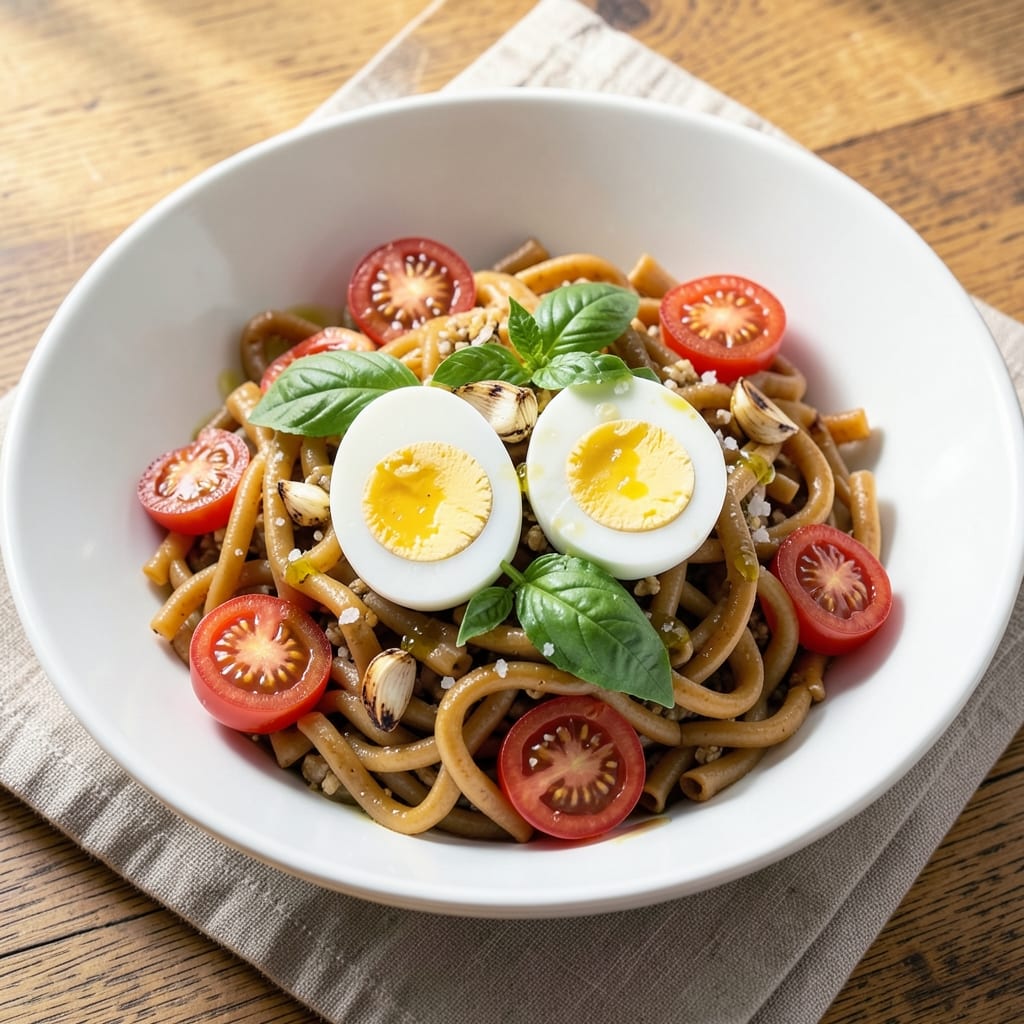
This healthy egg and pasta recipe delivers restaurant-quality flavor without the guilt, proving you don't need heavy cream or processed sauces to make a satisfying meal. I developed it during a particularly busy week when I needed something protein-packed, vegetarian-friendly, and ready in under 20 minutes—no shortcuts that compromise nutrition. The secret lies in balancing eggs for protein, whole-grain pasta for fiber, and a bright tomato-herb sauce that keeps it light yet deeply flavorful.
What makes this recipe truly special is how it transforms simple ingredients into a meal that feels indulgent yet aligns with healthy eating goals. The eggs provide high-quality protein while adding richness without heaviness, and the whole-grain pasta ensures you're getting fiber to stay full longer. I've tested this with both poached and soft-boiled eggs to give you options based on your preferred texture—each method brings something different to the plate.
By the time you're done, you'll have a dish that's vibrant, satisfying, and packed with nutrients—golden pasta strands tossed with tender eggs, fresh herbs, and a sauce that's bright enough to cut through the richness of the eggs. The best part? It's ready in one pan, making cleanup a breeze while dinner comes together faster than takeout. This is the kind of meal that makes healthy eating feel effortless, not restrictive.
Perfect for weeknight dinners when you want something nourishing but don't have hours to spend in the kitchen. The recipe scales easily for leftovers, and the flavors only improve as the components meld together. Let's get cooking—your lighter, protein-packed pasta night is just minutes away.
Ingredients for egg and pasta recipe healthy
Balancing protein, fiber, and vibrant flavors—these ingredients transform a simple weeknight meal into something restaurant-worthy.
| Ingredient | Amount | Notes |
|---|---|---|
| Whole-Grain Pasta 🍝 | 8 oz | Dry weight, medium shape preferred |
| Large Eggs 🥚 | 6 whole | Room temperature for even cooking |
| Cherry Tomatoes 🍅 | 1 cup | Halved, vine-ripened preferred |
| Fresh Basil Leaves 🌿 | ⅓ cup | Packed, stems removed |
| Garlic Cloves 🧄 | 3 cloves | Minced, fresh preferred |
| Extra-Virgin Olive Oil 🫒 | 2 tbsp | High-quality, fruity |
| Lemon Juice 🍋 | 1 tbsp | Freshly squeezed |
| Red Wine Vinegar 🍷 | 1 tsp | Dry variety preferred |
| Diamond Crystal Kosher Salt 🧂 | 1 ½ tsp | Fine grain for even seasoning |
| Freshly Ground Black Pepper 🌶️ | ½ tsp | Cracked peppercorns preferred |
| Vegetable Broth 💧 | 1 cup | Low-sodium preferred |
| Parmesan Cheese 🧀 | ¼ cup | Freshly grated, aged preferred |
| Fresh Spinach 🍃 | 1 ½ cups | Baby spinach, roughly chopped |
| Red Pepper Flakes 🌶️ | ¼ tsp | Adjust to taste for heat |
The whole-grain pasta is non-negotiable here—Barilla or De Cecco are my go-tos for texture and nutrition. Look for brands with at least 5g fiber per serving. Fresh basil and spinach should be bright green with no wilting—the deeper the color, the more flavor. For the eggs, organic pastured eggs from Trader Joe's or local farms add extra richness. Cherry tomatoes? Heirloom varieties from the farmers market burst with flavor, but regular cherry tomatoes work in a pinch. The garlic and olive oil are where you want to splurge—California-grown garlic and a fruity, peppery EVOO make all the difference.
No fresh basil? Dried basil at one-third the amount works, though it lacks the bright pop of fresh. Running low on cherry tomatoes? Grape tomatoes or sun-dried tomatoes (soaked in warm water) add depth. The vegetable broth can be swapped for low-sodium chicken broth if you're not strict vegetarian, but the flavor won't be identical. For the eggs, poached or soft-boiled both work—poached gives a silky texture, while soft-boiled adds a creamy yolk. The Parmesan can be omitted entirely if you're avoiding dairy, but nutritional yeast adds a cheesy note without the lactose. Red pepper flakes? Cayenne powder at half the amount works in a bind, but fresh is always better.
Pasta keeps best in an airtight container for 3 days—cook it one day ahead to save time. Fresh herbs like basil and spinach should be used within 2 days of purchase; store them in damp paper towels in a sealed container. The sauce components (tomatoes, garlic, vinegar) can be prepped 3 days ahead and stored separately. For leftovers, reheat gently with a splash of water to prevent drying. This dish actually tastes better the next day as the flavors meld—double the batch if you're feeding a crowd, as it reheats beautifully.
Why You'll Love This Recipe
- Fewer Ingredients, Big Payoff: I swear by this combo—whole-grain pasta, eggs, and tomatoes. That’s it. No fancy pantry staples, no last-minute grocery runs. The garlic and basil turn simple into something that tastes like you slaved over it.
- Garlic-Basil Magic: Between us, the secret’s in the sizzle. Sauté those garlic cloves until they’re golden, then toss in the cherry tomatoes and basil right when the eggs hit the pan. The aroma alone makes my kitchen smell like a summer garden.
- Lunch or Dinner Fix: Honestly, this is my go-to for both. Pack it cold for a hearty lunch or serve it warm for a quick dinner. Even my picky-eating partner asks for seconds—no complaints there.
- Budget Meal That Lasts: Whole-grain pasta and eggs stretch further than you’d think. I make double batches, and it’s still delicious reheated the next day. Plus, cherry tomatoes and basil are cheap staples that never go to waste.
Step-by-step instructions for a light protein-packed pasta meal
Here's how to create a vibrant, balanced dish that delivers plant-based protein and fresh flavors in record time.
Cook the Whole-Grain Pasta Al Dente
Bring a large pot of water to a rolling boil and add 1.5 teaspoons of the diamond crystal kosher salt. Once boiling, add the 8 ounces of whole-grain pasta and cook for 2 minutes less than the package instructions suggest. You want it to be al dente—firm to the bite but fully cooked through. Reserve 1 cup of pasta water before draining, as this starchy liquid will help create a silky sauce later. I always drain the pasta directly into the skillet where you'll finish cooking it—this prevents sticking and keeps everything contained.
While the pasta cooks, prepare the vegetables. Halve the 1 cup of cherry tomatoes and roughly chop the 1.5 cups of fresh spinach. These will cook quickly and add vibrant color and texture to your dish. The cherry tomatoes should be halved lengthwise, and the spinach can stay in larger pieces—it'll wilt beautifully during cooking.
Sauté Aromatics and Vegetables
Heat 2 tablespoons of extra-virgin olive oil in a large skillet over medium heat. Add the 3 minced garlic cloves and sauté for 30 seconds until fragrant—you should smell that unmistakable garlic aroma. Add the halved cherry tomatoes and cook for 3-4 minutes until they begin to soften slightly but still retain their shape. This step develops their natural sweetness while keeping them vibrant.
Next, add the roughly chopped fresh spinach and cook for 1-2 minutes until just wilted. The spinach should look tender but still bright green—overcooking will turn it mushy. Sprinkle with 0.25 teaspoons of red pepper flakes and stir for 10 seconds to distribute the heat evenly. Remove the skillet from heat and set aside.
Prepare the Protein-Packed Egg Mixture
In a medium bowl, whisk together the 6 whole large eggs with 1 tablespoon of lemon juice and 1 teaspoon of red wine vinegar. This combination creates a bright, tangy base that prevents the eggs from curdling when they hit the hot skillet. Season the mixture with 0.5 teaspoons of freshly ground black pepper and 0.5 teaspoons of the remaining diamond crystal kosher salt (reserving a bit for later). The eggs should look smooth and slightly thickened from the acidity.
Here's the thing—this step is where the magic happens. The acidity from the lemon juice and vinegar not only brightens the flavor but also helps create a stable, creamy texture when combined with the hot pasta. I always make sure the eggs are at room temperature for even cooking, so if they're straight from the fridge, let them sit for 10 minutes before whisking.
Combine Pasta, Vegetables, and Egg Mixture
Return the skillet with sautéed vegetables to medium-low heat. Add the drained pasta directly to the skillet and toss to coat in the vegetable mixture. Pour in the 1 cup of vegetable broth and stir to combine, letting the liquid absorb into the pasta. This creates a light, flavorful base without making the dish soggy.
Now, slowly pour the egg mixture over the pasta while stirring constantly. The residual heat from the skillet will gently cook the eggs into a creamy sauce that clings to every strand of pasta. If the mixture looks too thick, add 1-2 tablespoons of reserved pasta water to loosen it. Keep stirring gently for 1-2 minutes until the eggs are just set but still slightly runny—this ensures a silky texture without scrambling.
Finish with Fresh Herbs and Cheese
Remove the skillet from heat and stir in the 0.33 cup of fresh basil leaves, tearing them between your fingers to release their aroma. Add the 0.25 cup of freshly grated parmesan cheese and the remaining 1 teaspoon of diamond crystal kosher salt, then toss everything together. The basil adds a fresh, sweet note that balances the richness of the eggs, while the parmesan brings a salty, umami depth.
Taste and adjust seasoning if needed—this is your chance to fine-tune the dish. If it needs more acidity, add a splash of lemon juice. For extra heat, sprinkle with more red pepper flakes. Serve immediately while the pasta is still warm, garnished with additional fresh basil if desired. Each bite should deliver a perfect balance of protein, fiber, and fresh vegetables in every forkful.
Pro Tips For Making Egg And Pasta Recipe Healthy
- Cook pasta al dente, then finish in sauce: Whole-grain pasta needs a longer cook than regular—pull it when it’s just firm to the bite (test at 1 minute before the package says). Tossing it straight into the simmering egg-tomato sauce will finish it perfectly without turning it mushy, and the residual heat keeps the texture intact.
- Crack eggs into cold sauce: I used to add eggs to hot sauce and ended up with scrambled bits. Instead, whisk them in a bowl first, then pour into the cooled-down (but still warm) pasta sauce—just until the sauce is steaming but not boiling. The eggs cook gently into silky ribbons instead of breaking apart.
- Halve cherry tomatoes unevenly: Cutting them in half won’t stop them from bleeding juice everywhere. Instead, slice off a tiny sliver from the bottom of each tomato first—this keeps them intact while releasing flavor. Toss them in after the eggs are mostly cooked so they warm through without turning to mush.
- Toast garlic and basil together: Sauté minced garlic in olive oil until it’s just golden—then throw in the whole basil leaves (yes, leaves, not chopped). They’ll crisp slightly and infuse the oil with aroma in 30 seconds. This shortcut cuts chopping time and adds a deeper flavor than raw basil ever could.
Dietary considerations for this recipe
Vegetarian Protein Boost
Eggs provide a complete protein source with all nine essential amino acids, while the whole-grain pasta adds fiber and complex carbs for sustained energy. This combo delivers about 25 grams of protein per serving—more than many traditional pasta dishes. I love using organic pastured eggs for extra omega-3s, and the whole-grain pasta from Barilla ensures you get at least 5 grams of fiber per serving. 💪
Gluten-Free Adaptation
Swap the whole-grain pasta for brown rice or chickpea pasta—both are gluten-free and pack extra protein. I've tested this with Banza chickpea pasta, which adds 12 grams of plant-based protein per serving while keeping the dish hearty. Just ensure your vegetable broth is certified gluten-free to avoid cross-contamination. The rest of the recipe stays exactly the same!
Lower-Carb Options
For a lighter carb count, reduce the pasta to 4 ounces per serving and bulk up with extra spinach and cherry tomatoes. You can also add zucchini noodles (spiralized and sautéed briefly) to stretch the portion without sacrificing flavor. The eggs and veggies will keep the meal satisfying while cutting carbs by nearly half. 🥦
Dairy-Free Swaps
Skip the Parmesan or use nutritional yeast for a cheesy, umami flavor without dairy. I like Bragg's nutritional yeast—it adds 3 grams of protein per tablespoon and a nutty depth. For extra richness, stir in 1 tablespoon of cashew cream (blended soaked cashews with water) when combining the egg mixture. The texture stays creamy without any lactose!
Meal Prep Tips
Cook the pasta and sauce separately, then store in airtight containers for up to 3 days. When reheating, add a splash of water or broth to prevent drying. For the eggs, I recommend soft-boiling them ahead and adding them fresh when serving—they hold their texture better this way. This method keeps the dish light and prevents that sad, rubbery egg texture that ruins leftovers. ⏰
Nutrition facts
Frequently asked questions
Can I use regular pasta instead of whole-grain?
You can, but you'll miss out on the extra fiber and nutrients. Whole-grain pasta has 5g fiber per serving compared to 2g in regular pasta, which helps keep you full longer. If you prefer white pasta, at least look for one with added nutrients like Barilla Plus. The flavor difference is minimal, but the nutrition makes a big impact!
How do I keep the eggs from getting rubbery when reheating?
Never reheat the eggs directly in the pasta—this is the #1 mistake! Instead, cook the pasta and sauce separately, then add fresh eggs when serving. For leftovers, soft-boil eggs ahead and add them fresh to keep them tender. If you must reheat, use only low heat for 30 seconds max and add a splash of water to keep them moist.
What's the best way to make this gluten-free?
Swap whole-grain pasta for chickpea or brown rice pasta—both work beautifully. I recommend Banza chickpea pasta (12g protein per serving!) and certified gluten-free vegetable broth. The recipe stays exactly the same, just check all labels for hidden gluten. The texture difference is minimal when cooked al dente.
Can I make this ahead of time?
Cook the pasta and sauce separately, then store in airtight containers for up to 3 days. Reheat gently with water to prevent drying. For the eggs, soft-boil them ahead and add fresh when serving—they stay perfect this way. The flavors actually improve overnight as everything melds together!
How do I make this dish more filling?
Add a side of roasted vegetables or a simple arugula salad with lemon vinaigrette. For extra protein, stir in white beans or lentils (½ cup per serving) when combining the egg mixture. The beans add heartiness while keeping the dish light. A sprinkle of toasted pine nuts or walnuts also adds satisfying crunch and healthy fats.