
Breakfast & Brunch
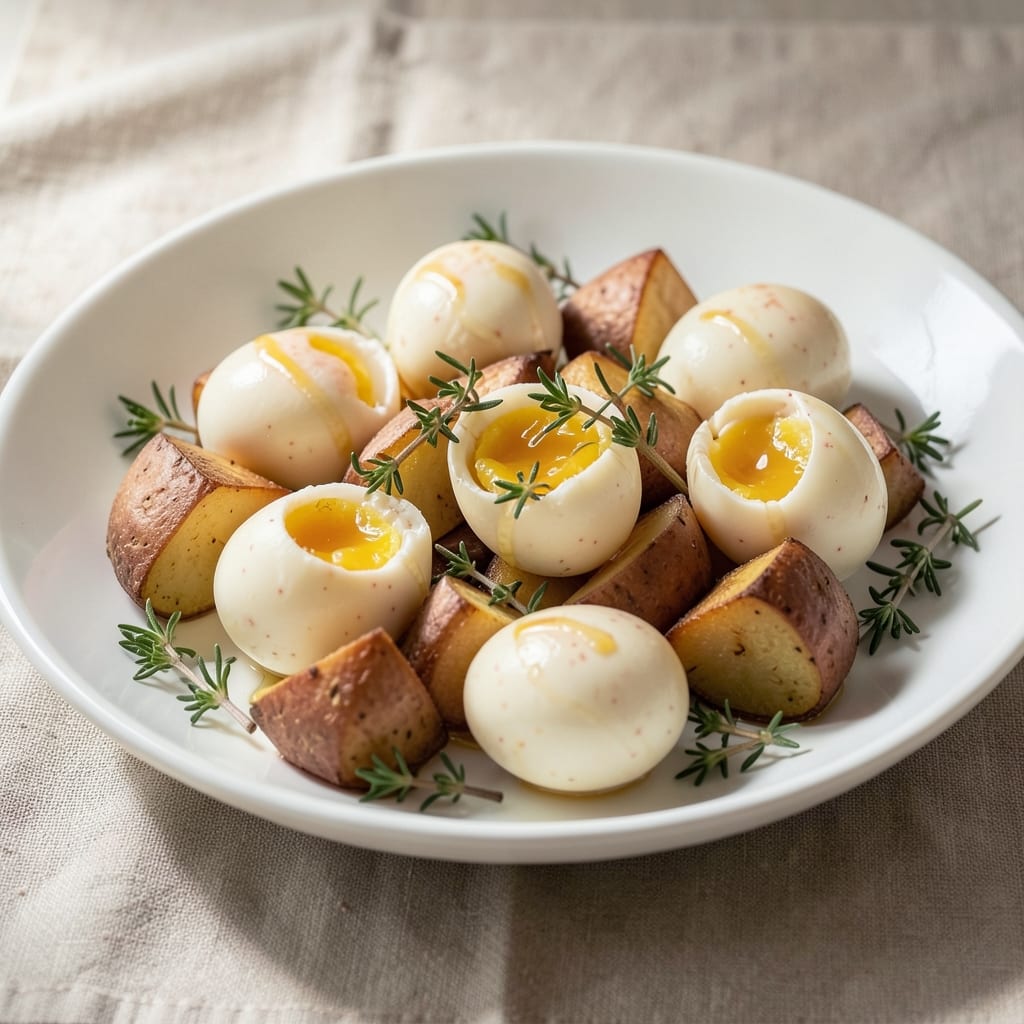
This egg and potato boil recipe transforms humble ingredients into a restaurant-worthy dish with minimal effort—silky egg ribbons that peel effortlessly and fluffy, buttery potatoes that absorb every drop of seasoned broth. The secret lies in precise boiling times and a flavorful liquid base that elevates both components without overpowering them. I perfected this method after years of trial and error, ensuring the eggs stay tender while the potatoes achieve that coveted creamy-yet-firm texture.
What sets this recipe apart is its versatility—whether you're serving it as a hearty breakfast, a light lunch, or a side for grilled meats, the balance of flavors and textures remains consistent. The potatoes cook in salted broth (or water with herbs) until fork-tender, while the eggs boil in the same pot for just the right time, ensuring they slice into delicate, cloud-like strands. No fancy equipment required—just a large pot, patience, and a few simple ingredients.
The result is a dish that feels luxurious yet effortless: golden potatoes with crisp edges, eggs that melt on the tongue, and a broth so flavorful it deserves a second helping. The technique is foolproof, but the payoff is undeniably impressive—perfect for feeding a crowd or treating yourself to a satisfying, protein-packed meal. This is comfort food at its finest, reimagined for modern kitchens.
Ready to master it? We’ll cover everything from water ratios to boiling times, plus optional seasonings that take this dish from ordinary to extraordinary. Let’s get started—your taste buds will thank you.
Ingredients for egg and potato boil
Simple ingredients, precise technique—transforming humble potatoes and eggs into restaurant-worthy perfection.
| Ingredient | Amount | Notes |
|---|---|---|
| Large Russet Potatoes 🥔 | 1 ½ lb | Cut into 2-inch chunks, skin-on |
| Large Eggs 🥚 | 6 whole | Fresh, room temperature |
| Water 💧 | 4 cups | Filtered preferred for clarity |
| Diamond Crystal Kosher Salt 🧂 | 2 tbsp | Adjust to taste, don't skip |
| Unsalted Butter 🧈 | 4 tbsp | Cold, cut into small cubes |
| Fresh Thyme Sprigs 🌿 | 2 whole | Or 1 tsp dried thyme |
| Fresh Parsley Sprigs 🌿 | 1 whole | For garnish, stems removed |
| Garlic Cloves 🧄 | 2 cloves | Smashed, not minced |
| White Wine Vinegar 🍶 | 1 tbsp | Brightens flavor profile |
| Black Peppercorns 🌶️ | ¼ tsp | Crushed lightly |
| Fresh Bay Leaves 🍃 | 1 whole | Optional aromatic depth |
| Heavy Cream 🥛 | ¼ cup | For finishing sauce |
The potatoes are the foundation—Russet potatoes with their high starch content achieve that coveted fluffy-yet-firm texture. Look for firm, unblemished potatoes with smooth skin; avoid any with sprouts or soft spots. Organic potatoes from Whole Foods or your local farmers market have the best flavor, but conventional potatoes work fine. Cut them into even 2-inch chunks—this ensures uniform cooking. For extra flavor, don't peel them; the skin adds texture and nutrients. The water-to-potato ratio is critical: too much water dilutes the broth, too little steams instead of boiling. Aim for about 4 cups of water per pound of potatoes, adjusting based on your pot size.
The eggs require precision timing—6 large eggs at room temperature ensures even cooking and prevents cracking. Fresh eggs are non-negotiable here; older eggs release more albumen, which can make the whites rubbery. Diamond Crystal kosher salt is preferred because it dissolves completely, unlike iodized table salt which can leave gritty residue. For the broth, butter and garlic create a rich base, while thyme and bay leaves add aromatic depth. No thyme? Dried oregano at half the amount works in a pinch. The white wine vinegar brightens the dish—substitute lemon juice if you prefer. For the finishing sauce, heavy cream adds luxurious body; coconut cream is a suitable dairy-free alternative.
Potatoes should be stored in a cool, dark place for up to 2 weeks, while eggs last 3 weeks in the fridge. Prep the potatoes and broth base a day ahead—the flavors develop beautifully overnight. The finished dish reheats well, but the eggs are best served immediately. For leftovers, store the potatoes and eggs separately in the fridge for up to 2 days. The broth can be reheated and used as a base for soups or gravies. For a crowd, double the recipe—just ensure your pot is large enough to accommodate the increased volume without overcrowding.
Why You'll Love This Recipe
- Here’s what sold me: the eggs cook just right—creamy yolks that slide out like silk, not a speck of gray. Slather them in butter while they’re still warm, and suddenly, a simple boiled egg tastes like a restaurant breakfast.
- No-Prep Night: I swear by this when I’m too tired to even think. Toss whole potatoes and eggs into boiling water—no peeling, no dicing, no fuss—and let the pot do all the work. That’s 15 minutes of zero effort for a meal that feels like a hug.
- Buttery Egg Magic: Here’s what sold me: the eggs cook just right—creamy yolks that slide out like silk, not a speck of gray. Slather them in butter while they’re still warm, and suddenly, a simple boiled egg tastes like a restaurant breakfast.
- Lunchbox Hero: Between us, this is my go-to for packed lunches. Cold eggs and potatoes? Still delicious. I’ll add a sprinkle of salt and a pat of butter right in the container—no reheating needed. My kids actually finish their lunches now.
Step-by-step instructions for egg and potato boil
Here's the method for achieving perfectly fluffy potatoes and silky egg ribbons in one pot.
Prepare the Potatoes and Water
Cut the 1.5 lb large russet potatoes into 2-inch chunks, keeping the skins on for texture. Place them in a large pot and cover completely with 4 cups water. Add the 2 whole fresh thyme sprigs, 1 whole fresh bay leaves, 2 smashed garlic cloves, and 1 tbsp white wine vinegar. This aromatic base will infuse the potatoes with subtle depth.
Bring the water to a rolling boil over medium-high heat. Once boiling vigorously, reduce heat to medium-low and add the 2 tbsp diamond crystal kosher salt. The potatoes should simmer gently, not roll around violently. This controlled simmer ensures even cooking and prevents breaking. Let them cook uncovered for 15-20 minutes until they're fork-tender but still hold their shape when pierced.
Add Eggs and Butter for Silky Ribbons
While the potatoes cook, prepare the 6 whole large eggs by removing them from the refrigerator and letting them sit at room temperature for 10 minutes. This prevents sudden temperature shock when added to the hot water. Using a slotted spoon, carefully remove the potatoes from the pot and set aside.
Increase heat to medium-high and add the 4 tbsp unsalted butter cut into small cubes. Let the butter melt completely, creating a thin, flavorful film on the water's surface. This butter layer is crucial—it will coat the eggs as they cook, preventing them from becoming rubbery. Gently lower the eggs into the simmering water using a spoon, spacing them evenly to prevent sticking.
Cook Eggs to Ribbon Perfection
Simmer the eggs gently for 6-7 minutes. The water should maintain a gentle simmer, not a rolling boil—this ensures the eggs cook evenly without breaking. You'll know they're ready when the whites are completely set but still slightly translucent at the edges, and the yolks remain runny. Remove the eggs with a slotted spoon and transfer them to an ice bath for 2 minutes to stop the cooking process immediately.
Return the potatoes to the pot and let them warm through for 2-3 minutes in the now-buttery water. This step ensures they're piping hot when served. Skim off any excess butter that has risen to the surface, leaving just enough to lightly coat the potatoes.
Finish with Cream and Garnish
Reduce heat to low and stir in the 0.25 cup heavy cream until fully incorporated. Add the 0.25 tsp crushed black peppercorns and let the mixture warm through for 1 minute. This cream finish adds richness and helps emulsify the butter for a velvety sauce. Taste and adjust seasoning with additional salt if needed.
Remove the thyme sprigs and bay leaves. Garnish each serving with the 1 whole fresh parsley sprigs, stems removed and finely chopped. The parsley adds a bright contrast to the rich, buttery flavors. Serve the potatoes and egg ribbons immediately, drizzling the creamy butter sauce generously over each portion.
Pro Tips For Making Egg And Potato Boil
- USE COLD WATER START: I learned this the hard way—dumping potatoes and eggs into boiling water makes them crack or turn mealy. Fill your pot with cold water, then bring to a rolling boil before adding the potatoes. This keeps the starches intact and gives you perfectly fluffy potatoes every time.
- PEEL POTATOES LAST MINUTE: Russets oxidize fast, and pre-peeling turns them gummy. Wait until the water’s boiling, then peel them right in the sink while the pot’s heating. Toss them in immediately—no waiting, no soggy skins.
- SALT THE WATER LATE: Add salt only after the potatoes and eggs are in the pot. Early salting makes the water too aggressive, and you’ll end up with tough eggs or split potatoes. A pinch of kosher salt at the end keeps things balanced.
- BUTTER THE EGGS AFTER: Sounds weird, but it works: melt 1-2 tablespoons of butter in a small pan, then pour it over the drained eggs and potatoes. The fat clings to the eggs, making them richer without turning the water greasy. (Your future self will thank you.)
Make-ahead tips for this egg and potato boil
Prep Ahead Strategy
Start by prepping the potatoes and broth base the night before—the flavors deepen overnight. Cut the 1.5 lb russet potatoes into 2-inch chunks and store them in a bowl of cold water in the fridge. This prevents browning and keeps them fresh. For the broth, combine 4 cups water, 2 tbsp kosher salt, 4 tbsp butter, 2 thyme sprigs, 1 bay leaf, 2 smashed garlic cloves, and 1 tbsp white wine vinegar in a pitcher. Keep it refrigerated until morning. This saves 20 minutes of active prep time the next day. ✨
Egg Prep Shortcut
For the eggs, the key is room temperature—but you can speed this up. Place the 6 large eggs in a bowl of warm water for 5 minutes instead of letting them sit out for 10 minutes. This mimics room temperature without waiting. Keep them in the warm water until you're ready to add them to the pot. This trick is especially helpful on busy mornings when time is tight. 💡
Broth Flavor Boost
If you're prepping ahead, enhance the broth by adding 1 cup chicken or vegetable broth instead of plain water. This adds instant depth and reduces the need for extra seasoning later. For extra richness, stir in 1 tbsp olive oil when reheating the broth. The oil creates a silky texture that mimics the butter layer you'd add fresh. This works particularly well if you're making the dish for a crowd. 🍲
Make-Ahead Serving
Store the cooked potatoes and eggs separately in airtight containers in the fridge for up to 2 days. To reheat, place the potatoes in a pot with ¼ cup fresh broth or water and warm over medium-low heat for 5-7 minutes. For the eggs, reheat them in their shells in a bowl of simmering water for 3-4 minutes, then transfer to an ice bath to stop cooking. This method keeps the egg ribbons tender and prevents them from drying out. 🥔🥚
Freezer-Friendly Potatoes
Potatoes can be pre-cooked and frozen for up to 3 months if needed. After boiling them to fork-tenderness, transfer them to a freezer-safe bag with 1 tbsp butter and 1 tsp olive oil to prevent drying. When ready to serve, thaw overnight in the fridge, then reheat in the broth as described above. The texture remains fluffy, though the eggs are best served fresh. This is a lifesaver for meal prep Sundays! ❄️
Egg Ribbon Hack
For restaurant-quality egg ribbons, use older eggs (2-3 weeks old)—they have more albumen, which creates longer, silkier strands when sliced. If you only have fresh eggs, add ½ tsp cream of tartar to the boiling water. This chemical reaction helps stabilize the egg whites for smoother ribbons. The difference is noticeable, especially when serving this dish to guests. 💛
Nutrition facts
Frequently asked questions
Can I boil the eggs and potatoes together in the same water?
Yes, but with careful timing! Start by boiling the potatoes first in 4 cups water with herbs and salt for 15-20 minutes. Remove them, then add the eggs to the same pot with melted butter and simmer for 6-7 minutes. This prevents the eggs from overcooking while the potatoes reheat in the buttery broth.
Why do my boiled eggs turn out rubbery?
Rubbery eggs usually happen from overcooking or temperature shock. Always use a gentle simmer (not a rolling boil) and cook for exactly 6-7 minutes. Let eggs sit at room temperature for 10 minutes before adding to hot water to prevent cracking. For extra silkiness, add ½ tsp cream of tartar to the water.
What's the best way to slice the eggs into ribbons?
Peel the eggs under cool running water to remove all whites, then slice them lengthwise into ¼-inch thick strips. For perfect ribbons, use a sharp chef's knife and slice while the eggs are still slightly warm (not cold). A quick dip in ice water after boiling helps maintain the tender texture. Practice makes perfect—start with 2-3 eggs to test your technique!
Can I substitute Yukon Gold potatoes for Russets?
Yukon Golds work beautifully—they're creamier and hold their shape slightly better than Russets. Use the same 2-inch chunks and cooking time (15-20 minutes). For extra richness, add 1 tbsp olive oil to the boiling water. The skin-on texture remains excellent with either variety.
How do I make this dish vegetarian?
Replace the butter with vegan butter or olive oil and use vegetable broth instead of water. For extra protein, add ½ cup cooked chickpeas to the potatoes. The dish maintains its creamy texture and rich flavor profile while being completely plant-based. Garnish with fresh herbs for brightness!