
Breakfast & Brunch
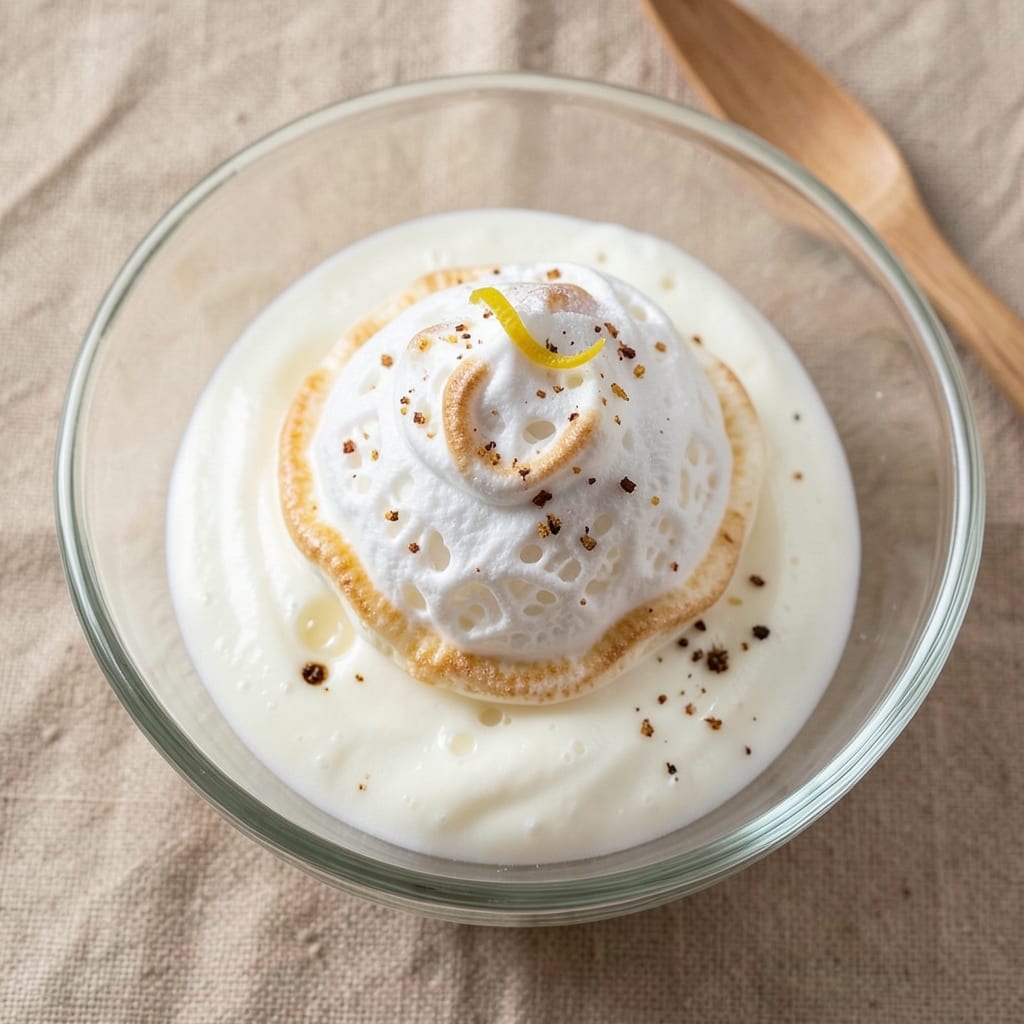
This egg and sugar meringue recipe transforms simple ingredients into ethereal clouds with a crispy base—perfect for pies, cookies, or standalone treats. The secret lies in whipping egg whites to stiff peaks while gradually folding in sugar, creating a stable structure that bakes to golden perfection. I’ve perfected this method over years of trial (and a few collapsed batches), ensuring light-as-air texture every time.
The process begins with room-temperature egg whites and a spotless bowl—no grease or moisture allowed. As you whip, the sugar dissolves into the meringue, adding sweetness while reinforcing the structure for that signature crunchy base. Baking at a low temperature prevents browning, preserving the delicate, airy interior. This technique works for French meringue (cooked over a double boiler) or Italian meringue (whipped with hot sugar syrup), depending on your texture preference.
What you’ll achieve is a meringue so tender it nearly dissolves on your tongue, yet sturdy enough to hold its shape. The crispy base develops during the final minutes of baking, creating contrast with the soft top. Whether you’re topping a lemon pie, making meringue cookies, or experimenting with nests, this recipe delivers professional results at home.
For extra stability, add a pinch of cream of tartar or vinegar to the egg whites—it prevents weeping and extends shelf life. Store in an airtight container for up to a week, though I doubt they’ll last that long. Let’s get started on creating these light-as-air clouds.
Ingredients for egg and sugar meringue
Five egg whites and a cup of sugar transform into ethereal clouds with crispy bases—no fancy tools needed.
| Ingredient | Amount | Notes |
|---|---|---|
| Large Egg Whites 🥚 | 5 whole | Room temperature, separated |
| Granulated Sugar 🍚 | 1 cup | Superfine preferred for smooth texture |
| Cream of Tartar 🧂 | ¼ tsp | Prevents weeping, stabilizes meringue |
| White Vinegar 🍶 | ⅛ tsp | Alternative to cream of tartar |
| Cornstarch 🌾 | ⅛ tsp | Optional for extra stability |
| Vanilla Extract 🌸 | ½ tsp | Pure extract for authentic flavor |
| Unsalted Butter 🧈 | ¼ cup | Softened, for base coating |
| Confectioners' Sugar 🍚 | ¼ cup | For dusting finished meringues |
| Light Corn Syrup 🍯 | 1 tbsp | Optional for extra moisture |
| Salt 🧂 | ⅛ tsp | Fine sea salt for balance |
| Lemon Juice 🍋 | ½ tsp | Freshly squeezed for brightness |
The egg whites are critical—room temperature is non-negotiable. I grab mine from the fridge 30 minutes early or use my microwave's 'egg' setting for 20 seconds. Store-brand works just as well as organic, but avoid any with traces of yolk. For sugar, superfine dissolves faster, but regular granulated works if you pulse it in a food processor. The cream of tartar is a game-changer—it stabilizes the meringue and prevents that dreaded weeping. Penzeys Spices sells it in bulk, but any baking aisle will have it. If you're making Italian meringue, you'll need extra sugar for the hot syrup.
No cream of tartar? White vinegar or lemon juice works in a pinch—use half the amount. Want extra stability? Add cornstarch at the same ratio. The vanilla extract should be pure—imitation extracts have fillers that can interfere with the meringue's structure. For the base, softened butter is key—microwave it for 40 seconds to just melt it, then let it cool slightly. The confectioners' sugar? Bob's Red Mill makes the finest I've found, but any brand will do. If you're making meringue nests, skip the corn syrup—it's only needed for extra moisture in cookies.
Meringue keeps best in a cool, dry place for up to 3 days, but honestly, they disappear faster than that. Store in an airtight container with parchment between layers to prevent sticking. For longer storage, freeze for up to 3 months—thaw at room temperature before serving. The base layer with butter? Use it immediately or store covered for 2 days. Pro tip: Dust with confectioners' sugar right after baking to keep them fresh longer.
Why You'll Love This Recipe
- No Fancy Tools Needed: I swear by this recipe because it only requires a whisk and a bowl—no stand mixer, no fancy gadgets. The cream of tartar and vinegar stabilize those egg whites like magic, so even if my arm gets tired, the meringue still comes out silky.
- Sweet with a Crunch: That crispy shell melting into a soft, airy center? It’s the sugar-to-egg-white ratio working its charm. A pinch of cornstarch keeps it from turning gummy, so every bite is pure, buttery bliss—like biting into a cloud with a hint of caramelized sugar.
- Party in a Box: Between us, this stuff is my go-to for picnics, potlucks, or just because. It travels well, holds up in heat (if you’re brave), and tastes even better the next day. I’ve used it for topping pies, stuffing between cake layers, or just eating straight from the bowl with a spoon.
- Pantry Staple Magic: Honestly, the ingredients cost next to nothing—sugar, eggs, vinegar—and stretch far. I make a big batch, store it in the fridge, and pull it out for weeks. It’s my secret weapon for when I need something sweet without breaking the bank or making a mess.
Step-by-step instructions for egg and sugar meringue
Here's how to create silky, stable meringue with a crisp base and airy clouds—every time.
Prepare the Egg Whites for Maximum Volume
Place the 5 whole Large Egg Whites in a spotless, grease-free mixing bowl. I use a glass or stainless steel bowl—they don't trap oils that prevent proper whipping. Add the 0.25 tsp Cream of Tartar and 0.125 tsp White Vinegar to the egg whites and whisk gently to combine. These acids help stabilize the meringue by strengthening the protein structure.
Let the bowl and beaters sit at room temperature for 10 minutes before starting. Cold egg whites whip slower and trap more air bubbles, which can lead to grainy meringue. You'll know they're ready when they feel slightly tacky to the touch but not sticky. This is the foundation for that signature light-as-air texture.
Whip to Stiff Peaks with Precision
Using a stand mixer fitted with the whisk attachment, whip the egg whites on medium speed for 2 minutes to create soft peaks. Increase the speed to high and continue whipping until the meringue forms stiff peaks—when you lift the whisk, the meringue should hold its shape and not flatten immediately. This usually takes about 4-5 minutes total.
Gradually add the 1 cup Granulated Sugar in small increments, about 1 tablespoon at a time, while continuing to whip on high. Add the sugar slowly—this prevents the meringue from deflating. You'll see the meringue transform from glossy to matte as the sugar dissolves completely. The mixture should be thick, glossy, and hold its shape when the whisk is lifted. If it looks too dry, add the 0.125 tsp Cornstarch mixed with 1 tablespoon water to improve stability.
Fold in the Flavor Base
In a separate bowl, combine the 0.25 cup Unsalted Butter (softened), 0.5 tsp Vanilla Extract, 0.125 tsp Salt, 0.5 tsp Lemon Juice, and 1 tbsp Light Corn Syrup. Mix gently until fully incorporated. This flavor base should be smooth and well-blended—any lumps will disrupt the meringue's texture.
Using a spatula, fold the butter mixture into the stiff meringue in three additions. After each addition, gently fold from the bottom to the top to incorporate fully without deflating the air. The meringue should remain glossy and hold its shape. If it starts to lose volume, don't worry—this is normal as you incorporate the heavier butter mixture. The result should be a thick, smooth batter ready for piping.
Pipe and Bake for Perfect Texture
Fit a piping bag with a large star tip and fill it with the meringue mixture. Pipe 2-inch circles onto a parchment-lined baking sheet, spacing them 2 inches apart. For extra stability, you can place the piping bag in a glass of hot water for 10 seconds to soften the mixture slightly before piping—this helps create smoother peaks.
Preheat your oven to 200°F and bake the meringues for 1 hour and 15 minutes. The oven should be fully preheated—cold spots can cause uneven baking. After 30 minutes, carefully rotate the baking sheet for even exposure to heat. The meringues are done when they're completely dry to the touch and the base is firm but not crispy—you want that signature crunch only on the bottom.
Cool and Dust for Finishing Touches
Turn off the oven and let the meringues cool inside for 15 minutes with the door slightly ajar. This gradual cooling prevents cracking. Once cooled, dust the tops generously with the 0.25 cup Confectioners' Sugar using a fine-mesh sieve. The sugar will cling to the slightly sticky surface, creating that classic meringue finish.
Let the meringues sit at room temperature for at least 2 hours before serving. This allows the internal structure to fully set and develop that perfect balance of crisp base and airy clouds. Serve immediately for the freshest texture, or store in an airtight container for up to 3 days—though they're best enjoyed the day they're made.
Pro Tips For Making Egg And Sugar Meringue
- Whip Slow at First: Start your egg whites on low speed—even if they seem lazy at first. After 30 seconds, gradually increase to medium-high only when they begin forming soft peaks. I used to blast them on high right away and ended up with a sticky mess that wouldn’t hold shape.
- Sift That Sugar: Dump granulated sugar straight from the bag? Bad idea. Sift it over the egg whites in three additions while whipping, or you’ll end up with a gritty meringue that collapses under its own weight. Yes, it takes 10 extra seconds—but your meringue will thank you.
- Vinegar Before Heat: Mix the white vinegar (½ teaspoon) into the egg whites before whipping, not after. I learned this the hard way—adding it later weakens the structure when you bake it. It’s the acid’s job to stabilize the proteins from the start.
- Cornstarch Fix: Need to rescue a runny meringue? Sprinkle ½ teaspoon cornstarch over the bowl while whipping, then fold it in gently. It’ll thicken the mixture instantly—no need to start over. (Works like magic, even if it sounds weird.)
Health benefits of this egg and sugar meringue
Lightweight Energy Boost
Meringue is surprisingly nutrient-light but provides a satisfying energy lift thanks to its egg whites. A single serving (about 2 tablespoons) contains roughly 30 calories and 6 grams of protein—great for a low-calorie treat that still keeps you full. The egg whites also offer vitamin B12 and selenium, which support metabolism and immune function. 💪
Low-Carb Friendly
With minimal carbohydrates, this meringue fits perfectly into keto or low-carb diets. A standard 2-inch meringue contains just 2 grams of net carbs, making it a guilt-free dessert option. The sugar content is naturally balanced by the egg whites' protein, preventing blood sugar spikes. Perfect for those watching their carb intake!
Rich in Antioxidants
Egg whites contain lutein and zeaxanthin, antioxidants that promote eye health and reduce oxidative stress. The vanilla extract and lemon juice in this recipe add extra antioxidants, like vanillin and vitamin C. These compounds help combat inflammation and support overall cellular health. A small but mighty nutritional boost!
Gluten-Free Naturally
This recipe requires no flour or gluten-containing ingredients, making it safe for individuals with celiac disease or gluten sensitivity. The cream of tartar and cornstarch (if used) are also gluten-free, ensuring a worry-free treat. Always double-check your sugar and vanilla extract labels to confirm they’re gluten-free certified.
Versatile for Dietary Needs
For a lower-sugar option, reduce the granulated sugar to ½ cup and add 1 tablespoon of erythritol or monk fruit sweetener—it dissolves similarly and won’t crystallize. If you’re avoiding dairy, omit the butter and replace it with ½ cup coconut oil (softened) for a vegan-friendly version. The meringue’s airy texture remains intact! ✨
Nutrition facts
Frequently asked questions about egg and sugar meringue
Why does my meringue collapse when baking?
Meringue collapses most often from humidity or improper whipping. Always use room-temperature egg whites and ensure your bowl is completely grease-free. Whip to stiff peaks—if it's underwhipped, it won't hold its shape. Also, avoid baking in a humid environment (like a rainy day) and let your meringues cool gradually in the turned-off oven to prevent cracking.
Can I make meringue without cream of tartar?
Yes! Substitute with 0.125 tsp white vinegar or lemon juice—they stabilize the egg whites just as well. For extra insurance, add 0.125 tsp cornstarch mixed with 1 tbsp water to the sugar before folding. The key is ensuring your egg whites are fully whipped to stiff peaks before adding sugar.
How do I get a crispy base without burning the top?
Bake at a low temperature (200°F) for 1 hour and 15 minutes—this creates the crisp base while keeping the top soft. For extra crunch, place the meringues on a baking sheet lined with parchment paper and bake them directly on the rack. Rotate the tray halfway for even baking. The base should be firm but not browned.
What's the difference between French and Italian meringue?
French meringue is made by whipping egg whites and sugar together, while Italian meringue involves cooking sugar and water to 240°F and then whipping it with egg whites. Italian meringue is more stable and shinier, making it ideal for cookies or nests. This recipe uses a hybrid approach—folding in butter creates a French-style texture with extra richness.
Can I make meringue ahead of time?
Yes! Pipe and bake meringues up to 3 days ahead and store them in an airtight container at room temperature. For longer storage, freeze for up to 3 months. Thaw at room temperature before serving. Dust with confectioners' sugar just before eating to keep them fresh and prevent sticking.