Breakfast & Brunch
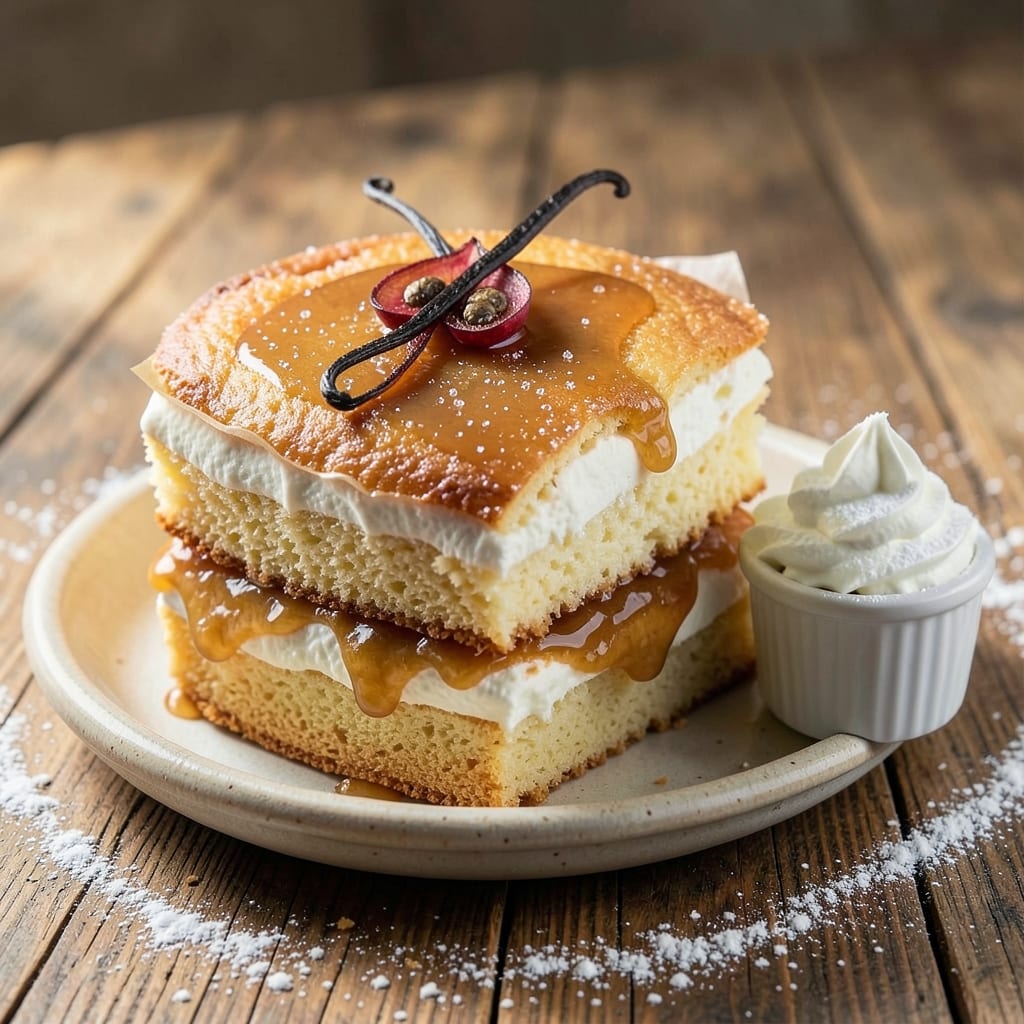
Eggs can transform simple pancakes into fluffy, cloud-like stacks without yeast or baking powder—this recipe proves it. 💛 The secret lies in how eggs act as a leavening agent, creating air pockets that give your pancakes that signature lightness. I developed this method after struggling with dense pancakes that always felt heavy, and it changed everything.
What makes this recipe work is the whisking technique—beating the eggs vigorously incorporates air, which expands when cooked. The result? Pancakes with a golden crust and a tender, airy interior that practically dissolves on your tongue. No special equipment needed, just a bowl, whisk, and a hot griddle.
This method isn’t just for pancakes—you can adapt it for waffles, cakes, or even breads, all while keeping the process simple. The eggs do the heavy lifting, so you don’t have to worry about measuring baking powder or waiting for yeast to rise. Perfect for busy mornings or when you want restaurant-quality results at home.
Once you try this, you’ll never go back to traditional pancake recipes. The texture is unmatched, and the flavor is pure comfort food. Ready to make your pancakes lighter than ever? Let’s get started.
Ingredients for egg as a leavening agent
Four eggs, one bowl, and a whisk—this is all you need for pancakes that rise like magic.
| Ingredient | Amount | Notes |
|---|---|---|
| Large Eggs 🥚 | 4 whole | Room temperature for best whisking |
| All-Purpose Flour 🌾 | 1 ½ cups | Sifted for light texture |
| Granulated Sugar 🍯 | ¼ cup | Or maple syrup for depth |
| Unsalted Butter 🧈 | ½ cup | Melted, full-fat preferred |
| Milk 🥛 | 1 cup | Whole milk for creaminess |
| Vanilla Extract 🌿 | 1 tsp | Pure extract, not imitation |
| Salt 🧂 | ½ tsp | Fine sea salt preferred |
| Baking Soda 💥 | ½ tsp | Small amount for lift |
| Vegetable Oil 🫒 | 1 tbsp | For greasing griddle |
| Maple Syrup 🍁 | ½ cup | For serving, grade A preferred |
The eggs are the star here, so grab the freshest you can find—they whip up fluffier. Store-brand eggs work just fine, but if you're feeling fancy, grab organic from the grocery store's refrigerated section. The flour? King Arthur or Bob's Red Mill are my go-tos—they're finely milled and give the best texture. Skip the pre-sifted flour though; sifting yourself ensures no lumps. For the butter, Land O'Lakes or Plugrá melt smoothly, but any unsalted butter will do. Pro tip: melt it gently in the microwave (40 seconds) so it's just warm, not hot—this helps emulsify better with the eggs.
No vanilla extract? Almond extract at half the amount works in a pinch, but vanilla's the classic choice. Running low on milk? Evaporated milk or even water keeps things moving, though whole milk gives that perfect richness. The baking soda is crucial—it's what reacts with the acid in the buttermilk (if you were using it) or the eggs' natural acidity to create lift. No baking soda? Whisk the eggs for 5 minutes longer to incorporate extra air. For the syrup, grade A maple has that perfect balance of sweetness and complexity, but pancake syrup from the store is totally fine if you're in a rush.
These pancakes are best made fresh, but you can prep the batter ahead and refrigerate it for up to 24 hours. Just whisk again before cooking. Leftover pancakes? Freeze them between parchment paper for up to 3 months—they reheat perfectly in a toaster or skillet. The secret to golden crusts? Keep your griddle medium-low heat and use that vegetable oil to grease it well. A little extra butter on top while cooking? Don't skip this part—it makes all the difference.
Why You'll Love This Recipe
- No Mixer Needed: The eggs do all the work—just fold the batter together. No electric mixer, no overmixing, no stress. I’ve made this with a spoon while chatting on the phone, and it still turns out light and airy.
- Buttery Sweet Magic: That butter and sugar combo? It’s like a warm hug for your taste buds. The eggs create a tender crumb, while the sugar caramelizes just enough to give it a subtle golden depth—no extra syrup required.
- Weeknight to Brunch Hero: Serve it warm with a drizzle of honey for dinner, or slice it up for breakfast sandwiches the next day. Honestly, I’ve even used leftover pieces to make French toast—because why waste good cake?
- Pantry Staple Power: Five ingredients, zero specialty items. The flour, sugar, and butter are probably already in your cupboard, and eggs? Always on hand. It’s my go-to when I’m broke or lazy—or both. (Yes, even on a Tuesday night.)
Step-by-step instructions for fluffy pancakes using eggs as leavening
Here's how to make cloud-like pancakes where eggs do all the heavy lifting.
🍳 Step 1: Melt Butter and Whisk Eggs for Maximum Rise
Melt the 0.5 cup unsalted butter in a small saucepan over low heat until completely liquid but not browned. While it melts, crack all 4 whole large eggs into a large mixing bowl and whisk vigorously for 2-3 minutes until the yolks and whites are fully combined and the mixture lightens in color. This step is crucial—whisking incorporates air, which helps create those signature fluffy pancakes.
Once the butter is melted, remove it from heat and let it cool slightly for 2 minutes—it should be warm but not hot. Then pour it into the egg mixture while whisking constantly. This creates tiny fat pockets that will help distribute heat evenly and prevent dense pancakes. The butter should blend completely, leaving you with a smooth, slightly thickened egg mixture.
👨🍳 Step 2: Combine Wet and Dry Ingredients for Light Texture
In a separate medium bowl, sift together the 1.5 cups all-purpose flour, 0.25 cup granulated sugar, 0.5 tsp salt, and 0.5 tsp baking soda. The baking soda will react with the eggs to create lift, but we're relying primarily on the eggs' air incorporation for that signature fluffiness. Whisk these dry ingredients just until combined—don't overmix or you'll develop gluten and end up with tough pancakes.
Next, add the 1 cup milk and 1 tsp vanilla extract to the dry ingredients. Stir until just combined—you should still see small flour streaks. Then, gently fold this mixture into the egg-butter combination using a spatula. Be careful not to overmix; just combine until everything is evenly distributed. The batter should be slightly thicker than typical pancake batter but still pourable.
🔥 Step 3: Heat the Griddle and Cook Pancakes Perfectly
Heat a griddle or large skillet over medium heat until it's hot enough that a drop of water sizzles and evaporates immediately. Brush the griddle with 1 tbsp vegetable oil, spreading it evenly—this prevents sticking and creates a crispy bottom. For each pancake, pour about ¼ cup of batter onto the griddle. You should get about 4 pancakes from this recipe.
Cook until bubbles form on the surface of the pancake and the edges look set (2-3 minutes). Here's the key: flip only once, when you see those bubbles popping consistently. The pancake should release easily from the griddle when ready to flip. Cook the other side for another 1-2 minutes until golden brown. Keep pancakes warm in a 200°F oven while you cook the remaining batter.
🍽️ Step 4: Serve Warm with Maple Syrup
Transfer the cooked pancakes to a serving platter and keep them warm. These pancakes should be light, airy, and have a slightly crispy exterior from the griddle. They'll continue to rise slightly as they cool, but serve them immediately for that perfect fluffy texture. The egg-based leavening creates a delicate, almost soufflé-like interior that's truly impressive.
Drizzle each stack with 0.5 cup maple syrup (about 2 tablespoons per pancake) and serve warm. The syrup will soak into the fluffy layers, enhancing their natural sweetness. These pancakes are perfect for weekend breakfasts—they're light enough for brunch but hearty enough for a comforting meal any time of day.
Pro Tips For Making Egg As A Leavening Agent
- Whisk Eggs Until Ribbon Stage: Don’t just beat the eggs—stretch the mixture between your whisk and the bowl until it forms a clear, slow-moving ribbon. This ensures proper emulsification with the butter and milk, which actually makes your baked good rise better than if you just give it a quick stir. I learned this the hard way when my cake turned out dense and flat—turns out, eggs need that extra work to do their leavening job right.
- Use Room-Temp Eggs: Cold eggs from the fridge won’t blend smoothly into the butter and sugar, and they can create pockets of uneven texture in your batter. Let them sit in warm water for 5 minutes if you’re in a rush, but ideally, take them out 30 minutes before mixing. Trust me, your cake’s crumb will thank you—it’ll be lighter and more uniform.
- Sift Flour First: Egg-leavened batters rely on the flour’s structure to hold air, and lumps can sink like stones, killing your rise. Sift the flour directly into the bowl before adding the wet ingredients, then gently fold it in with a spatula. Yes, it’s an extra step, but it’s the difference between a cake that collapses and one that holds its shape.
- Don’t Overmix After Flour: Once you add the flour, stop mixing the second everything just comes together—no streaks, no dry bits. Overmixing develops gluten, which makes your baked good tough instead of tender. I used to think more mixing = better texture, but now I know: less is more, and your recipe will stay light and fluffy.
Common mistakes when making this recipe
Over-Whisking the Eggs
I see this all the time—people whip those eggs until they're frothy like meringue. But for pancakes, you only need to whisk until the yolks and whites are fully combined and the mixture lightens slightly. Over-whisking creates too many air bubbles that collapse during cooking, leading to dense pancakes. Aim for 2-3 minutes max—just until the eggs are smooth and slightly thickened. 🥚
Underestimating the Butter's Role
The melted butter isn't just for flavor—it's what helps distribute heat evenly and creates fat pockets that prevent dense pancakes. Pouring it into hot eggs causes instant curdling. Always let the butter cool slightly (2 minutes) before mixing. I've ruined batches by adding hot butter straight to the eggs—it turns grainy and affects the texture completely.
Skipping the Room-Temperature Eggs
Cold eggs from the fridge won't incorporate air as well, leading to flat pancakes. Take your eggs out 30 minutes before starting or run them under warm water for 1 minute to bring them to room temperature. I learned this the hard way when my first batch turned out like pancake bricks—definitely not the fluffy result we're going for here.
Using the Wrong Heat Setting
Too hot, and your pancakes burn before they're done. Too low, and they steam instead of browning. The griddle should be at medium heat—hot enough that a drop of water sizzles instantly. I've had pancakes stick like glue when the griddle wasn't properly heated, or turn into hockey pucks when cooked too slowly. That 1 tbsp vegetable oil brush is your best friend for even cooking.
Overmixing the Batter
Once you combine the wet and dry ingredients, stop mixing the moment everything is just incorporated. Overmixing develops gluten, which makes pancakes tough instead of tender. Think of it like folding in cake batter—just until no dry spots remain. I've had to start over when I got carried away and ended up with pancakes that could've doubled as boot soles. 🍳
Ignoring the Resting Time
If you're making the batter ahead, let it rest for 10-15 minutes before cooking. This allows the baking soda to fully activate and the eggs to relax their structure. I once tried cooking batter immediately after mixing and ended up with pancakes that were more like dense crepes. Patience here makes all the difference for that perfect fluffy texture.
Nutrition facts
Frequently asked questions
Why do eggs work as a leavening agent in pancakes?
Eggs create air pockets through vigorous whisking, which expand when cooked. The proteins in eggs coagulate at 144°F while the air inside expands, giving pancakes their signature fluffiness. This method eliminates the need for yeast or baking powder while still delivering that light, airy texture we all love.
Can I make these pancakes without butter?
Yes! Replace the butter with ½ cup neutral oil (like vegetable or canola) for melting. The oil won't add the same rich flavor, but it will still help create those air pockets. For a dairy-free option, you could also use coconut oil, though it has a distinct taste. The texture will be slightly different but still light and fluffy.
How do I adapt this for waffles?
Use the same batter but pour it into a preheated waffle iron. Cook until the waffle is crispy and golden (about 3-4 minutes, depending on your iron). The egg leavening works just as well for waffles, giving them that signature airy interior with crispy edges. Serve with extra maple syrup or fresh berries for a brunch favorite.
What if my pancakes turn out dense?
Dense pancakes usually mean you over-whisked the eggs or didn't incorporate enough air. Next time, whisk the eggs for only 2-3 minutes and make sure your griddle is at the right medium heat. Also, check that your eggs were room temperature—they incorporate air much better when warm. A quick fix? Add ½ tsp baking powder to the batter for extra lift.
Can I use this method for savory dishes?
Try making egg-leavened fritters or savory pancakes by omitting the sugar and adding herbs, cheese, or cooked veggies. The egg leavening works perfectly for dishes like potato pancakes or zucchini fritters. Just adjust seasonings to your taste—salt, pepper, and garlic powder work wonderfully.