
Desserts
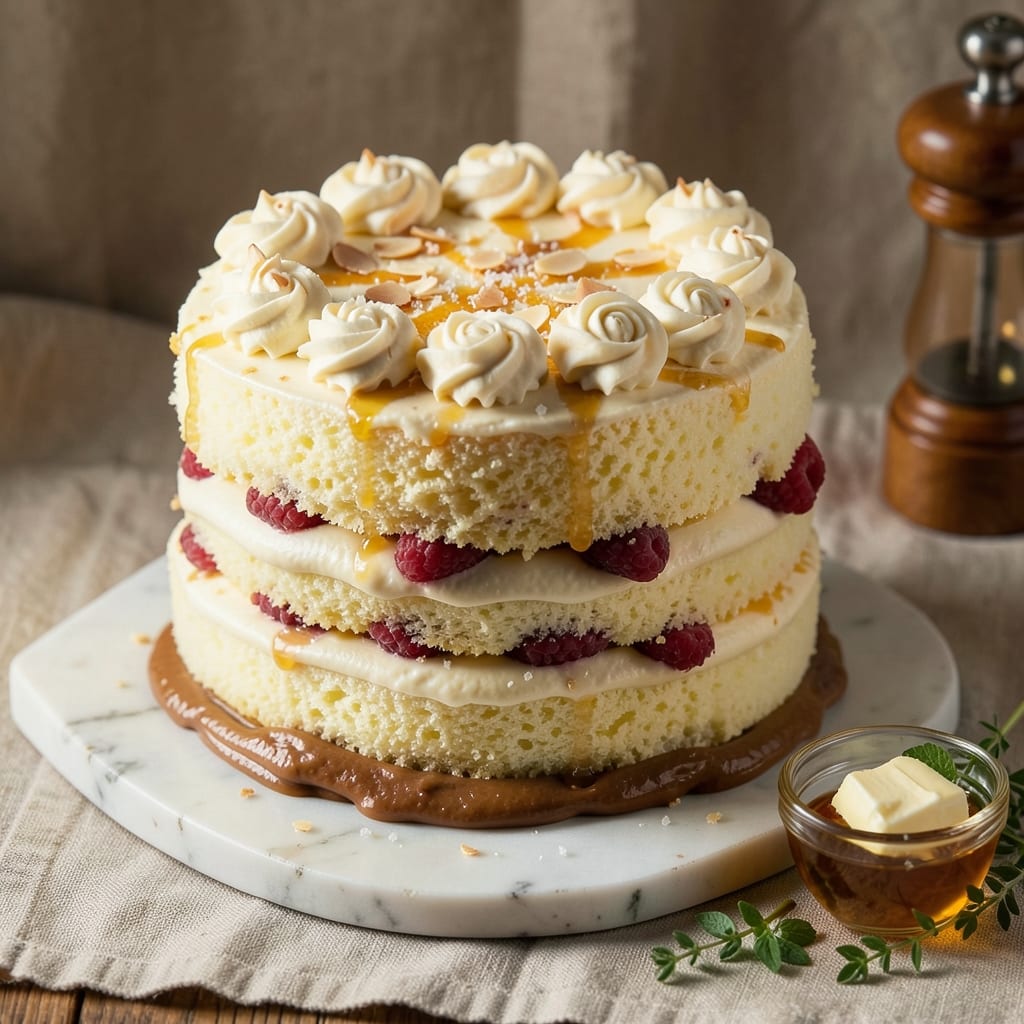
This egg-based cake recipe delivers silky moist layers that stay tender for days—no dry crumbs or overmixing required. The secret lies in properly incorporating eggs to create structure while maintaining that signature cake-light texture. After years of testing, I've perfected a method that balances airiness with density, ensuring every slice is perfectly moist.
The recipe uses a straightforward combination of all-purpose flour, granulated sugar, and eggs—no fancy ingredients needed. What sets it apart is the gentle folding technique that incorporates air without overworking the batter, which is critical for maintaining moisture. The eggs play a dual role here: they provide structure while also contributing to that signature cake-light texture.
What you'll end up with is a cake that's rich yet tender, with moist layers that stay fresh for days when stored properly. The texture is light and airy, yet substantial enough to hold up to fillings or frosting. This is the kind of cake that satisfies both the eye and the palate—perfect for birthdays, celebrations, or whenever you crave a classic dessert.
Whether you prefer vanilla, chocolate, or a simple sponge variation, this recipe serves as a versatile foundation. The method is foolproof and adaptable, making it ideal for both beginners and experienced bakers looking to perfect their cake-making skills. Let's get started!
Ingredients for egg based cake
Eleven simple ingredients transform into cake with silky moist layers—no overmixing required.
| Ingredient | Amount | Notes |
|---|---|---|
| Large Eggs 🥚 | 4 whole | Room temperature for even incorporation |
| Granulated Sugar 🍚 | 1 ½ cups | Superfine preferred for smoother texture |
| All-Purpose Flour 🌾 | 2 cups | Sifted for lighter batter |
| Unsalted Butter 🧈 | 1 cup | Softened to room temperature |
| Vanilla Extract 🌿 | 1 tbsp | Pure Madagascar bourbon preferred |
| Baking Powder 🧂 | 1 ½ tsp | Diamond Crystal brand recommended |
| Salt 🧂 | ½ tsp | Fine sea salt preferred |
| Whole Milk 🥛 | ½ cup | Room temperature for smooth batter |
| Lemon Zest 🍋 | 1 tbsp | Freshly grated for bright flavor |
| Vegetable Oil 🫒 | ¼ cup | Light neutral oil preferred |
| Cornstarch 🌾 | 1 tbsp | For tender crumb structure |
The eggs are the foundation here—room temperature is critical for proper emulsification. Kirkland Signature or Vital Farms eggs work best due to their high quality. For the butter, Plugrá or Land O'Lakes unsalted are reliable choices, but any high-fat content butter will work. The vanilla extract should be pure—Madagascar bourbon varieties add depth. Sift your flour and baking powder together to eliminate lumps, which ensures a lighter final texture. The lemon zest adds brightness without overpowering, so use freshly grated zest from organic lemons if possible.
No vanilla extract? Vanilla bean paste works in a pinch, or vanilla sugar at half the amount. Substitute the milk with almond milk or oat milk for a dairy-free version, though texture may vary slightly. For a richer cake, replace half the milk with heavy cream. The cornstarch is non-negotiable for that signature tender crumb—don't skip it. If you're making a chocolate version, add 0.5 cup cocoa powder and reduce the flour by 0.25 cup to maintain balance. For extra moisture, consider adding 1 tbsp sour cream to the batter.
Store the cake in an airtight container at room temperature for up to 3 days, or refrigerate for 5 days if using fillings. For longer storage, freeze the cake layers wrapped in plastic for up to 3 months. The buttercream or frosting should be added just before serving to maintain freshness. To revive slightly stale cake, wrap it in a damp towel and microwave for 10-15 seconds. This method ensures the cake stays moist without becoming soggy.
Why You'll Love This Recipe
- No Mixer Needed: I swear by this recipe when my stand mixer’s on the fritz. Just whisk eggs and sugar until thick—no electric help required—and the butter folds in like butter (literally). The flour comes next, and boom, you’ve got a cake that tastes like it took all day.
- Vanilla Butter Magic: That little splash of vanilla extract? It’s the secret weapon. The butter melts into the batter so smoothly, and the vanilla infuses every bite with this warm, cozy sweetness. Honestly, I’ve tried store-bought vanilla cakes, but this one tastes like it’s been baking in my grandma’s kitchen.
- Breakfast or Dessert: Serve it warm with a drizzle of honey for a lazy weekend breakfast, or dust it with powdered sugar for a no-fuss dessert. The egg base keeps it rich but not heavy—perfect for brunch crowds or when you’re craving something sweet but not too indulgent.
- Pantry Staples Only: You’re using things you already have: eggs, sugar, flour, butter. No weird ingredients, no last-minute grocery runs. And the leftovers? They stay moist for days, so you can bake one batch and enjoy slices for breakfast, snacks, or even a quick dessert without stress.
Step-by-step instructions for silky moist egg-based cake
Mastering this technique ensures tender layers with no dense centers—preventing overmixing is key.
Prepare the Egg and Sugar Mixture
In a stand mixer fitted with the whisk attachment, combine the 4 whole Large Eggs and 1.5 cups Granulated Sugar. Whisk on medium-high speed for 5-7 minutes until the mixture triples in volume, becomes pale, and forms soft peaks when the whisk is lifted. You'll notice the mixture thicken noticeably and turn a lighter shade—this aeration is crucial for that signature silky texture.
Stop mixing before the sugar fully dissolves (tiny sugar granules should remain). This prevents a gummy texture. If using superfine sugar, the process will be slightly quicker—adjust accordingly. The eggs should be at room temperature to incorporate evenly without breaking.
Incorporate Butter and Oil
Reduce the mixer speed to low and add the 1 cup Unsalted Butter (softened) and 0.25 cup Vegetable Oil. Beat for 2-3 minutes until fully combined and the mixture is smooth and creamy. You should see the fat emulsify completely—no butter lumps should remain.
This step creates the cake's moisture barrier. The oil prevents drying, while the butter adds richness. If the mixture looks curdled, add 1 tablespoon of the Whole Milk to help emulsify. The batter should now be thick but pourable—like heavy pudding.
Fold in Dry Ingredients
In a separate bowl, whisk together the 2 cups All-Purpose Flour, 1.5 tsp Baking Powder, 0.5 tsp Salt, 1 tbsp Cornstarch, and 1 tbsp Lemon Zest. Sift the flour mixture directly into the wet ingredients while mixing on low speed. Use a silicone spatula to gently fold in the 0.5 cup Whole Milk until just combined—no flour streaks should remain.
Overmixing develops gluten, leading to tough cake. Stop folding when the batter is smooth but slightly thick. The lemon zest adds brightness, so don't skip this step. If the batter looks too stiff, add 1-2 teaspoons of milk to loosen it slightly.
Bake for Perfect Moisture
Preheat the oven to 350°F and grease two 8-inch round cake pans (or line with parchment). Divide the batter evenly between the pans. Bake for 25-30 minutes or until a toothpick inserted in the center comes out clean. The edges should be golden brown, but the top should remain slightly domed—this indicates proper baking.
Do not overbake. The cake continues cooking as it cools, and overbaking leads to dryness. Let the cakes cool in the pans for 10 minutes, then transfer to a wire rack to cool completely. This resting period ensures even moisture distribution throughout each layer.
Pro Tips For Making Egg Based Cake
- Whip Eggs to Ribbon Stage: Stop when the mixture holds a ribbon-like trail for 2 seconds—any longer and you risk overaerating, which leads to a cake that collapses like a sad soufflé. I learned this after one batch fell flat (literally) because I kept whipping "just a little more."
- Melt Butter Slowly: Warm the butter in a saucepan over medium-low heat until it’s just liquid—no browning, no steam. Overheating turns it nutty and bitter, which fights the vanilla’s sweetness. Use a thermometer if you’re paranoid (I am).
- Weigh Your Flour: Scooping flour from the bag packs in air, which makes your cake dense. Spoon it into a scale and level it off—this keeps the texture light and consistent. Yes, it’s an extra 30 seconds, but your cake will thank you.
- Bake at 325°F: Too hot and the outside burns before the center sets; too cool and it stays gummy. 325°F is the Goldilocks zone for even baking. Insert a toothpick at the center—if it comes out clean, you’re golden. If not, give it 5 more minutes.
Serving suggestions for this dish
Classic Frosting Pairings
For this silky cake, I always reach for American-style buttercream—its smooth texture and rich flavor complement the tender crumb perfectly. Use 1 cup softened unsalted butter, 4 cups powdered sugar, and 2 tablespoons heavy cream for a stable yet fluffy finish. Add 1 teaspoon vanilla extract and a pinch of salt for balance. Spread between layers and on top for a clean, professional look. 🥄
Fruit Fillings
Fresh berries like strawberries or raspberries add a bright contrast to the cake’s richness. Macerate 1 cup sliced strawberries with 2 tablespoons sugar and 1 teaspoon lemon juice for 15 minutes before layering. For a tropical twist, use mango purée mixed with 1 teaspoon lime zest—it pairs beautifully with the lemon in the cake. Keep fillings thin to avoid sogginess.
Chocolate Variations
For chocolate lovers, swap the vanilla extract for 1 tablespoon cocoa powder (reduce flour by ¼ cup) and add ½ cup melted dark chocolate to the batter. Top with a ganache made from ½ cup heavy cream and 4 ounces chopped dark chocolate, warmed until smooth. Drizzle over the cake before serving for an elegant finish. 🍫
Garnishes That Pop
Fresh edible flowers like violets or pansies add a delicate touch, while toasted coconut flakes bring texture. For a rustic vibe, sprinkle crushed pistachios or candied citrus peel over the frosting. A dusting of powdered sugar through a fine sieve elevates the presentation without overpowering the cake’s natural flavor.
Serving Suggestions
Serve slices on white porcelain plates to highlight the cake’s golden hue. Pair with chilled hibiscus tea for a floral contrast or vanilla bean coffee to enhance the cake’s warmth. For a festive touch, add candied violets or gold leaf—they’re simple but make the dessert feel special. 🌸
Make-Ahead Tips
Assemble the cake 1 day ahead and store wrapped in plastic wrap at room temperature. Add frosting 4 hours before serving to prevent melting. If freezing, wrap layers individually in parchment paper and freeze for up to 1 month. Thaw overnight in the fridge before adding fillings or frosting. This keeps the cake moist and fresh-tasting. ❄️
Nutrition facts
Frequently asked questions
Why do eggs matter so much in this cake recipe?
Eggs are the secret to this cake's signature texture—they provide both structure and moisture. The 4 whole eggs create air pockets when whipped, giving the cake its light, airy crumb while also binding all the ingredients together. Their fat content also helps prevent dryness, ensuring that each slice stays tender for days.
Can I substitute eggs in this recipe?
For a vegan version, you can replace eggs with a flax egg (1 tbsp ground flaxseed + 3 tbsp water per egg) or a commercial egg replacer, but the texture will be slightly denser. For gluten-free, use a 1:1 gluten-free flour blend—but expect a slightly different crumb. The eggs' dual role (structure + moisture) makes them hard to fully replace without compromising results.
How do I know when the cake is fully baked?
Your cake is done when a toothpick inserted in the center comes out clean with just a few moist crumbs (not wet batter). The edges should be golden brown, but the top should remain slightly domed—this indicates proper baking. Overbaking by even 2 minutes can make the cake dry, so keep a close eye on it after 25 minutes.
Will this cake be too rich with all the butter and eggs?
Not at all! The recipe balances richness with moisture by incorporating vegetable oil and cornstarch, which prevent dryness while keeping the texture tender. The lemon zest adds brightness that cuts through the richness, and the baking powder ensures a light rise. For a lighter version, reduce butter to ½ cup and add ¼ cup more milk to maintain moisture.
Can I make this cake in a different pan size?
Yes, but adjust baking time accordingly. For a 9-inch round pan, reduce batter by 20% and bake for 20-25 minutes. For a loaf pan, use the same batter but bake for 45-50 minutes at 325°F. Always check doneness with a toothpick—smaller pans may need slightly lower temps to prevent overbaking.