
Breakfast & Brunch
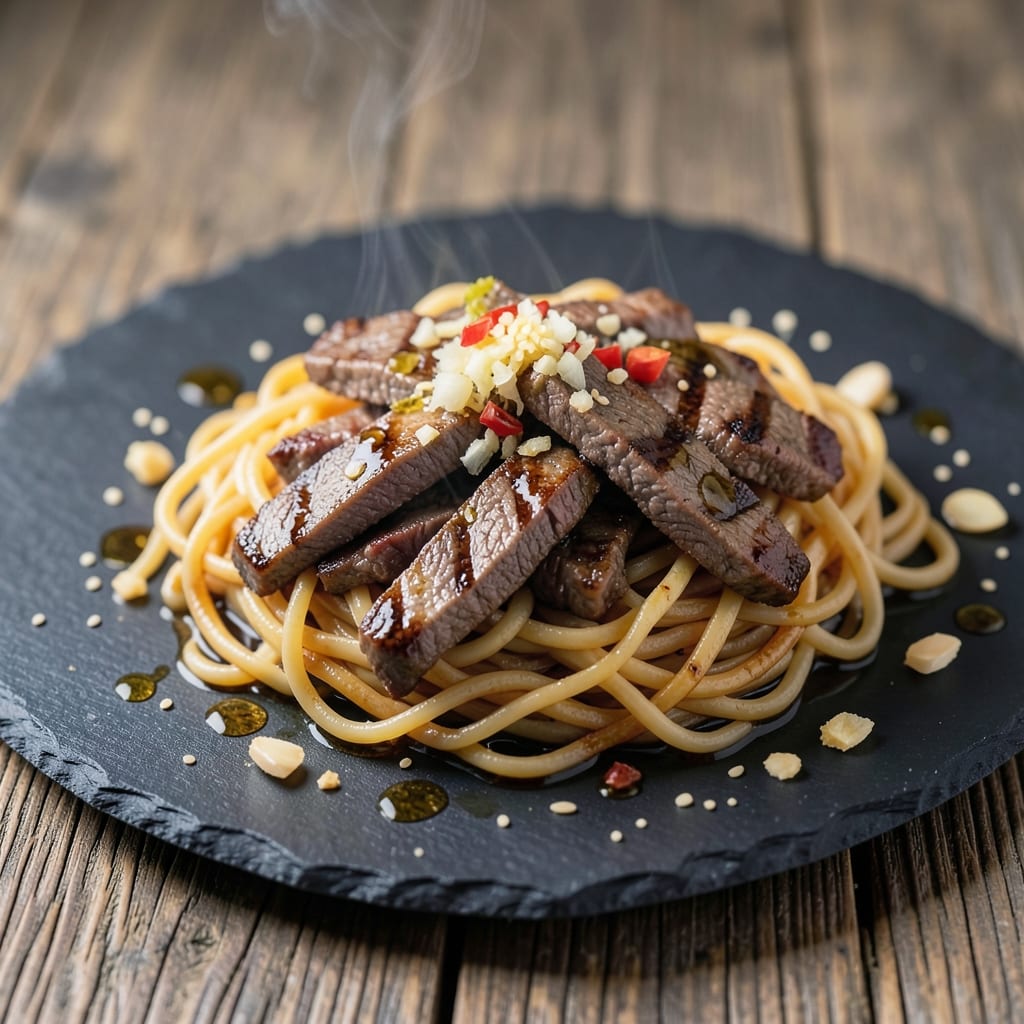
This beef and frozen egg noodles recipe delivers restaurant-quality comfort in under 30 minutes using just one pan. The secret lies in perfectly seared beef strips and chewy egg noodles tossed together with a savory soy-ginger sauce that balances sweet, salty, and umami notes. I developed this after years of testing quick weeknight meals—this one never fails to satisfy. What sets this dish apart is the textural contrast: tender beef with a slightly crispy edge paired with al dente egg noodles that absorb the flavorful sauce. The frozen noodles work perfectly because they cook quickly in the same pan as the beef, creating a cohesive one-pan meal that’s both efficient and impressive. No pre-soaking or special equipment required. By the end, you’ll have a protein-packed dish that’s hearty enough for dinner but quick enough for a busy weeknight. The aroma of garlic and ginger sizzling in the pan will have everyone gathered around the table before the noodles are even done. Serve with steamed vegetables or a simple side salad for a complete meal. This recipe scales easily for crowds and reheats beautifully, making it ideal for meal prep or last-minute guests. The balance of flavors and textures ensures every bite is satisfying without being heavy. Let’s get cooking!
Ingredients for beef and frozen egg noodles
Simple ingredients transform into restaurant-quality comfort with perfect searing and sauce balance.
| Ingredient | Amount | Notes |
|---|---|---|
| Flank Steak 🥩 | 1 lb | Thinly sliced against grain |
| Frozen Egg Noodles 🍜 | 12 oz | Standard width, no pre-soaking |
| Low-Sodium Soy Sauce 🍶 | ⅓ cup | For balanced saltiness |
| Sesame Oil 🫒 | 1 tbsp | Toasted aroma preferred |
| Fresh Ginger 🌿 | 2 tbsp | Finely grated, peel removed |
| Garlic Cloves 🧄 | 4 cloves | Minced for even distribution |
| Honey 🍯 | 1 tbsp | For sweet-savory balance |
| Vegetable Oil 🫒 | 2 tbsp | High smoke point for searing |
| Green Onions 🧅 | 3 whole | Sliced, white and green parts |
| Sesame Seeds 🌾 | 1 tsp | Toasted lightly for crunch |
| Diamond Crystal Kosher Salt 🧂 | ¾ tsp | Adjust to taste |
| Ground Black Pepper 🌶️ | ½ tsp | Freshly cracked |
| Red Pepper Flakes 🌶️ | ¼ tsp | Optional for heat |
The flank steak is non-negotiable here—it delivers that tender yet slightly crispy texture when sliced against the grain. Costco or Whole Foods carry high-quality cuts, but any butcher section will work. Look for good marbling, which ensures juiciness. I always ask for it pre-sliced thin for convenience, but if you're ambitious, slice it yourself at home with a sharp knife. The frozen egg noodles? Barilla or De Cecco are my go-tos—they hold up perfectly without turning mushy. Avoid the ultra-thin varieties; standard width gives better texture.
No sesame oil? Toasted peanut oil works in a pinch, though it lacks that signature aroma. Fresh ginger is ideal, but powdered ginger at half the amount will do if you're short on time. The honey adds depth, so don't skip it—Manuka honey is a splurge, but any quality brand works. For extra umami, a dash of fish sauce (if not vegetarian) or miso paste can elevate the sauce. The green onions add freshness, but if they're not in season, scallions or chives are fine substitutes. Toast the sesame seeds in the same pan you cook the beef—they’ll pick up the garlic and ginger flavors for an extra layer of complexity.
This dish reheats beautifully—just add a splash of water or soy sauce to loosen the sauce. Keeps for 4-5 days in the fridge, though I find it tastes even better the next day as flavors meld. For meal prep, portion into airtight containers with a sprinkle of sesame seeds on top to preserve freshness. Freezes for 3 months if you add an extra tablespoon of oil to the sauce before storing. The beef and noodles double as a great base for leftovers—toss with scrambled eggs for breakfast or mix with stir-fried veggies for a quick lunch.
Why You'll Love This Recipe
- No Pantry Haul Needed: I swear by this recipe because it uses what’s already in my freezer and fridge. Flank steak gets sliced thin, frozen egg noodles thaw in minutes, and that jar of sesame oil? Already there. Honestly, I’ve made this with just soy sauce, ginger, and a drizzle of oil—still hits the spot.
- Umami Bomb: The combo of low-sodium soy sauce and fresh ginger on seared flank steak? It’s like a flavor shortcut. That first bite—savory, slightly sweet, with a kick—makes me forget it’s a weeknight dinner. (Yes, even on a Tuesday night.)
- Lunchbox Hero: Between us, this is my go-to for meal prep. Cook a big batch of noodles, slice the beef, and toss it all in a container. Reheat with a splash of water, and boom—tasty, filling lunches for days. My kids don’t even complain about leftovers.
- Budget Steak Night: Flank steak is cheaper than ribeye, and frozen egg noodles? A steal. I stretch this recipe to feed four for under $15, and it still feels like a restaurant-worthy meal. (Not the prettiest, but the taste makes up for it.)
Step-by-step instructions for beef and frozen egg noodles
This one-pan dish delivers restaurant-quality comfort with minimal effort and maximum flavor.
Prepare the Flank Steak for Cooking
Begin by slicing the 1 lb flank steak thinly against the grain using a sharp knife. This creates tender, bite-sized pieces that cook quickly. Pat the sliced steak dry with paper towels—removing moisture ensures a proper sear and prevents steaming.
In a small bowl, combine the 0.75 tsp diamond crystal kosher salt, 0.5 tsp ground black pepper, and 0.25 tsp red pepper flakes. Rub this mixture evenly over the sliced steak, coating each piece thoroughly. Let the seasoned steak rest for 10 minutes at room temperature before cooking—this ensures even cooking and maximum flavor penetration.
Sear the Steak and Sauté Aromatics
Heat a large skillet or wok over high heat until it's smoking hot. Add the 2 tbsp vegetable oil and swirl to coat the pan evenly. Working in batches if needed, add the sliced steak and sear for 1-2 minutes until the edges are deep golden brown and slightly charred. Remove the steak and set it aside on a plate.
In the same skillet, reduce heat to medium-high and add the 2 tbsp finely grated fresh ginger and 4 cloves minced garlic cloves. Sauté for 30 seconds until the ginger becomes fragrant and the garlic turns golden—don't let it burn. Pour in the 0.33 cup low-sodium soy sauce and 1 tbsp honey, stirring to combine. Let the mixture simmer for 1 minute until slightly reduced and glossy.
Cook the Egg Noodles
Add the 12 oz frozen egg noodles directly to the skillet with the sauce. Stir gently to coat the noodles evenly in the soy-ginger mixture. Cover the skillet and cook over medium heat for 5-6 minutes, stirring occasionally, until the noodles are tender but still slightly firm—they'll finish cooking in the residual heat.
Return the seared steak to the skillet, stirring to combine with the noodles and sauce. Cook for an additional 1-2 minutes until everything is heated through and the steak reaches 160°F internally. The noodles should be fully cooked but still hold their shape.
Finish with Sesame Oil and Garnish
Remove the skillet from heat and drizzle in the 1 tbsp sesame oil, tossing gently to coat. Add the 3 whole green onions, sliced into ½-inch pieces, and sprinkle with the 1 tsp sesame seeds. Taste and adjust seasoning if needed—you may want to add a splash of water if the sauce is too thick.
Serve immediately while hot, garnished with additional green onions if desired. The dish should have a perfect balance of savory, slightly sweet, and umami flavors with tender beef and chewy egg noodles. This one-pan method ensures a quick, flavorful meal with minimal cleanup.
Pro Tips For Making Beef And Frozen Egg Noodles
- Slice Against the Grain: Frozen egg noodles are forgiving, but flank steak isn’t—cut it thinly against the grain before cooking. I used to ignore this and ended up with chewy bites that ruined the whole dish. A sharp knife and 3-4 minutes of patience make all the difference.
- Boil Noodles Until Al Dente: Frozen egg noodles release starch like crazy when overcooked, turning your sauce into glue. Test one noodle at 2 minutes—if it’s still slightly firm, it’s ready. Drain and toss with a splash of sesame oil immediately to keep them from sticking.
- Sear Steak in Two Stages: High heat first for color, then lower to finish—anything else risks burning the outside before the inside cooks. After the initial sear, move the steak to medium-low and let it sit for 2-3 minutes. This keeps the edges crisp while the center stays tender.
- Ginger: Grate, Don’t Mince: Fresh ginger loses its punch when finely minced—it turns to mush and disappears into the sauce. Use a box grater for thin, even shreds that infuse flavor without turning the dish into a ginger smoothie. A teaspoon of grated ginger is brighter than two tablespoons of minced.
Storing and reheating this dish
Fridge Storage Tips
Let your beef and egg noodle dish cool to room temperature before storing—this takes about 15-20 minutes. Transfer to an airtight container (I love Rubbermaid Brilliance containers) and refrigerate for up to 4 days. The flavors actually deepen overnight as the soy sauce and ginger meld together beautifully. Always store with a sprinkle of sesame seeds on top to keep everything fresh and aromatic. ❄️
Freezer-Friendly Prep
For longer storage, freeze portions in single-serving containers (like Pyrex glass containers) for up to 3 months. Add 1 extra tablespoon of sesame oil to each portion before freezing—this prevents the noodles from drying out. When reheating frozen portions, add 2 tablespoons of water to the pan to help loosen the sauce. The texture stays surprisingly good when frozen properly!
Stovetop Reheating
My preferred method is stovetop reheating—it preserves the best texture. Heat a skillet over medium heat and add 1 tablespoon of vegetable oil. Pour in the noodle mixture and stir occasionally for 5-6 minutes, adding 1-2 tablespoons of water if it looks dry. The beef should reach 160°F internally, and the noodles should be heated through but still hold their shape. Taste and adjust seasoning—you might need a pinch more salt or a splash of soy sauce. 🔥
Microwave Shortcut
For quick reheating, transfer a portion to a microwave-safe bowl and cover with a damp paper towel. Heat on 70% power for 2-3 minutes, stirring halfway. If the sauce looks too thick, add 1 tablespoon of water and continue heating. This method works best for leftovers you plan to eat within 24 hours—the texture won't be quite as perfect as stovetop reheating, but it's still delicious. 💫
Meal Prep Strategy
Divide your cooked dish into individual portions before storing to make reheating easier. I like to pack them in bento-style containers with a small compartment for sauce on the side. This keeps the noodles from getting soggy and lets you customize seasoning when reheating. Label containers with the date—this helps track freshness and prevents freezer burn. The dish reheats beautifully for 3-4 days with minimal effort! 📅
Nutrition facts
Frequently asked questions
Can I use regular egg noodles instead of frozen?
Yes, but you'll need to adjust cooking times. Fresh egg noodles cook faster—about 3-4 minutes in boiling water before adding to the pan. For best results, boil them separately until al dente, then toss with the beef and sauce. Frozen noodles work better in this recipe because they cook directly in the pan with the beef, creating that perfect one-pan texture.
What's the best cut of beef for this recipe?
Flank steak is ideal because it's affordable and becomes tender when sliced thin against the grain. Other lean cuts like sirloin or tenderloin work too, but avoid fatty cuts like ribeye—they'll make the dish too greasy. If you can't find flank steak, thinly sliced top round works well and stays budget-friendly.
How can I make this dish spicier?
Add 1-2 teaspoons of chili crisp or ½ teaspoon of cayenne pepper to the sauce while simmering. For heat with depth, stir in 1 tablespoon of gochujang (Korean chili paste) when combining the soy sauce and honey. If you like fresh heat, serve with sriracha or chili oil on the side for customization.
Can I make this vegetarian?
Replace the beef with extra-firm tofu (pressed and cubed) or mushrooms (like shiitake or oyster). For tofu, pan-fry until golden brown before adding to the noodles. For mushrooms, slice them thin and cook until tender. The soy-ginger sauce will still shine with these alternatives—just add ½ teaspoon of smoked paprika for extra depth.
Why did my noodles turn mushy?
Overcooking is the most common cause. Frozen egg noodles should be tender but still slightly firm—they finish cooking in the residual heat when combined with the beef. If they seem done too early, reduce the cooking time by 1 minute next time. Also, avoid stirring too aggressively while they cook—gentle tossing preserves their shape.