
Breakfast & Brunch
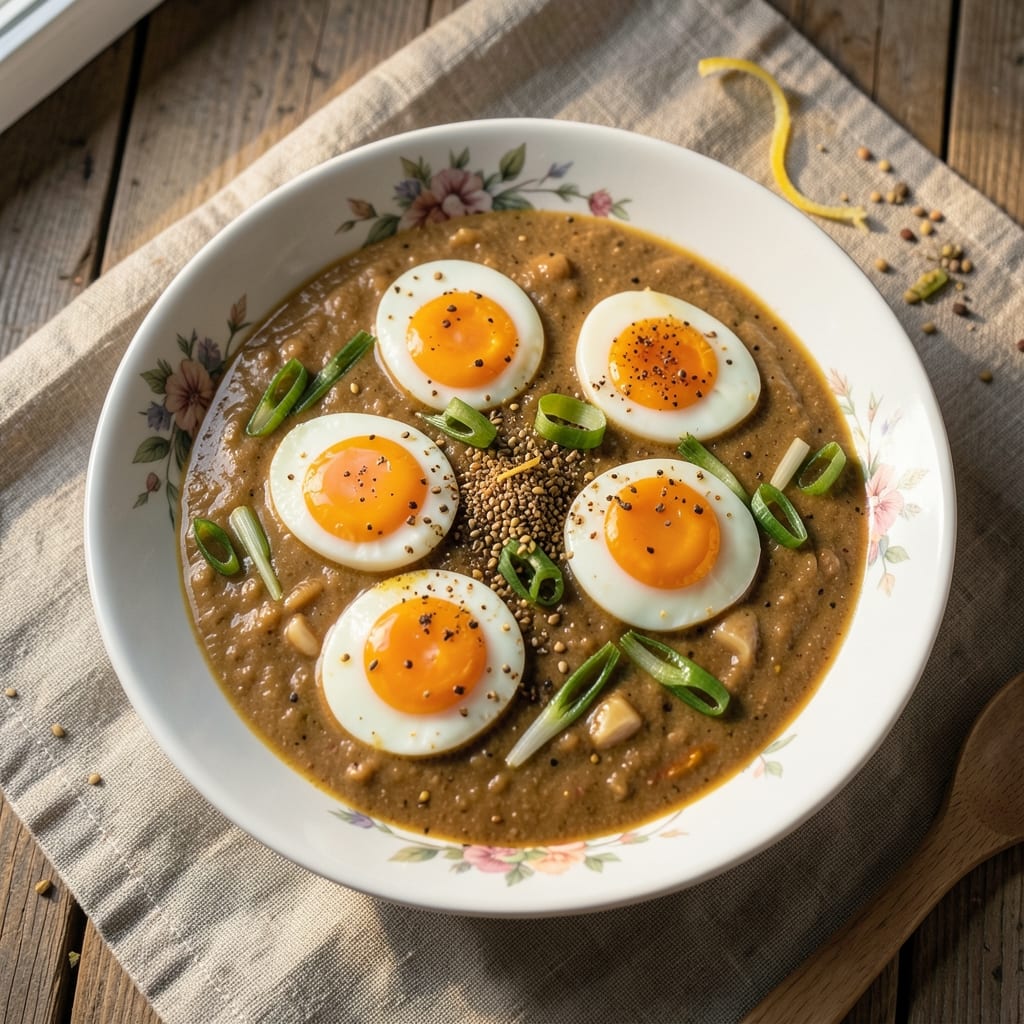
This Chinese egg curry recipe delivers the fragrant, comforting flavors of home-cooked meals with just a few simple ingredients. The golden eggs nestled in a velvety coconut-turmeric sauce create a dish that's both hearty and delicate—perfect for breakfast or a light dinner. What makes this recipe special is its adaptability: add chicken or tofu for extra protein, or keep it vegetarian for a lighter version.
The secret lies in blooming the spices—toasting them in oil until fragrant unlocks their full depth, while simmering the coconut milk creates a rich, aromatic base. Unlike heavy curries, this version balances warmth with brightness, thanks to the turmeric and a touch of lime. The eggs cook just until set, soaking up the flavors without losing their tender texture.
By the time you serve it, you'll have a dish that's creamy yet light, with golden eggs floating in a sauce that's fragrant enough to fill your kitchen. The dish pairs beautifully with steamed rice or crusty naan, making it a complete meal. Whether you're feeding a family or treating yourself, this curry delivers comfort in every bite.
For extra convenience, you can even prepare the sauce ahead and reheat it with fresh eggs—just a few minutes' work when you're ready to eat. The recipe scales easily, so double or halve it to match your needs. Let's get cooking!
Ingredients for chinese egg curry
Simple ingredients that pack a fragrant punch—just 13 staples for creamy, comforting curry.
| Ingredient | Amount | Notes |
|---|---|---|
| Large Eggs 🥚 | 8 whole | Room temperature for even cooking |
| Coconut Milk 🥥 | 1 ½ cups | Full-fat for creaminess |
| Turmeric Powder 🌿 | 1 ½ tsp | Freshly ground preferred |
| Ginger Root 🌿 | 1 tbsp | Freshly grated, not powdered |
| Garlic Cloves 🧄 | 4 cloves | Minced for aromatic base |
| Green Onions 🧅 | 3 whole | Sliced, white and green parts |
| Vegetable Oil 🫒 | 2 tbsp | Neutral high smoke point |
| Lime Juice 🍋 | 2 tbsp | Freshly squeezed |
| Salt 🧂 | ¾ tsp | Kosher or sea salt |
| Ground Black Pepper 🌶️ | ½ tsp | Freshly cracked |
| Coriander Seeds 🌿 | ½ tsp | Toasted for depth |
| Cumin Seeds 🌿 | ½ tsp | Toasted lightly |
| Steamed White Rice 🍚 | 2 cups | Cooked, for serving |
The coconut milk is non-negotiable here—full-fat canned coconut milk (like Thai Kitchen or Aroy-D) gives that rich, velvety texture. Trader Joe's has the best prices, and it's worth buying the big cans. If you're using cartons, shake well since the cream separates. The spices? Toast the whole seeds (cumin and coriander) in a dry pan for 30 seconds before grinding—they'll smell like heaven and add depth. Fresh ginger and garlic are worth the extra minute to grate/mince; powdered versions just don't cut it for this dish.
No fresh ginger? Double the powdered amount but add a pinch of sugar to balance. Out of lime juice? Substitute lemon juice at the same ratio. The eggs can be swapped for firm tofu cubes if you want a vegetarian version—just press them first. For extra richness, stir in 1 tbsp of coconut cream at the end. And if you're feeling lazy, pre-minced garlic works in a pinch (but fresh is better). The green onions add brightness—don't skip the white parts, they've got flavor too!
This sauce tastes even better the next day, so make extra and store it in the fridge for up to 5 days. The eggs should be cooked fresh in the sauce, but you can prep the sauce ahead and reheat with fresh eggs. For freezing, portion the sauce into ice cube trays—thaw and reheat with fresh eggs when ready. The rice? Cook it in advance and keep warm in a rice cooker or covered pot. Leftovers keep for 3 days in the fridge, but honestly, it won't last that long!
Why You'll Love This Recipe
- No Chopping Hassle: The ginger and garlic get minced in seconds—no fancy knives needed. I just grate the ginger straight from the root and smash the garlic with the side of my knife. That’s it. The eggs poach right in the pot, so no extra bowls or pans to wash.
- Rich Without Effort: Coconut milk does all the heavy lifting here. One can, simmered with turmeric, and suddenly you’ve got a velvety sauce that clings to those perfectly cooked eggs like a dream. The turmeric gives it that golden glow—no food coloring needed.
- Leftover Goldmine: This curry tastes better the next day. Between us, I often make a double batch because it’s so easy to reheat. The eggs stay tender, the sauce thickens just right, and it’s perfect for lazy mornings or quick lunches. (Yes, even on a Tuesday night.)
- Budget-Friendly Luxury: Eggs, coconut milk, and spices? This recipe costs me less than takeout but feels like a restaurant dish. No fancy ingredients—just smart swaps. Honestly, it’s the kind of meal that makes me feel like I’ve won when I open the pantry.
Step-by-step instructions for Chinese egg curry
Here's how to create a velvety, fragrant egg curry that's perfect with steamed rice.
Toast the Spices and Prepare the Base
Heat a small dry skillet over medium heat. Add the 0.5 tsp coriander seeds and 0.5 tsp cumin seeds and toast for 1-2 minutes until they release their aroma and begin to pop. Immediately transfer them to a spice grinder or mortar and pestle to grind into a fine powder.
In a separate large skillet, heat 2 tbsp vegetable oil over medium heat. Add the 1 tbsp grated ginger root and 4 minced garlic cloves, cooking for 2-3 minutes until the garlic turns golden and fragrant. This aromatic base forms the flavor foundation of your curry—don't rush this step or you'll burn the garlic.
Build the Curry Sauce
Reduce the heat to low and stir in the 1.5 tsp turmeric powder, letting it bloom for 30 seconds—this deepens the golden color and earthy flavor. Slowly pour in the 1.5 cups coconut milk, stirring constantly to prevent curdling. Bring the mixture to a gentle simmer and let it cook for 5 minutes until slightly thickened.
Here's the thing—if the sauce looks too thin, simmer uncovered for another 2-3 minutes to reduce it. You want it thick enough to coat the back of a spoon but still silky smooth. The coconut milk should be warm but not boiling, or the eggs will scramble instead of poach gently.
Prepare and Poach the Eggs
While the sauce simmers, crack the 8 large eggs into a bowl and whisk them lightly with a fork—just until the whites and yolks are combined. Keep them at room temperature for even cooking. Add the 0.75 tsp salt and 0.5 tsp ground black pepper to the eggs and mix gently.
Carefully pour the eggs into the simmering curry sauce, stirring gently with a spatula. The eggs should poach softly in the warm coconut mixture. Let them cook for 4-5 minutes until the whites are just set but the yolks remain runny—this is the perfect texture for Chinese egg curry. If the sauce thickens too much, add 1-2 tablespoons hot water to maintain the right consistency.
Finish and Serve
Remove the skillet from heat and stir in the 2 tbsp lime juice and the 3 sliced green onions. The lime brightens the dish, cutting through the richness of the coconut and eggs. Taste and adjust seasoning if needed—you might want to add a pinch more salt or a dash of pepper to balance the flavors.
Serve the egg curry immediately over 2 cups steamed white rice, spooning the creamy sauce generously over each serving. The contrast of the warm, fragrant curry with the soft rice creates the ultimate comfort dish. Garnish with extra green onions if you like, but the curry should shine on its own with its vibrant turmeric color and delicate spice notes.
Pro Tips For Making Chinese Egg Curry
- CRACK EGGS IN HOT WATER: I learned this the hard way—cold eggs straight into the pan make a mess. Fill a bowl with warm water, crack the eggs in, then gently slide them into the oil. The whites hold together better, and you avoid that sad, broken-egg scramble look. (Yes, even if you're impatient like me.)
- GRATE GINGER FINE: Skip the mincer unless you want a curry that tastes like you’re chewing on rubber. Use a box grater for ginger—just the wet part, about 1 tablespoon—and pulse it in the pan until fragrant. Too coarse? It’ll sit like little rocks in your sauce.
- SIMMER COCONUT MILK LOW: Coconut milk curdles when it boils. After adding it to the pan, drop the heat to a bare simmer and stir constantly for the first 2 minutes. The sauce will thicken smoothly instead of splitting into greasy, lumpy patches. (Your future self will thank you.)
- USE WHOLE GARLIC CLOVES: I was skeptical until I tried it—no chopping, no mincing, just smash 3-4 whole garlic cloves with the side of your knife. Let them sit in the pan with the ginger for 30 seconds before adding oil. The flavor infuses deeper, and you avoid that raw-garlic bite. (Does it look weird? Yes. Does it work? Every single time.)
Common mistakes when making perfect results
Overcooking the Eggs
This is the #1 mistake I see—eggs that turn into scrambled rubber instead of silky poached perfection. The curry sauce should be at a gentle simmer (not boiling) when you add the eggs, and cooking time is 4-5 minutes max. If your eggs look dry or grainy, you went too long. Pro tip: Use a thermometer to keep sauce between 170-180°F—any hotter and they'll scramble. 🥚
Skipping Spice Blooming
Rushing the spice toasting step is a flavor killer. Those 1-2 minutes of dry-toasting coriander and cumin seeds unlock their full aroma—skip it, and your curry will taste flat. I always test my spices by smelling them after toasting: if they don't smell amazing, toast them longer. The same goes for the 30-second turmeric bloom—this develops that signature golden color and earthy depth. 🌿
Using Low-Quality Coconut Milk
Not all coconut milk is created equal. Light coconut milk or cartons with separated cream won't give that velvety texture. Always use full-fat canned coconut milk (like Thai Kitchen or Aroy-D) and shake the can well before opening. I've ruined curries using the wrong kind—trust me, you'll taste the difference. For extra richness, stir in 1 tbsp coconut cream at the end. 🥥
Ignoring the Sauce Consistency
Too thin? Too thick? Both are common mistakes. If your sauce is watery, simmer uncovered for 2-3 minutes to reduce it. If it's too thick, add 1-2 tbsp hot water to maintain that silky texture. The perfect consistency should coat the back of a spoon but still be pourable. I always taste-test the sauce before adding eggs—adjusting now saves rework later. 💡
Burning the Garlic
Nothing ruins a curry faster than bitter, burnt garlic. Cook the 4 minced garlic cloves over medium heat for just 2-3 minutes until golden—no longer! If your kitchen smells like nail polish remover, you've gone too far. Remove the pan from heat if needed to cool things down. Freshly minced garlic makes all the difference here. 🧄
Overcrowding the Pan
Trying to cook all 8 eggs at once in a small pan? Big mistake. The sauce won't heat evenly, and some eggs will cook faster than others. Work in batches if needed—4 eggs at a time in a 10-inch skillet gives them room to poach properly. I use a nonstick pan for easy release, but cast iron works too if well-seasoned. 🔥
Nutrition facts
Frequently asked questions
Can I make this Chinese egg curry vegetarian?
Simply swap the eggs for 8 oz firm tofu cut into cubes. Press the tofu for 15 minutes to remove excess water, then pan-fry until golden before adding to the curry sauce. The tofu absorbs the flavors beautifully and gives a similar texture.
How do I store leftovers?
Store the curry sauce and eggs separately in airtight containers in the fridge for up to 3 days. Reheat the sauce gently on the stove, then add fresh eggs to poach in the warmed sauce. For freezing, portion the sauce into ice cube trays—thaw and reheat with fresh eggs when ready. The rice should be reheated separately.
What if I don't have fresh ginger?
Use 1.5 tsp ground ginger instead, but add a pinch of sugar (1/8 tsp) to balance the flavor. Fresh ginger has more depth, but ground works in a pinch. For extra zing, add a dash of red pepper flakes to compensate for the missing freshness.
Can I make this dish spicier?
Yes! Add 1 tsp chili flakes or 1-2 tbsp sambal oelek when finishing the curry. For heat without spice, include 1 tsp freshly grated galangal (if available) or extra ginger. Always taste first—adjust gradually to avoid overwhelming the delicate egg flavor.
What's the best way to serve this curry?
This dish shines with steamed jasmine rice or crispy naan. For extra flair, garnish with cilantro and a squeeze of lime. It's also perfect for breakfast wraps—spoon the curry into a tortilla with rice for a handheld meal. The creamy sauce pairs beautifully with pickled vegetables to cut through the richness.