
Sauces & Condiments
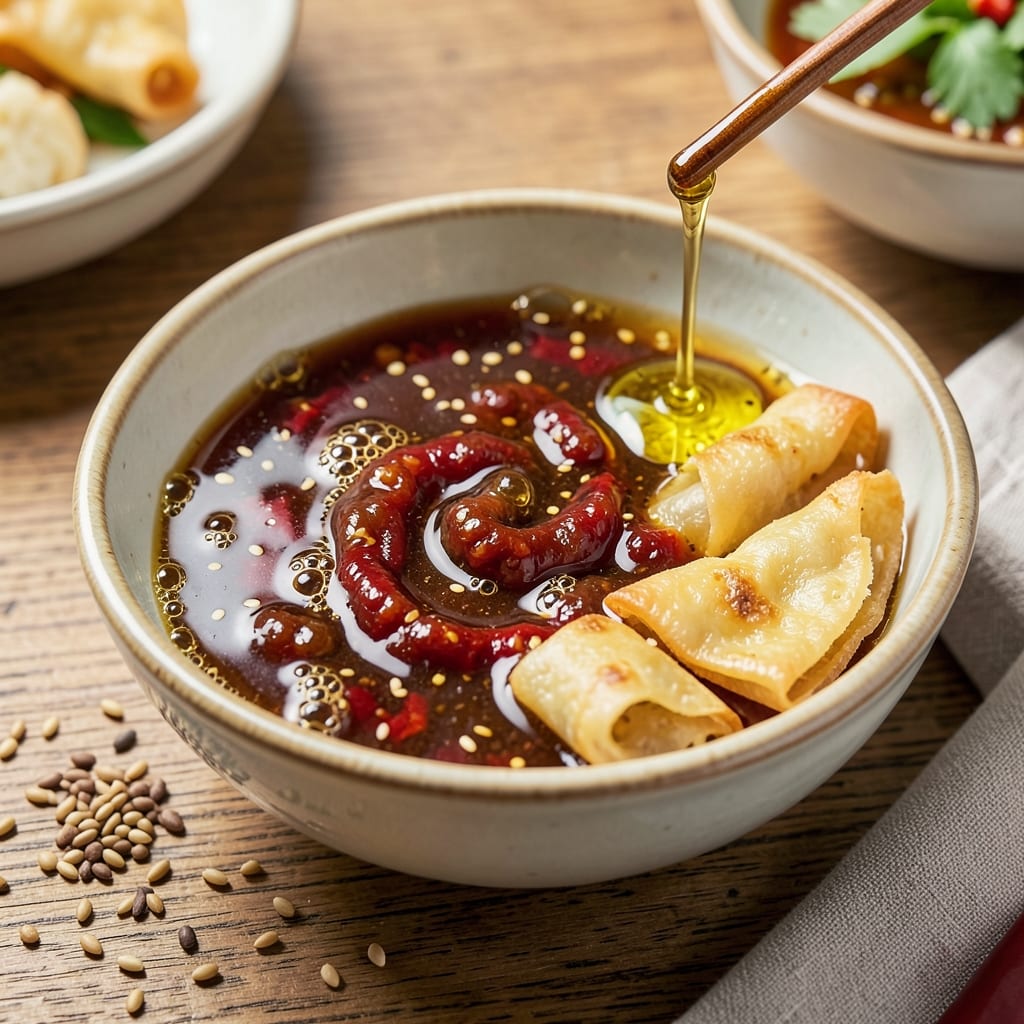
This Chinese egg roll dipping sauce recipe delivers the perfect sweet-spicy balance that makes every bite of spring rolls irresistible. 🔥 The secret lies in combining soy sauce, rice vinegar, and a touch of sesame oil for that signature umami depth, while optional chili paste adds just the right kick. I've perfected this sauce over years of testing—it's smooth, pourable, and ready in just 5 minutes.
The beauty of this recipe is its simplicity. With just five core ingredients, you can create a sauce that's restaurant-quality without the fuss. The key is whisking everything together until it's perfectly emulsified, creating a glossy finish that coats every crispy egg roll edge. No blending required—just a bowl and a fork.
What you'll end up with is a sauce that's tangy, slightly sweet, and packed with umami flavor—ideal for spring rolls, dumplings, or even as a marinade. The balance of flavors stays consistent whether you use it fresh or store it for later. This isn't just a dipping sauce; it's a flavor booster that transforms any dish.
For those who prefer it spicier or sweeter, I'll share easy variations in the tips section. The best part? This sauce keeps well in the fridge for up to a week, making it perfect for meal prep. Let's make this sauce!
Ingredients for chinese egg roll dipping sauce
Five ingredients, endless flavor—this sauce transforms crispy egg rolls into a flavor explosion.
| Ingredient | Amount | Notes |
|---|---|---|
| Light Soy Sauce 🥢 | ½ cup | High-quality, preferably Japanese-style |
| Rice Vinegar 🍶 | ¼ cup | White or seasoned, not apple cider |
| Sesame Oil 🫒 | 1 tbsp | Toasted, not flavored |
| Granulated Sugar 🍚 | 2 tbsp | White or brown, no substitutes |
| Chili Paste (optional) 🌶️ | 1 tbsp | Sriracha or gochujang for heat |
| Water 💧 | ¼ cup | Room temperature preferred |
| Sesame Seeds (optional) 🌾 | 1 tsp | Toasted for garnish |
The soy sauce is your flavor anchor—Japanese brands like Kikkoman or La Choy work best. Rice vinegar adds that signature tang, and Trader Joe's has a great white vinegar option if you can't find Asian varieties. Sesame oil? Toasted, not flavored—the nutty aroma is key. I grab mine from the international aisle at Walmart or H Mart if I'm doing a big batch. Skip the pre-mixed sauces; they lack the depth of homemade. For the sugar, white or light brown works—no need for fancy substitutions here.
No sesame oil? Toasted peanut oil at half the amount gets you close, though the flavor will differ. Running low on rice vinegar? Apple cider vinegar in a pinch, but reduce to 1 tbsp—it's stronger. Want it sweeter? Add 1 tsp of honey or maple syrup. For heat, Sriracha or gochujang are my go-tos, but any chili paste works. The water helps emulsify everything—don't skip it! And if you're feeling fancy, toast the sesame seeds in a dry pan for 30 seconds before adding them to the sauce for extra crunch.
This sauce keeps for 1 week in the fridge, sealed tightly in a jar. The flavors actually meld better over time—perfect for meal prep! For leftovers, stir well before using. Freezes beautifully for 3 months if you want to make a big batch. I always double the recipe and freeze half; it's worth the extra effort. Garnish with toasted sesame seeds right before serving—that's the restaurant touch.
Why You'll Love This Recipe
- Five-Ingredient Magic: I keep this on speed dial because it’s the kind of sauce that turns takeout night into homemade glory—just stir, taste, adjust. No peeling, no chopping, no stress. The sesame oil alone makes it feel special, even though I’m mixing it in my mug.
- Umami Bomb: That first splash of light soy sauce? Instant flavor. The rice vinegar cuts through the richness, and the sugar—just a spoonful—balances it all so it’s never too sharp or too salty. Add chili paste if you’re feeling bold, but honestly, it’s already dangerously good.
- Party in a Bowl: This sauce doesn’t just work for egg rolls—it’s my go-to for dumplings, spring rolls, or even as a quick glaze for grilled chicken. I’ve even drizzled it over ramen when I’m lazy. It’s the kind of versatile that makes me feel like a chef without trying.
- Pantry Staple Savings: I make a big batch and keep it in the fridge for weeks. A splash here, a splash there—it never goes to waste. Plus, the ingredients cost pennies, so I can afford to use it like water. Budget-friendly doesn’t mean boring, not with this.
Step-by-step instructions for Chinese egg roll dipping sauce
This sauce comes together in minutes with just a few simple ingredients.
🍳 Step 1: Whisk Together the Base Ingredients
In a small bowl, combine the 0.5 cup light soy sauce and 0.25 cup rice vinegar. Stir until fully mixed—this creates the perfect tangy foundation. I like to use a fork for this step because it helps dissolve any sugar crystals that might be lingering from the soy sauce.
Next, add the 2 tablespoons granulated sugar and whisk vigorously until it dissolves completely. You'll notice the mixture will look slightly cloudy at first, but keep whisking until it becomes clear. This ensures an even sweetness throughout the sauce without any grainy texture.
🍳 Step 2: Add the Sesame Oil and Water
Pour in the 1 tablespoon sesame oil and whisk again to incorporate. The sesame oil adds that nutty aroma that makes this sauce so distinctive. You'll smell it immediately—it's one of my favorite parts of the process!
Add the 0.25 cup water next and whisk until everything is fully combined. The water helps balance the flavors and gives the sauce a smoother consistency. If you're using the optional 1 tablespoon chili paste, add it now and whisk until evenly distributed. Taste the mixture—it should have a perfect balance of sweet, tangy, and slightly spicy flavors.
⏰ Step 3: Let the Sauce Rest and Adjust
Let the sauce sit at room temperature for 5 minutes. This resting time allows all the flavors to meld together beautifully. While you wait, give it a taste—sometimes the flavors need a little time to come together just right.
If the sauce needs more sweetness, add a pinch more sugar. If it needs more tang, add a splash of rice vinegar. The key is to balance the sweet, tangy, and umami flavors. Once you're happy with the taste, give it one final whisk to ensure everything is well combined.
🥘 Step 4: Garnish and Serve
For an extra touch, sprinkle the 1 teaspoon sesame seeds on top just before serving. The toasted sesame seeds add a delightful crunch and a subtle nutty flavor that complements the sauce perfectly. I always toast them lightly in a dry skillet for about 30 seconds to enhance their aroma before sprinkling.
Serve the sauce immediately with your egg rolls or spring rolls. The warm sauce pairs beautifully with the crispy exterior of the rolls, creating a perfect balance of flavors in every bite. Enjoy it while it's fresh and vibrant!
Pro Tips For Making Chinese Egg Roll Dipping Sauce
- STIR IT RIGHT: Mix that sauce in a small bowl with a fork first—yes, even after you’ve dumped everything in. I used to just whisk it with chopsticks, but the sugar clumps like crazy if you don’t break it up first. A quick 10-second fork stir before adding the soy sauce keeps it smooth.
- CHILI PASTE FIRST: Add the chili paste before the rice vinegar—trust me, it dissolves better. I learned this the hard way after scraping globs off my bowl. If you’re using a thick paste, start with half the amount and taste as you go; it’s easier to adjust than fix later.
- DILUTE THE SESAME OIL: A drop too much sesame oil turns your perfect sauce into a greasy mess. Measure it first (½ teaspoon is plenty), then mix it last—this way, you can taste and adjust the other flavors before adding the overpowering punch.
- USE COLD VINEGAR: Pour cold rice vinegar straight from the fridge—it sharpens the flavor instantly. I used to use room-temperature vinegar, and the sauce always tasted flat. If you’re short on time, even a quick splash of ice water in the vinegar mimics the effect.
Dietary considerations for these flavors
Gluten-Free Adaptation
For a gluten-free version, simply replace the light soy sauce with tamari or a gluten-free soy sauce like San-J Tamari. These alternatives provide the same umami depth without the gluten. I've tested this swap and found that San-J Tamari works best—it has a slightly richer flavor that mimics traditional soy sauce closely. The rest of the recipe stays exactly the same, so you won’t sacrifice any flavor. 🌱
Vegetarian-Friendly
This sauce is naturally vegetarian since it contains no animal products. However, if you're using a vegan-friendly chili paste, opt for gochujang or vegan Sriracha (like Huy Fong Sriracha). Both are plant-based and add great heat. The sauce’s tangy-sweet balance remains perfect for dipping veggie spring rolls or tofu dishes. No adjustments are needed beyond the chili paste choice.
Low-Sugar Option
To reduce sugar, swap the 2 tablespoons granulated sugar with 1 tablespoon honey or 1 tablespoon maple syrup. Both add sweetness without spiking the glycemic index as much as refined sugar. I’ve found that local raw honey adds a subtle floral note that pairs beautifully with the sesame oil. For a sugar-free version, omit the sweetener entirely—though the sauce will be more tangy and savory.
Allergen-Free Adjustments
If you're avoiding sesame, replace the 1 tablespoon sesame oil with 1 tablespoon toasted peanut oil (ensure no cross-contamination if nut allergies are a concern). For sesame seed allergies, skip the garnish or use crushed peanuts instead. Always check labels on chili pastes—some contain sesame. This keeps the sauce safe while maintaining its signature nutty aroma.
Spicy vs. Mild
For a milder sauce, reduce the chili paste to ½ tablespoon or omit it entirely. If you love heat, increase it to 2 tablespoons and add ½ teaspoon of red pepper flakes for extra kick. I’ve found that gochujang adds a deeper, slightly sweet heat compared to Sriracha. Adjust to taste—this sauce is incredibly forgiving! 🌶️
Nutrition facts
Frequently asked questions
Can I make this dipping sauce without sesame oil?
Yes! If you don't have sesame oil, use 1 tablespoon toasted peanut oil instead. The flavor will be slightly different but still delicious. For a neutral oil option, try avocado oil at half the amount, though it won't have the same nutty aroma. Just remember that sesame oil is what gives this sauce its signature depth.
How long will this sauce keep in the fridge?
This dipping sauce stays fresh for up to 1 week when stored in an airtight container in the fridge. The flavors actually improve over time, making it perfect for meal prep. For longer storage, it freezes beautifully for 3 months—just thaw in the fridge before using. Always give it a good stir before serving.
What if my sauce separates or looks cloudy?
This can happen if the ingredients aren't whisked thoroughly or if you skip the water. To fix it, whisk vigorously for 1-2 minutes until smooth. If it's still separating, add 1 teaspoon cornstarch mixed with 1 tablespoon water and whisk until thickened. The key is patience—don't rush the whisking step!
Can I use this sauce for other foods besides egg rolls?
This versatile sauce works perfectly with spring rolls, dumplings, fried rice, or even as a marinade for grilled chicken. The sweet-spicy balance makes it great for dipping fries or even as a glaze for roasted vegetables. Just adjust the heat level to match your dish's flavor profile.
Why does my sauce taste too salty?
This usually happens when using a very salty soy sauce or adding too much. Try balancing it with 1 extra tablespoon of rice vinegar to cut the saltiness. If that's not enough, add 1 teaspoon of sugar to enhance the sweetness and dilute the salt perception. Always taste as you go—this sauce is very forgiving with adjustments!