
Sauces & Condiments
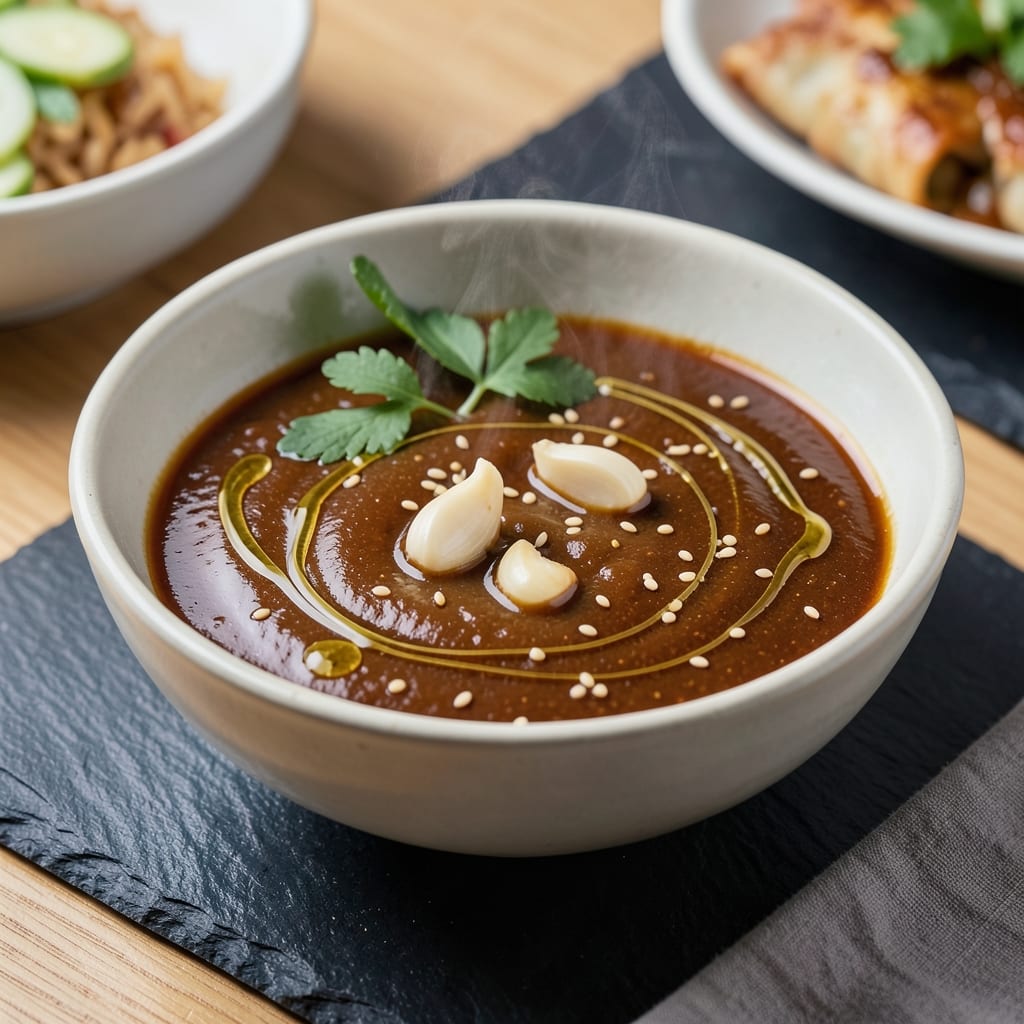
This Chinese restaurant egg roll sauce recipe unlocks the secret behind that addictive, umami-rich dip you crave. 💛 The perfect blend of tangy, sweet, and savory flavors transforms ordinary egg rolls into an irresistible bite—just like your favorite takeout spot. What sets this sauce apart is the balance of soy sauce, vinegar, and a touch of sugar, creating that signature restaurant-quality taste.
The magic happens in the combination of simple ingredients that work together to deliver bold flavor. Soy sauce provides the salty umami foundation, while rice vinegar adds the tangy brightness that cuts through richness. A hint of sugar rounds out the flavor profile, and sesame oil brings that nutty aroma that makes the sauce unforgettable. This recipe is foolproof and ready in just minutes.
What you'll end up with is a silky, slightly thick sauce that clings perfectly to egg rolls, spring rolls, or even fries. The texture is smooth yet clingy, with a depth of flavor that makes every bite taste like a restaurant experience. It's the kind of sauce that disappears quickly once you try it, leaving you reaching for more.
Perfect for dipping, drizzling, or even using as a marinade, this sauce elevates any dish it touches. Whether you're serving takeout-inspired favorites or homemade appetizers, this recipe is your ticket to restaurant-quality flavor at home. Let's get started!
Ingredients for chinese restaurant egg roll sauce
Eight simple ingredients create that addictive restaurant sauce you can't get enough of.
| Ingredient | Amount | Notes |
|---|---|---|
| Light Soy Sauce 🥢 | ½ cup | Use low-sodium for balance |
| Rice Vinegar 🍶 | ¼ cup | White or seasoned variety |
| Granulated Sugar 🍚 | ¼ cup | White or brown sugar works |
| Sesame Oil 🫒 | 1 tbsp | Toasted sesame oil preferred |
| Garlic Cloves 🧄 | 3 cloves | Minced for deep flavor |
| Fresh Ginger 🌿 | 1 tbsp | Finely grated, fresh preferred |
| Water 💧 | ¼ cup | Room temperature preferred |
| Cornstarch 🌾 | 1 tsp | For thickening consistency |
| Sesame Seeds 🌰 | 1 tsp | Toasted for garnish |
| Red Pepper Flakes 🌶️ | ½ tsp | Optional for heat |
The soy sauce is your umami foundation—Kikkoman or La Choy are reliable choices, but any good-quality light soy works. Rice vinegar adds that signature tang, so grab the seasoned kind if you want extra depth right off the bat. Sesame oil is non-negotiable for that nutty aroma (the toasted kind is worth the splurge), and fresh ginger makes all the difference—no powdered substitutes here. For garlic, I always use 3 cloves—don't skimp, it's the flavor booster. Pro tip: Buy ginger in small chunks at Asian markets—it keeps longer than the pre-grated stuff.
No sesame oil? Toasted peanut oil is a decent swap, though it won't have that exact aroma. Short on garlic? Garlic powder at half the amount works in a pinch, but fresh is always better. The cornstarch is key for that perfect clingy texture—don't skip it! For extra sweetness without sugar, honey or maple syrup works (reduce other liquids slightly). And if you're feeling bold, add a dash of fish sauce for that authentic restaurant kick (though this is vegetarian). The red pepper flakes are totally optional—add them if you want heat, leave them out for a milder sauce.
This sauce keeps beautifully—1 week in the fridge sealed in a jar. The flavor actually improves over time as everything melds together. For leftovers, I like to portion it into small containers so it's ready for quick dipping. Freezes for 3 months if you want to make a big batch. Just give it a quick stir after thawing, and it'll be as good as new. Pro move: Save some for garnish by sprinkling toasted sesame seeds on top right before serving—it adds that restaurant-quality finish.
Why You'll Love This Recipe
- Five-Ingredient Magic: I swear by this combo—just soy sauce, vinegar, sugar, sesame oil, and garlic. That’s it. No fancy pantry trips, no last-minute store runs. Honestly, I keep the ingredients stocked just for this sauce alone.
- Umami Bomb: The garlic and soy sauce team up to deliver that signature Chinese restaurant punch—salty, tangy, with a whisper of sweetness. That first drop of sesame oil? Pure flavor satisfaction.
- Dip Everything: This sauce isn’t just for egg rolls. I’ve drizzled it on dumplings, tossed it with noodles, and even used it in stir-fries. (Yes, even on a Tuesday night.) It’s my go-to for any takeout-inspired dish.
- Budget Powerhouse: A single jar of soy sauce and a bag of garlic go a long way. I make this sauce in batches and keep it in the fridge for weeks—no waste, all flavor. My wallet thanks me every time.
Step-by-step instructions for Chinese restaurant egg roll sauce
Here's how to make that addictive, tangy-sweet sauce that makes every bite of egg rolls unforgettable.
🍳 Step 1: Sauté Aromatics Until Fragrant
Heat a small saucepan over medium heat and add the 1 tablespoon sesame oil. Once shimmering, add the 3 cloves minced garlic and 1 tablespoon finely grated fresh ginger. Cook for 30-45 seconds until the garlic turns golden and the ginger becomes aromatic—don't let it brown or it'll turn bitter.
I press down gently on the aromatics with a wooden spoon during the first 20 seconds to help them release their oils. This ensures maximum flavor infusion into the sauce. The moment you smell that warm, toasty garlic-ginger aroma, you're ready for the next step.
🥘 Step 2: Combine Wet Ingredients
Add the 0.5 cup light soy sauce, 0.25 cup rice vinegar, and 0.25 cup granulated sugar to the pan. Stir constantly for 2-3 minutes until the sugar dissolves completely. You'll see the mixture bubble gently as it comes together—this is when the sauce starts developing its signature balance of salty, tangy, and sweet flavors.
Here's the thing—if you see any sugar grains sticking to the bottom, add 1 tablespoon water and stir to dissolve them. Undissolved sugar will make your sauce grainy rather than silky smooth. The sauce should look glossy and slightly thickened by this point.
🔥 Step 3: Thicken and Simmer
In a small bowl, whisk together the 0.25 cup water and 1 teaspoon cornstarch until completely dissolved. Pour this mixture into the saucepan and bring to a gentle boil over medium-high heat. Once boiling, reduce heat to medium-low and simmer for 3-4 minutes until the sauce thickens to a smooth, coatable consistency.
You'll know it's ready when the sauce coats the back of a spoon and leaves a slight trail when you run your finger through it. If it thickens too quickly, add 1 teaspoon water to adjust. The sauce should be thick enough to cling to egg rolls but still pourable for dipping.
🍽️ Step 4: Finish and Garnish
Remove the sauce from heat and stir in the 0.5 teaspoon red pepper flakes (if using) and 1 teaspoon toasted sesame seeds. The sesame seeds add beautiful texture and nutty depth, while the red pepper flakes give it that signature restaurant kick. Let the sauce sit for 5 minutes to allow all the flavors to meld together.
I like to give it a final taste at this point—adjust seasoning if needed. If it needs more sweetness, add ½ teaspoon sugar. If it needs more tang, add ½ teaspoon rice vinegar. The sauce should be balanced with all flavors working together, not one dominating the others.
Pro Tips For Making Chinese Restaurant Egg Roll Sauce
- Mince That Garlic: I learned this the hard way—whole cloves or even rough minces taste like they’re hiding in the sauce. Use a knife to smash the cloves flat first, then finely chop them into tiny, almost paste-like pieces. This releases the flavor evenly instead of leaving you with chewy bits that ruin the smooth texture.
- Simmer, Don’t Boil: The sauce needs to meld, not evaporate. Once you add the soy sauce and vinegar, keep the heat at a gentle simmer—just enough to see small, steady bubbles. After five minutes, the sugar will dissolve and the garlic will soften without burning. Pushing it harder just makes the rice vinegar turn harsh.
- Balance the Sugar: Start with half the sugar called for, taste, then add the rest. Too much sugar makes the sauce cloying, but too little leaves it flat. The goal is a bright, slightly sweet tang that cuts through the richness of egg rolls. Trust your palate—this isn’t a math problem.
- Strain the Oil: Skip the sesame oil until the very end, or you’ll end up with a greasy mess. Heat the soy-vinegar-sugar base until it’s just reduced, then remove from heat, stir in the oil last. This keeps the aroma intact and prevents the sauce from separating. (Yes, even if you’re impatient like me.)
Essential equipment for this recipe
Small Saucepan
This recipe comes together in a small 1-2 quart saucepan—I use my Cuisinart MultiClad Pro for even heating and easy cleanup. The pan should be just big enough to hold all ingredients without overcrowding, which helps prevent burning. If you're making a larger batch, a 3-quart saucepan works, but keep the heat at medium-low to avoid splattering. 🔥
Whisk or Fork
A silicone whisk or sturdy wooden fork is essential for dissolving the cornstarch slurry smoothly. I prefer silicone because it won’t scratch my pan, but a fork works in a pinch. Whisking vigorously for 30 seconds ensures no lumps form—this is key for that silky texture. Pro tip: Use a small bowl to mix the cornstarch and water first for easier pouring.
Wooden Spoon
A long-handled wooden spoon is my go-to for stirring the sauce without scorching it. Wood distributes heat evenly and prevents the sauce from sticking to the bottom. I keep mine near the stove at all times for quick access. If you don’t have one, a heat-resistant silicone spatula works too—just avoid metal, which can react with acidic ingredients like vinegar.
Fine-Mesh Strainer
If you prefer your sauce extra smooth, strain it through a fine-mesh strainer after simmering to remove any lingering garlic or ginger bits. I use a stainless steel mesh strainer from OXO—it’s durable and easy to clean. This step isn’t mandatory, but it gives the sauce a restaurant-quality finish, especially if you’re serving it at a gathering. 💫
Measuring Spoons
Precision matters with this sauce, so grab your set of stainless steel measuring spoons. I recommend spoons with a pour spout for easy transfer of sesame oil, garlic, and red pepper flakes. For the cornstarch, use a 1-teaspoon scoop to avoid overfilling. A small measuring cup (like the Pyrex 1-cup size) comes in handy for liquids like soy sauce and vinegar.
Small Bowl for Slurry
A small, heatproof bowl (like a ramikin or glass mixing bowl) is perfect for whisking the cornstarch slurry separately. I like using a 2-cup glass bowl because it’s easy to see when the cornstarch is fully dissolved. This step prevents the sauce from thickening too quickly in the pan, giving you better control over the consistency. 💡
Nutrition facts
Frequently asked questions
Can I make this egg roll sauce without sesame oil?
Yes, but you'll lose that signature nutty aroma. Use 1 tablespoon toasted peanut oil as a substitute—it won't be identical, but it'll still add depth. For a completely oil-free version, reduce the sesame oil to ½ tablespoon and boost the garlic to 4 cloves for extra flavor punch.
How do I adjust this sauce for spicier or milder heat?
For extra heat, add ½ teaspoon more red pepper flakes (or up to 1 teaspoon for fiery kick). For milder sauce, simply omit them entirely—this recipe already has balanced flavors without them. Pro tip: If you love spice, toast the red pepper flakes in a dry pan for 30 seconds before adding to deepen the flavor.
Can I use this sauce for other dishes besides egg rolls?
This versatile sauce works perfectly for dipping spring rolls, potstickers, or even fries. It also makes an excellent marinade for grilled chicken or tofu, or as a glaze for roasted vegetables. The balance of sweet, tangy, and umami makes it adaptable to many Asian-inspired dishes.
Why did my sauce turn out too thick/thin?
If too thick, whisk in 1 teaspoon water at a time until reaching desired consistency. Too thin? Mix ½ teaspoon cornstarch with 1 teaspoon water, stir into sauce, and simmer 1-2 minutes until thickened. Remember: Sauce thickens as it cools, so remove from heat slightly sooner than you think it needs to be.
How can I make this sauce vegetarian/vegan?
This recipe is already vegetarian! For vegan version, use coconut aminos instead of soy sauce and ensure your rice vinegar is vegan-certified. The sesame oil is typically vegan, but always check labels. The flavor profile remains identical—just confirm all ingredients are plant-based.