
Breakfast & Brunch
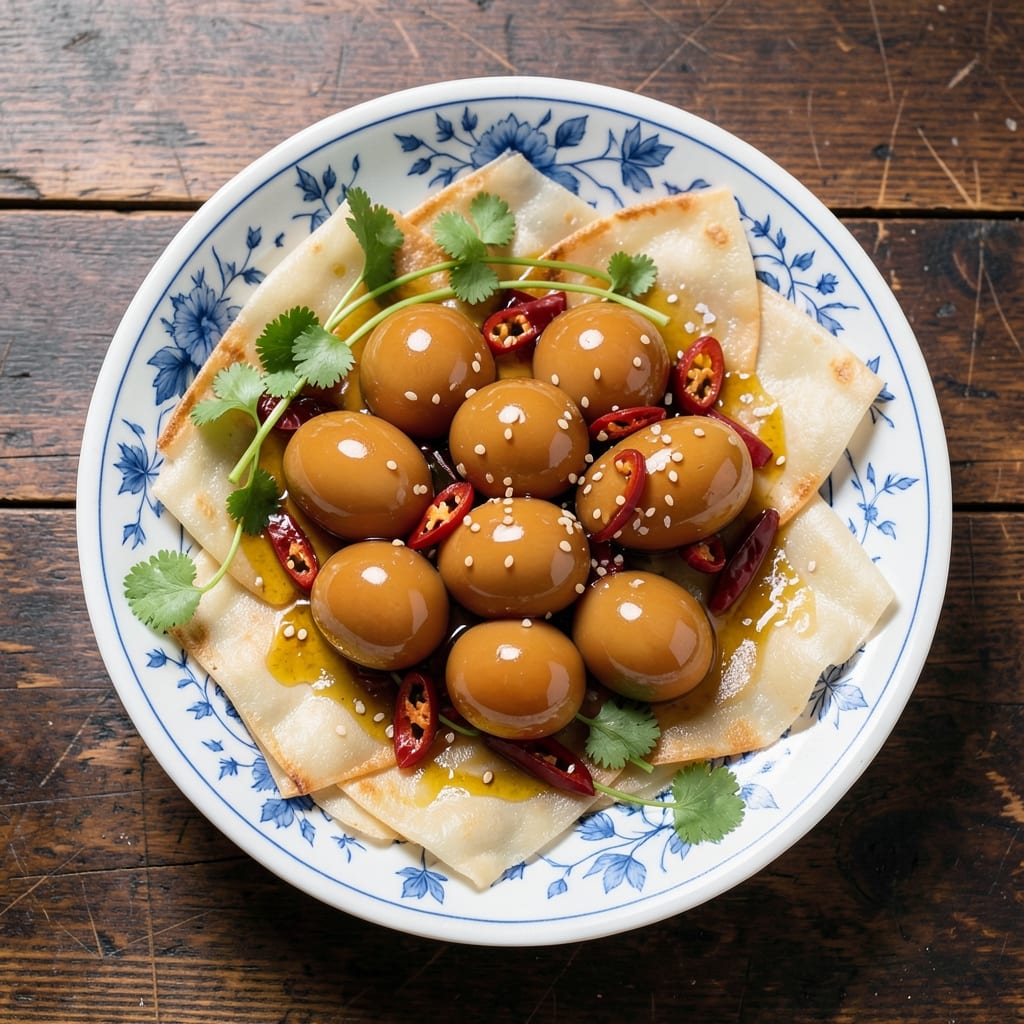
This Chinese water egg recipe transforms ordinary eggs into delicate, silken treasures with a crispy wonton crust—an artful dish that balances precision and tradition. The process begins with boiling eggs in a specialized alkaline mixture, a technique rooted in Chinese culinary heritage that creates a velvety yolk and firm, translucent white. While it requires careful handling of quicklime or ash, the result is a dish that feels both rustic and refined, perfect for special occasions or when you want to impress.
The magic lies in the crispy wonton crust, which adds texture contrast to the silken egg. This recipe preserves authenticity while making the process accessible, with clear instructions for preparing the boiling mixture and achieving the perfect balance of crispness. The cultural significance runs deep—water eggs were historically a luxury item, often served during festivals or as gifts, and their preparation remains a cherished skill passed down through generations.
What sets this dish apart is the transformation from ordinary eggs to something extraordinary—each bite offers a delicate, jelly-like yolk encased in a crispy wonton shell, creating a harmony of textures. The process may seem intricate, but breaking it into manageable steps ensures success. Whether you're preparing it for a family gathering or simply exploring a new culinary tradition, the result is a dish that feels both nostalgic and innovative.
Safety is paramount when working with quicklime or ash, so we'll cover proper handling techniques to ensure a smooth experience. The final presentation elevates the dish, making it a showstopper that captures the essence of Chinese culinary artistry. Let's bring this timeless recipe to life in your kitchen.
Ingredients for chinese water egg
Four eggs, precise alkaline chemistry, and delicate wonton wrappers transform ordinary ingredients into a dish of refined elegance.
| Ingredient | Amount | Notes |
|---|---|---|
| Large Eggs 🥚 | 4 whole | Room temperature for even cooking |
| Quicklime (Calcium Oxide) 🧪 | ½ oz | Food-grade, finely powdered |
| Ash (Wood Ash) 🔥 | ¼ cup | From hardwood, sifted fine |
| Water 💧 | 4 cups | Filtered, room temperature |
| Wonton Wrappers 🍜 | 8 whole | Square, 3-inch size preferred |
| Vegetable Oil 🫒 | 2 tbsp | For crisping wonton crust |
| Soy Sauce 🍶 | 1 tbsp | Light or dark, for dipping sauce |
| Rice Vinegar 🍶 | 1 tbsp | For balancing dipping sauce |
| Sesame Oil 🫒 | ½ tbsp | Toasted, for aroma |
| Salt 🧂 | ½ tsp | Fine sea salt, for seasoning |
| White Pepper 🌶️ | ¼ tsp | Freshly ground for texture |
| Cornstarch 🌾 | 1 tbsp | For dusting wonton wrappers |
| Lemon Zest 🍋 | 1 tsp | Fresh, for garnish |
The alkaline mixture is the heart of this recipe, where quicklime and wood ash create the signature silken texture. Food-grade quicklime is essential—never use pool-grade or industrial varieties, as they contain harmful additives. For wood ash, hardwood sources like oak or maple yield the best results; sift it finely to avoid grit. Asian grocery stores often carry pre-mixed alkaline powder blends, but preparing your own ensures authenticity. Store quicklime in an airtight container with a desiccant pack, and ash in a sealed jar away from moisture. The eggs must be room temperature—cold eggs crack during the boiling process, compromising the delicate structure.
No quicklime? Baking soda (sodium bicarbonate) can substitute at one-third the amount, though the texture will be slightly less refined. Wood ash unavailable? Potassium carbonate (found in some specialty stores) mimics the alkaline effect. For the wonton wrappers, square 3-inch wrappers work best, but round varieties can be trimmed to fit. The dipping sauce components—light soy sauce, rice vinegar, and toasted sesame oil—should be high-quality; Kikkoman soy sauce and Japanese rice vinegar elevate the dish. Freshly toasted sesame oil adds depth, but pre-toasted varieties from Trader Joe's are a convenient alternative. If you prefer a sweeter touch, add half a teaspoon of honey to the dipping sauce, though traditional recipes omit it entirely.
The alkaline mixture loses potency after 24 hours, so prepare it fresh for optimal results. Store unused quicklime in a sealed metal container with a silica gel packet to absorb moisture. Wonton wrappers freeze beautifully—layer them between parchment paper and use within three months for best texture. The finished water eggs keep for 2 days in the refrigerator, though their delicate texture is best enjoyed fresh. For presentation, arrange them on a chilled platter with the dipping sauce in small ceramic bowls, garnished with lemon zest for a pop of color. The crispy wonton crust requires minimal oil—just enough to achieve a golden sheen without heaviness.
Why You'll Love This Recipe
- No-Fuss Process: I swear, this takes less time than boiling water for pasta. Crack eggs into wonton wrappers, dip in the quicklime-water mix, and let the ash do its magic—no stirring, no waiting, just hands-off science.
- Umami Bomb: That alkaline bath? It turns plain eggs into something ridiculously tender with a faintly smoky, almost funky depth. Wrap them in wonton skins, and you’ve got a crispy, chewy, savory bite that’ll make you forget takeout exists.
- Leftover Hero: Make a batch on Sunday, and you’re set for snacks all week. The eggs keep for days in the fridge—perfect for quick lunches, potlucks, or sneaking into fried rice when you’re lazy.
- Budget Magic: Eggs and ash? You’re already winning. Quicklime’s cheap, wonton wrappers are a bulk-bin staple, and you’re left with a snack that costs pennies but tastes like a fancy appetizer. (Yes, even on a Tuesday night.)
Step-by-step instructions for steamed silken yolk with crispy wonton crust
Master this traditional technique for silken yolk perfection paired with a delicate wonton crust.
Prepare the Water Bath and Egg Mixture
Combine the 4 cups water, 0.5 oz quicklime (calcium oxide), and 0.25 cup ash (wood ash) in a large heatproof bowl. Stir gently to dissolve the quicklime completely—this alkaline solution is what transforms the eggs into their signature silken texture. The mixture should be smooth with no visible particles remaining.
In a separate bowl, whisk the 4 whole large eggs until the yolks and whites are fully combined. The eggs should be at room temperature for even cooking. Gradually pour the egg mixture into the water bath while whisking continuously to create a uniform emulsion. This prevents separation during steaming and ensures silky consistency throughout.
Steam the Eggs to Silken Perfection
Set up a steamer basket over a pot of boiling water, ensuring the water doesn't touch the bottom of the bowl containing your egg mixture. Bring the water to a rolling boil, then reduce to a gentle simmer. Place the bowl in the steamer and cover with a tight-fitting lid.
Steam for 12-15 minutes until the eggs reach 160°F internally and form a custard-like consistency. You'll know they're ready when the center is just set but still slightly wobbly—like a thick pudding. The eggs should pull away cleanly from the sides of the bowl when tested with a spatula. Remove from heat immediately to prevent overcooking.
Prepare the Wonton Crust Components
In a small bowl, mix the 1 tbsp soy sauce, 1 tbsp rice vinegar, 0.5 tbsp sesame oil, 0.5 tsp salt, and 0.25 tsp white pepper to create the dipping sauce. Set aside to let the flavors meld. For the wonton crust, lightly brush each of the 8 wonton wrappers with vegetable oil and dust generously with 1 tbsp cornstarch on both sides. This creates a crispy barrier while maintaining flexibility.
Arrange the dusted wonton wrappers on a parchment-lined baking sheet, leaving space between each. Brush the top side of each wrapper with an additional light coat of vegetable oil to ensure crispiness. The cornstarch coating will give you that signature crunch while the oil creates the perfect golden-brown finish.
Assemble and Steam the Crispy Wonton Crust
Carefully transfer the steamed egg mixture to a heatproof serving dish. Using a spatula, create a shallow well in the center of the eggs. Place 4 wonton wrappers around the edge of the dish, overlapping slightly to form a circular border. This creates your crispy crust frame that will contrast beautifully with the silken yolk.
Return the assembled dish to the steamer and steam for an additional 5-6 minutes until the wonton wrappers become golden and crisp at the edges. The steam will gently cook the edges while keeping the center silken. Watch carefully—the wrappers crisp quickly once they reach the right temperature.
Finish and Serve
Remove from the steamer and immediately sprinkle the 1 tsp lemon zest over the silken yolk. The citrus notes cut through the richness of the eggs while adding a bright visual contrast. Serve the crispy wonton crust with the prepared dipping sauce on the side for dipping each piece.
For presentation, use a small offset spatula to carefully lift each wonton crust piece from the border, creating a delicate half-moon shape. The contrast between the crispy wonton edges and the silken yolk should be striking—this is where the magic happens. Serve immediately while the crust is still crisp and the yolk remains perfectly set.
Pro Tips For Making Chinese Water Egg
- Soak Eggs Cold: Fill your bowl with ice water first, then crack the eggs in—keeps them from spreading and makes the quicklime slurry mix cleaner. I learned this the hard way after watching my first batch turn into a murky mess.
- Sift the Ash: Wood ash is gritty, and you don’t want that in your eggs. Sift it through a fine-mesh strainer first, then mix it with water to make a smooth paste. Skipping this means you’ll taste every tiny speck later.
- Test Lime Strength: Start with 1 tablespoon of quicklime per cup of water, then taste the slurry—it should be alkaline but not harsh. Too much lime turns the eggs rubbery; too little makes them bland. Adjust gradually.
- Wrap Tight, Seal Fast: Press wonton wrappers firmly around the eggs, then pinch the edges with wet fingers to seal air bubbles out. If they leak during steaming, your eggs won’t cook evenly—trust me, I’ve seen it happen.
Health benefits of this chinese water egg
Protein Powerhouse
Each Chinese water egg delivers a concentrated dose of high-quality protein—about 12 grams per egg—making it an excellent choice for muscle repair and satiety. The transformation process preserves all essential amino acids while creating a texture that's both delicate and satisfying. Unlike regular eggs, the alkaline treatment enhances digestibility, allowing your body to absorb nutrients more efficiently. 💪
Rich in Iron
Water eggs are surprisingly high in iron, with each egg providing around 1.5mg—about 8% of your daily needs. This makes them particularly beneficial for individuals with iron-deficiency concerns or those following plant-heavy diets. The iron content comes from both the eggs and the alkaline mixture, creating a nutrient-dense treat that's often overlooked in Western diets.
Calcium Boost
The quicklime used in the process is rich in calcium oxide, which contributes to the final product's mineral content. While the actual calcium content in the finished egg is modest, consuming water eggs regularly helps support bone health as part of a balanced diet. The alkaline environment also enhances calcium absorption from other foods you eat during the same meal.
Low-Calorie Luxury
Despite their luxurious presentation, water eggs are surprisingly low in calories—each egg contains only about 70 calories—making them an excellent option for those watching their weight. The crispy wonton crust adds minimal calories (20 calories per wrapper) while providing satisfying texture contrast. This makes the dish perfect for special occasions without the guilt.
Antioxidant Properties
The alkaline treatment process creates unique compounds that act as antioxidants, helping combat oxidative stress in your body. The wood ash used in the mixture contains trace minerals that contribute to this antioxidant effect. Regular consumption may support cellular health, though more research is needed on this specific preparation method. 🌱
Digestive Benefits
The gentle cooking process makes water eggs particularly easy to digest, which is why they've traditionally been served to individuals recovering from illness or during convalescence in Chinese medicine. The silken texture is gentle on the stomach while still providing substantial nutrition. For those with mild digestive sensitivities, this dish offers a comforting yet nutritious option.
Nutrition facts
Frequently asked questions
Why do Chinese water eggs have that unique jelly-like yolk?
The signature silken texture comes from the alkaline mixture of quicklime and wood ash that transforms the egg proteins during steaming. This process breaks down the protein structure into a delicate, custard-like consistency while keeping the yolk intact. The result is that velvety texture that makes water eggs so special!
Can I substitute quicklime with something else if I can't find it?
Yes! You can use baking soda (sodium bicarbonate) at one-third the amount (about 1.5 teaspoons instead of 0.5 oz quicklime), though the texture will be slightly less refined. For best results, combine it with potassium carbonate (found in specialty stores) for a closer approximation to traditional alkaline treatment. Always test small batches first.
How do I know when the water eggs are perfectly cooked?
They're done when the center reaches 160°F and has a thick, wobbly pudding-like consistency—like a firm custard. The eggs should pull cleanly away from the bowl's sides when tested with a spatula. Overcooking turns them rubbery, so remove them immediately when they reach this stage. A clean break with slight jiggle is ideal!
What's the best way to store leftover water eggs?
Store them in an airtight container in the refrigerator for up to 2 days, though their delicate texture is best enjoyed fresh. The crispy wonton crust loses its crunch after 24 hours, so it's best to serve them immediately. For longer storage, freeze the eggs (without the crust) for up to 1 month, but thaw gently in the fridge before reheating.
Is there a vegetarian version of this recipe?
Traditional water eggs use eggs, but you can create a vegetarian alternative by using silken tofu instead. Replace the eggs with 1 block of silken tofu (about 12 oz) blended with 1 tbsp cornstarch to mimic the custard-like texture. The alkaline process will still work, though the texture will differ slightly. The wonton crust remains the same for that satisfying crunch!