Breakfast & Brunch
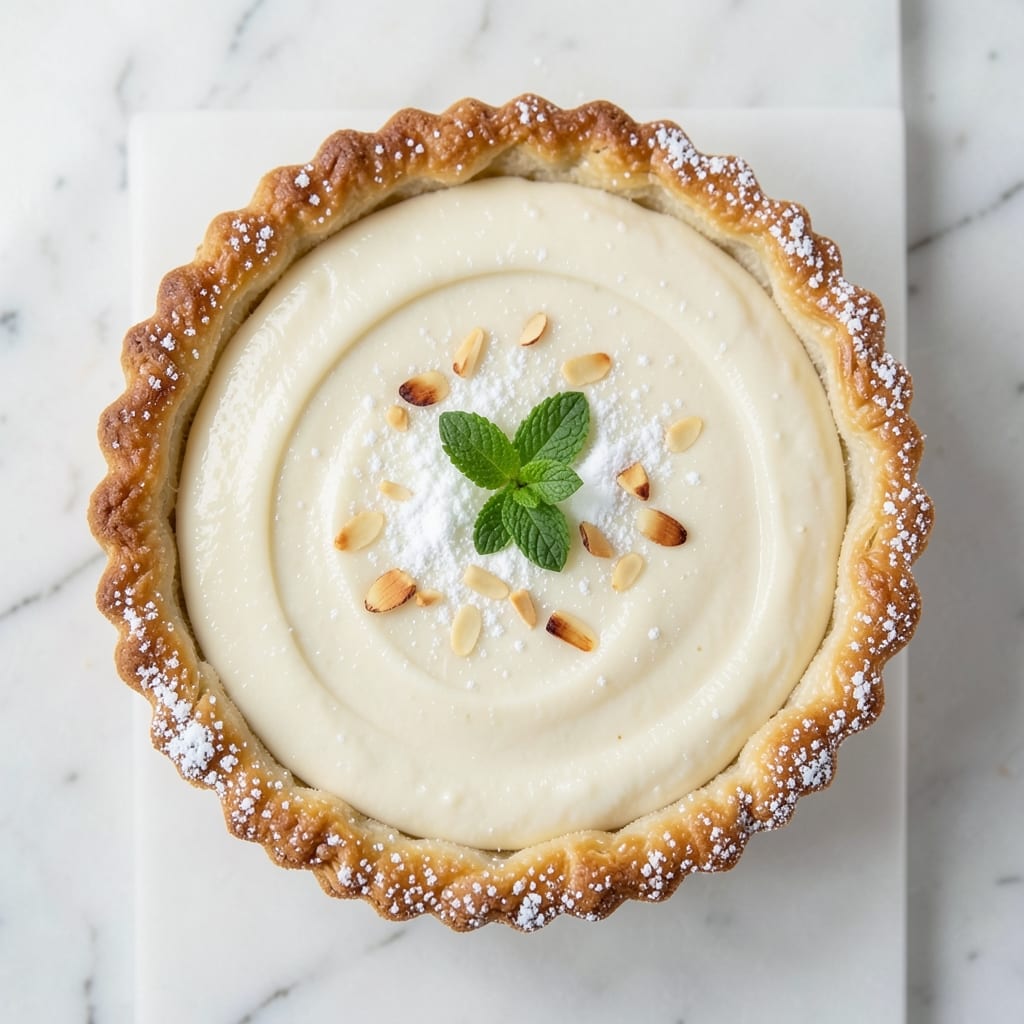
This easy egg custard tart recipe UK delivers golden, crisp shells with a silky, no-cream custard center that's surprisingly simple to make. 💛 The secret lies in a few key techniques—using ice water for tender pastry and a cornflour-thickened custard that stays perfectly smooth without dairy. I've perfected this version after years of baking, ensuring every tart has that delicate balance of texture and flavor.
The recipe begins with a classic shortcrust pastry that bakes up beautifully crisp yet tender, creating the perfect base for the custard. No fancy equipment is needed—just tart tins and a few pantry staples. The custard filling relies on eggs, sugar, and cornflour (custard powder) for that signature UK-style smoothness, while almond milk adds just enough richness without heaviness. This version skips cream entirely, making it ideal for those avoiding dairy.
What makes these tarts truly special is how effortlessly they come together. The pastry requires minimal handling, and the custard mixture is foolproof when prepared correctly—no lumps, no overcooking. Once baked, you'll have tarts with a golden crust that shatters slightly when cut and a custard so silky it practically melts in your mouth. The aroma alone will have everyone asking for seconds.
Perfect for breakfast, afternoon tea, or dessert, these tarts are versatile enough for any occasion. The recipe scales easily, so you can make a single batch for two or double it for a crowd. Let's get started on creating these delicious, no-fuss custard tarts that taste like a classic British treat.
Ingredients for easy egg custard tart recipe uk no cream
Four simple ingredients for the pastry, seven for the custard—no cream needed for perfect UK-style tarts.
| Ingredient | Amount | Notes |
|---|---|---|
| All-Purpose Flour 🌾 | 2 cups | Sifted for light texture |
| Cold Unsalted Butter 🧈 | 1 cup | Cubed, for flaky pastry |
| Granulated Sugar 🍚 | ¼ cup | For pastry sweetness |
| Large Eggs 🥚 | 1 whole | Cold, for pastry binding |
| Ice Water 💧 | ¼ cup | For dough elasticity |
| Large Eggs 🥚 | 4 whole | Room temperature for custard |
| Granulated Sugar 🍚 | ¾ cup | For custard sweetness |
| Cornflour (Custard Powder) 🌾 | ¼ cup | UK custard powder preferred |
| Vanilla Extract 🌸 | 1 tsp | Pure vanilla for flavor |
| Salt 🧂 | ½ tsp | Fine sea salt |
| Unsweetened Almond Milk 🥛 | ½ cup | For custard richness |
| Tart Tins 🍰 | 4 whole | 4-inch diameter preferred |
The butter matters most here—European-style butter with at least 82% fat gives the flakiest pastry. Tesco or Waitrose sell excellent options in the UK, while Plugrá in the US is a reliable choice. Keep everything cold when making the pastry to prevent melting. The cornflour is non-negotiable for that authentic custard texture—Dr. Oetker or J. Arthur Rank brands are widely available in British supermarkets. For the almond milk, unsweetened versions like Alpro or Oatly work best to avoid altering the custard's balance.
No cornflour? Cornstarch works in a pinch, though the texture may differ slightly. Short on almond milk? Oat milk or light coconut milk are good substitutes, but avoid full-fat versions that could make the custard too rich. The vanilla extract should be pure—imitation extracts won't deliver the same depth of flavor. For the tart tins, if you don't have removable-bottom ones, line regular tins with parchment circles cut to fit. The pastry dough can be rolled out to about 1/8-inch thickness for even baking, though it's fine if it varies slightly.
The pastry dough keeps best wrapped in cling film in the fridge for up to 2 days, though it's best used immediately for maximum flakiness. The custard mixture can be prepared ahead and stored in the fridge for 1 day before baking—just give it a quick whisk before pouring. Once baked, these tarts are best enjoyed fresh, though they'll keep covered at room temperature for 2 days. For make-ahead convenience, bake the tarts without filling, then store the shells in an airtight container for 3 days—fill them just before serving.
Why You'll Love This Recipe
- No Cream? No Problem: The custard here is silky without a drop of cream—just eggs, sugar, and a whisper of water. That golden crust? Pure butter and flour, cut in until it’s just crumbly enough to press into a pan like butter. It’s the kind of recipe that proves you don’t need fancy ingredients for something that feels indulgent.
- Pantry Staple Magic: Honestly, I keep this on repeat because it’s ridiculously cheap to make. A block of butter, a bag of flour, and a few eggs—no specialty items, no last-minute store runs. The sugar balances the richness perfectly, so you’re not left with something cloying or bland. It’s the kind of dessert that sneaks up on you as a treat, not a splurge.
- Weeknight or Tea Time: Here’s what sold me—this works anytime. Need a quick breakfast? Slice it up warm. Hosting a midweek coffee morning? These disappear faster than biscuits at a church bake sale. Even my kids grab them straight from the fridge when I forget to pack snacks. (Yes, even on a Tuesday night.)
- Leftovers That Last: Between us, this tart improves the next day. The crust stays crisp, the custard firms up just enough to slice cleanly, and it reheats in seconds—microwave or oven, no fuss. I make a double batch on Sundays because by Thursday, I’m begging for another slice. And if you’re worried about waste? The leftovers freeze beautifully too.
Step-by-step instructions for crispy egg custard tarts
Follow this straightforward method for perfectly crisp shells and velvety custard filling.
Prepare the Pastry Dough
In a large bowl, combine the 2 cups All-Purpose Flour and 0.25 cup Granulated Sugar. Cut in the 1 cup Cold Unsalted Butter using a pastry cutter or your fingers until the mixture resembles coarse crumbs with pea-sized butter pieces remaining. This texture ensures flaky layers when baked.
Add the 1 whole Large Eggs and 0.5 tsp Salt, mixing just until the dough comes together. Then gradually add the 0.25 cup Ice Water, 1 tablespoon at a time, mixing gently with a fork until the dough forms a smooth ball. Avoid overworking it—handle only enough to bring it together. Wrap in plastic wrap and chill for 30 minutes to firm up before rolling.
Line and Blind-Bake the Tart Shells
Preheat your oven to 375°F. Roll out the chilled dough between two sheets of parchment paper to 1/8-inch thickness. Cut circles slightly larger than your 4 whole Tart Tins and press them gently into the tins, trimming any excess dough. Prick the base all over with a fork to prevent puffing.
Line the shells with parchment paper, fill with pie weights or dried beans, and bake for 15 minutes. Remove the weights and bake for another 8-10 minutes until the edges are light golden brown and the shells look completely set. Let cool for 10 minutes before filling—this prevents soggy bottoms when the custard goes in.
Make the No-Cream Custard Filling
In a medium saucepan, whisk together the 4 whole Large Eggs, 0.75 cup Granulated Sugar, 0.25 cup Cornflour (Custard Powder), 1 tsp Vanilla Extract, and 0.5 tsp Salt. Gradually whisk in the 0.5 cup Unsweetened Almond Milk until smooth. Place the pan over medium-low heat and cook, stirring constantly with a wooden spoon, until the mixture thickens enough to coat the back of the spoon.
This should take about 5-7 minutes. The custard is ready when it reaches 170°F on an instant-read thermometer and leaves a clear path when you run your finger through it. Immediately pour the custard into the cooled tart shells, filling them to the tops. Return to the oven and bake for 12-15 minutes until the custards are set but still slightly wobbly in the center.
Cool and Serve
Remove the tarts from the oven and let them cool completely at room temperature. The custards will continue to thicken as they cool, developing that signature silky texture. Serve at room temperature or chilled for 1-2 hours before eating—this enhances the custard's creaminess without needing actual cream.
For best results, store any leftovers in the refrigerator for up to 3 days, though these tarts are so good they rarely last that long. The contrast between the crisp, buttery shell and the smooth, vanilla-infused custard makes every bite satisfying. Enjoy them on their own or with a sprinkle of powdered sugar for a touch of elegance.
Pro Tips For Making Easy Egg Custard Tart Recipe Uk No Cream
- CHILL THE BUTTER FIRST: I learned this the hard way—trying to cut cold butter straight from the fridge into flour is a nightmare. Pop that block of butter in the freezer for 10 minutes first, then grate it or cube it while still icy. The dough will handle it better, and your pastry won’t turn into greasy mush when rolling.
- WEIGH YOUR FLOUR (NO SCOOPING): That "lightly spooned and leveled" advice? Skip it. For this tart, use a kitchen scale for the flour—100g is what you need. Scooping from the bag packs in too much air, and your crust will end up dry and crumbly. (Yes, even if you’re impatient like me.)
- BAKE THE CRUST ALONE: Pre-bake that pastry shell until it’s just starting to turn golden—about 12-15 minutes at 180°C (350°F). Skip this, and your custard will turn into a soggy bottom mess. Line the tart with parchment, fill with pie weights or dried beans, and bake until edges lift. (Your future self will thank you.)
- WHISK EGGS UNTIL THICK: Don’t just crack the eggs into the sugar and stir. Whisk them like you mean it—until the mixture thickens and turns pale, about 2-3 minutes. This makes the custard silky and prevents that dreaded "curdled" texture when baking. (I was skeptical until I tried it.)
Storing and reheating this dish
Fridge Storage Tips
These tarts keep beautifully in the fridge for up to 3 days when stored properly. After they've completely cooled, place them in an airtight container with parchment paper between layers to prevent sticking. I like using Tupperware with snap-on lids—they create a tight seal that keeps the custard from absorbing fridge odors. 💫
For individual servings, wrap each tart tightly in plastic wrap before placing in the container. This extra layer prevents the custard from drying out or absorbing moisture, which can make the shells soggy. Label with the date to track freshness—trust me, you won't want to forget these!
Freezer-Friendly Shells
If you want to prep ahead, bake the tart shells without filling and freeze them for up to 3 months. Let them cool completely first, then wrap each shell individually in plastic wrap followed by a layer of aluminum foil for extra protection. Store in a ziplock freezer bag to prevent freezer burn. 🧊
When ready to serve, thaw the shells overnight in the fridge. Fill with freshly made custard and bake as directed—this method gives you restaurant-quality tarts with minimal last-minute effort. The shells maintain their crispness perfectly when frozen properly.
Reheating Perfection
For the best texture, reheat individual tarts in a 350°F oven for 8-10 minutes until the custard is warm throughout. This gentle heat keeps the custard creamy while reminding the shell of its crispy goodness. I avoid microwaving because it can make the custard rubbery—this method preserves that silky texture. ✨
If you must use the microwave, cover the tart with a damp paper towel and heat on 50% power for 30-45 seconds. The moisture helps maintain the custard's smoothness, though the shell won't be quite as crisp. Always check the internal temperature reaches 165°F for food safety.
Room-Temp Serving
These tarts taste best at room temperature or slightly chilled. If you've refrigerated them, let them sit for 15-20 minutes before serving to let the custard soften slightly. The contrast between the cool custard and warm shell is what makes them irresistible. 🍽️
For a special presentation, dust with powdered sugar or garnish with a few drops of vanilla glaze right before serving. The visual appeal makes them perfect for brunch gatherings or dessert parties—no one will guess they're cream-free!
Nutrition facts
Frequently asked questions
Can I substitute almond milk for another plant-based milk?
Yes, you can use unsweetened oat milk or light coconut milk as substitutes for almond milk. These options work best because they're low in fat and won't alter the custard's delicate texture. Avoid full-fat versions or soy milk, as they can make the custard too heavy or develop a beany flavor. Always use the same amount as specified in the recipe.
Why did my custard turn lumpy?
Lumpy custard usually happens when the eggs and cornflour aren't fully incorporated or the mixture is cooked too quickly. To prevent this, whisk the eggs and sugar together first, then gradually add the cornflour and milk while whisking constantly. Cook over medium-low heat and stir continuously until it thickens smoothly. If lumps appear, strain the custard through a fine-mesh sieve before pouring into the shells.
Can I make these tarts without a tart tin?
Use ramekins, muffin tins, or even small oven-safe bowls lined with parchment paper. For ramekins, grease them lightly to prevent sticking. The baking times will be similar, but check for doneness 2-3 minutes earlier since smaller containers cook faster. If using muffin tins, the tarts will be more like mini custard cups with a flaky crust.
How do I achieve extra crispy tart shells?
For maximum crispness, chill the rolled-out pastry for 20 minutes before pressing into the tins. Use European-style butter with high fat content (82% or more) and avoid overworking the dough. After blind-baking, let the shells cool completely before adding the custard. For an extra-crisp finish, bake the filled tarts at 350°F instead of the standard 325°F for the final 5 minutes of baking.
What's the best way to serve these tarts?
These tarts shine when served at room temperature or lightly chilled for 1-2 hours. For a classic touch, dust with powdered sugar or drizzle with a little vanilla glaze. They pair beautifully with a cup of Earl Grey tea or black coffee. For a festive presentation, arrange them on a tiered stand with fresh berries or a sprinkle of toasted almonds.