
Breakfast & Brunch
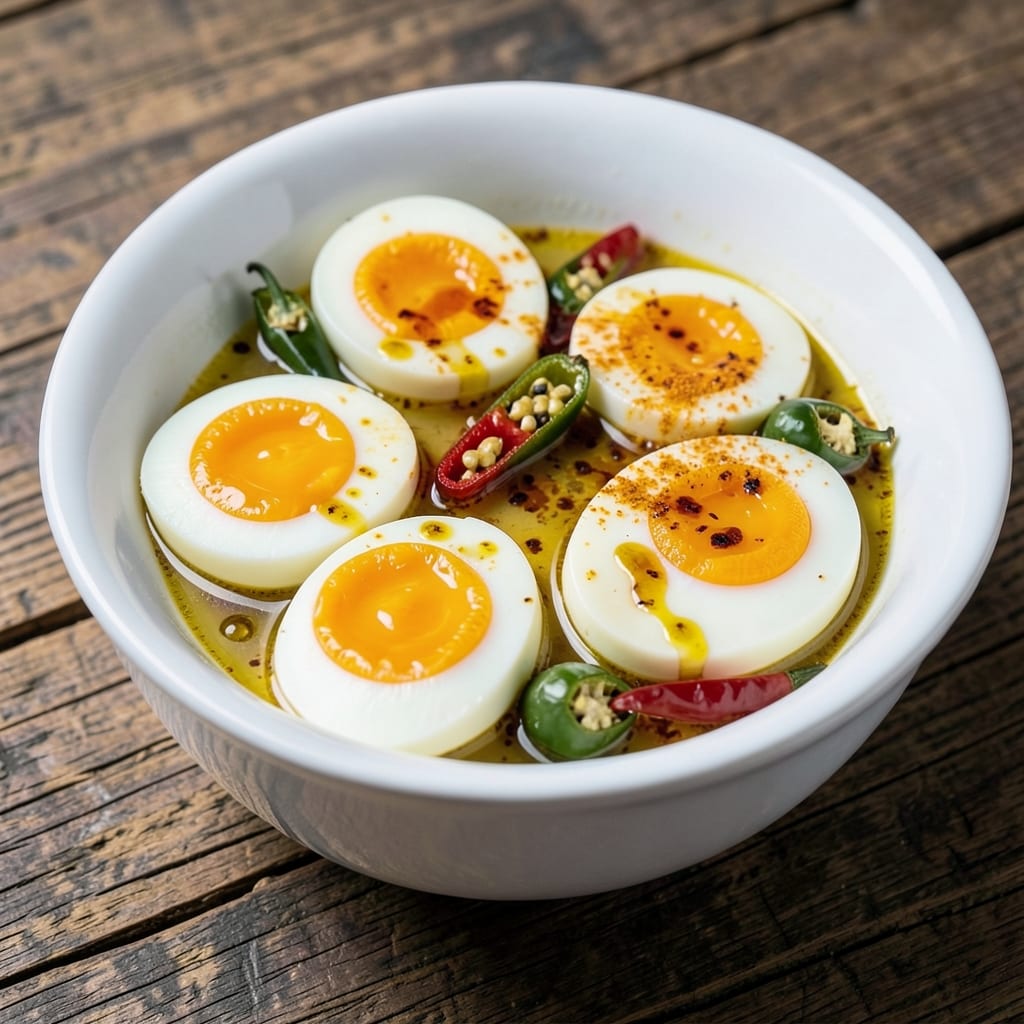
This egg bhapa recipe transforms simple eggs into a silken, fragrant Bengali masterpiece with just a few essential spices and the gentle power of steaming. The secret lies in the aromatic mustard oil infusion, where whole spices like cardamom and green chilies create layers of warmth and depth without overpowering the delicate egg texture. I first discovered this method during a visit to Kolkata, where it became a morning staple—light enough for breakfast yet satisfying enough to stand alone.
The beauty of egg bhapa is its simplicity: no frying, no browning, just tender eggs infused with subtle flavors that develop as they steam. A pinch of turmeric for color, a splash of mustard oil for aroma, and a sprinkle of chaat masala at the end elevate the dish from ordinary to extraordinary. The result is eggs that stay moist and silky, with a delicate golden hue and a fragrance that fills your kitchen—proof that minimal ingredients can deliver maximum flavor.
What makes this recipe truly special is its versatility. Serve it as a standalone breakfast with luchi (Bengali fried bread) or alongside dal for a complete meal, or pack it for lunch with a side of cucumber salad. The steaming method ensures no oil is wasted, making it a healthier alternative to fried eggs while preserving all the richness of traditional Bengali cuisine. Each bite delivers that perfect balance of silken texture and aromatic spices.
Perfect for weekdays when you crave something comforting yet light, this dish proves that authenticity doesn't require complexity. With just 15 minutes of prep and 10 minutes of steaming, you'll have a dish that tastes like a home-cooked meal from a bustling Kolkata kitchen. Let's get started on creating this fragrant, silken delight.
Ingredients for egg bhapa
Aromatic mustard oil, delicate cardamom, and silken eggs create this fragrant Bengali masterpiece.
| Ingredient | Amount | Notes |
|---|---|---|
| Large Eggs 🥚 | 8 whole | Room temperature for even cooking |
| Mustard Oil 🫒 | ¼ cup | Cold-pressed for authentic aroma |
| Green Cardamom Pods 🌿 | 4 whole | Lightly crushed for infusion |
| Green Chilies 🌶️ | 2 whole | Slit lengthwise for subtle heat |
| Turmeric Powder 🌿 | ¼ tsp | Freshly ground preferred |
| Salt 🧂 | ½ tsp | Diamond Crystal preferred |
| Chaat Masala 🌶️ | 1 tsp | For finishing touch |
| Fresh Cilantro 🌿 | ¼ cup | Chopped for garnish |
| Water 💧 | ½ cup | For steaming vessel |
| Heavy Whipping Cream 🥛 | ¼ cup | For silken texture |
| Asafoetida Powder 🌿 | ⅛ tsp | Pinch for depth |
Mustard oil is the heart of this dish—Kadaknath or cold-pressed varieties from Indian grocery stores like Patel Brothers deliver the most authentic aroma. If you can't find it, light olive oil works in a pinch, though it lacks the signature depth. Cardamom should be whole pods, not ground—crush them lightly in a mortar to release their oils without pulverizing. The green chilies need to be fresh; serrano or Thai bird's eye work best, but adjust quantity based on heat preference. I always double-check the oil's freshness by smelling it—it should have a sharp, pungent aroma, not stale. For the eggs, room temperature is crucial; cold eggs won't steam evenly.
No mustard oil? Light olive oil or avocado oil can stand in, though the flavor profile shifts slightly. Fresh cardamom unavailable? Ground cardamom at half the amount works, but toast the pods first for better flavor. The cream can be heavy whipping cream or coconut cream—just ensure it's full-fat for that silken texture. Turmeric is non-negotiable for color; fresh turmeric root grated fine works best, but powder is fine in a bind. For heat control, remove chili seeds before slitting. The chaat masala adds the final bright note—MTR or Everest brands are widely available and reliable. If you're making this for a crowd, pre-mix the spices with the oil so everything infuses evenly during steaming.
This dish reheats beautifully—steam again for 3-4 minutes to restore its silken texture. Store in an airtight container in the fridge for up to 3 days, though it's best enjoyed fresh. For meal prep, portion into small containers and steam as needed. The mustard oil infusion intensifies over time, so add a splash of fresh oil before reheating if the aroma seems muted. The cream-based texture means it doesn't travel well—pack it in an insulated container with a damp towel to maintain moisture. Freezing isn't recommended as the texture becomes grainy upon thawing. Serve immediately after steaming for that restaurant-quality experience.
Why You'll Love This Recipe
- Steam-Perfect Simplicity: Honestly, this takes five minutes—just crack eggs into a colander, sprinkle turmeric and salt, then steam like a boss. No oil splatter, no burnt edges, just foolproof eggs every time.
- Mustard Oil Magic: That first whiff of mustard oil with cardamom and green chilies? Pure satisfaction. The aroma alone makes me forget about takeout—it’s like a warm hug in egg form.
- Breakfast or Snack Star: I’ve had these cold with rice, scrambled into dal, or even stuffed into parathas. They’re the ultimate blank canvas—equally great for lazy mornings or unexpected guests.
- Pantry-Proof Perfection: Between us, this is my go-to when the fridge is bare. Eggs, oil, and spices? You’ve got a meal. And they reheat like champs—no soggy disasters here.
Step-by-step instructions for steamed silken eggs with cardamom infusion
Transform ordinary eggs into delicate, silken treats with this precise steaming technique.
Prepare the Cardamom-Mustard Oil Infusion
In a small saucepan, gently heat the 0.25 cup mustard oil over low heat until it reaches 160°F—just warm enough to release aroma but not hot enough to burn. Add the 4 whole green cardamom pods and 2 whole green chilies (slit lengthwise) to the oil. Simmer for 3-4 minutes until the cardamom pods turn slightly darker and the chilies soften.
Remove from heat immediately and let steep for 5 minutes to infuse the flavors. Strain through a fine-mesh sieve into a small bowl, pressing gently on the pods to extract every drop of aromatic oil. This infusion forms the flavor base for your eggs, so don't rush this step—patience ensures depth of flavor.
Create the Silken Egg Mixture
In a mixing bowl, whisk together the 8 whole large eggs until the yolks and whites are fully combined. Add the 0.25 tsp turmeric powder and 0.5 tsp salt, whisking until evenly distributed. The mixture should be pale yellow with no visible streaks of spice.
Gradually pour in the 0.25 cup heavy whipping cream while whisking continuously to prevent curdling. The cream will lighten the mixture slightly, creating a luxurious texture. Add the 0.125 tsp asafoetida powder and whisk again for 10 seconds—this tiny amount adds an umami depth that elevates the dish.
Prepare the Steaming Setup
Fill a clean steamer basket with the 0.5 cup water and bring to a rolling boil over medium-high heat. While the water heats, carefully pour the egg mixture into the steamer basket, spreading it evenly into 4 equal portions—each portion should be about 2 inches in diameter. Use a wet spoon to smooth the tops.
Here's the key: the egg mixture should be just under ½ inch thick in each portion. If it's too thick, the eggs won't steam properly; if too thin, they'll spread excessively. Cover the steamer with a clean kitchen towel to prevent condensation from dripping onto the eggs during steaming.
Steam to Perfect Silken Texture
Once the water reaches a full boil, reduce heat to medium and steam the eggs for exactly 12-14 minutes. The steam should be gentle but constant—no need for high heat. You'll know they're done when the edges are slightly set but the centers remain jiggly like soft custard.
This precise timing creates the signature silken texture. If you open the lid before the full time, condensation will make the eggs rubbery. Let them steam undisturbed until they pass the gentle wobble test: when you shake the steamer slightly, the eggs should move as one unit.
Finish and Serve Immediately
Remove the steamer from heat and let the eggs rest for 2 minutes before carefully transferring them to a serving plate. Gently sprinkle with 1 tsp chaat masala and 0.25 cup chopped fresh cilantro, pressing lightly to adhere. The chaat masala adds a tangy contrast that balances the richness of the eggs.
Serve warm with a side of mango chutney or pickled onions for the full experience. These eggs should be silky in texture, with a firm yet tender bite—not dry, not runny, but perfectly set throughout. The cardamom aroma should be subtle but detectable, with a hint of mustard oil's earthy warmth.
Pro Tips For Making Egg Bhapa
- CRACK EGGS LAST MINUTE: I used to prep everything ahead—big mistake. Mustard oil burns fast, and eggs left sitting in water get waterlogged. Crack them right into the hot oil, one at a time, while the oil is still shimmering. That first sizzle? That’s the flavor.
- USE WHOLE GREEN CHILIES: Slicing green chilies for egg bhapa is overkill unless you’re going for a smoother heat. Toss in 2-3 whole chilies—seeds and all—right when the oil hits the pan. They’ll blister and pop, releasing their punch without turning the dish into chili paste. (Yes, even if you’re impatient like me.)
- STOP WHEN WHITES SET: I learned this the hard way—overcooking turns egg bhapa rubbery. The whites should look opaque but still slightly wobbly in the center when you flip them. If you wait for them to firm up completely, you’ll end up with dry, sad eggs instead of that perfect, custardy bite.
- SALT THE OIL FIRST: Mustard oil’s flavor gets muted when added later. Heat it in the pan, then sprinkle a pinch of salt right away—it blooms the aroma and cuts through the pungency. Skip this, and your dish will taste flat, even if everything else is perfect. (Your future self will notice.)
Perfect pairings for this egg bhapa
Bengali Breakfast Classics
Pair your egg bhapa with luchi, those crispy, deep-fried Bengali breads that soak up the silken eggs beautifully. The combination of soft eggs and crunchy luchi creates the perfect textural contrast. For an authentic touch, use homemade luchi made with rice flour and a pinch of baking soda—it’s a must-have at Bengali breakfast tables. 🥖
Spicy & Tangy Sides
Brighten the dish with mango chutney or sweet tamarind chutney—both add a zesty kick that cuts through the richness of the eggs. I love using store-bought mango chutney from brands like Kissan or Bikaneri for convenience, but homemade versions with ripe mangoes and a touch of jaggery are even better. For extra heat, serve with pickled green chilies or onion rings.
Cucumber Raita Refreshment
A cooling cucumber raita balances the warmth of the mustard oil perfectly. Blend ½ cup yogurt, ½ cup grated cucumber, ½ tsp roasted cumin powder, and a pinch of salt for a creamy, refreshing side. The raita’s coolness contrasts the silken eggs, making each bite feel lighter. Garnish with chopped mint leaves for an extra burst of freshness.
Tea Time Pairings
Sip on masala chai or green tea with this dish—both complement the cardamom notes in the eggs. For a stronger pairing, try Bengali tea (a blend of black tea, cardamom, and cinnamon) to echo the spices in the recipe. Avoid overly sweet teas; let the natural flavors of the egg bhapa shine through. A small cup of hot ginger tea also works wonders for digestion.
Sweet Endings
Finish the meal with rosogolla or sandesh, the classic Bengali milk sweets. Their soft, milky texture contrasts perfectly with the savory eggs. For a quicker option, serve with banana fritters or pista burfi—both add a sweet, nutty finish that rounds out the meal beautifully. 🍬
Modern Twists
For a contemporary twist, pair egg bhapa with avocado toast on sourdough for a fusion breakfast. The creamy avocado complements the silken eggs, while the toast adds a satisfying crunch. Another fun idea: serve with crispy potato wedges tossed in chaat masala for a crunchy, spicy contrast that’s sure to impress.
Nutrition facts
Frequently asked questions
Why does my egg bhapa turn out rubbery?
The most common cause is opening the steamer too early or letting condensation drip onto the eggs. Steam for the full 12-14 minutes without lifting the lid, and cover with a clean towel to prevent water droplets. Also ensure your egg mixture is just under ½ inch thick—thicker portions won't steam evenly.
Can I make egg bhapa without mustard oil?
Yes! Use light olive oil or avocado oil instead, though the flavor will be milder. For best results, infuse the oil with 1 crushed cardamom pod and 1 slit green chili for 5 minutes before straining. The dish will still be delicious but lack that signature mustard aroma.
How do I adjust the recipe for fewer servings?
This recipe scales perfectly! For 2 servings, use 4 eggs, 0.125 cup mustard oil, and halve all other ingredients. Keep the same steaming time (12-14 minutes) and portion size (2 inches diameter) for consistent texture. The key is maintaining the same ratio of cream to eggs for that silken finish.
What's the secret to the perfect silken texture?
The magic lies in three key elements: gentle heat (steaming, not boiling), proper thickness (½ inch portions), and whisking the cream thoroughly to prevent curdling. The 10-second whisk with asafoetida also helps create that signature tender bite—don't skip it!
Can I make egg bhapa ahead of time?
Yes, but with a few adjustments. Steam the eggs as directed, then store in an airtight container in the fridge for up to 3 days. To reheat, steam again for 3-4 minutes or microwave for 20 seconds (covered). Add a splash of fresh mustard oil before reheating to restore aroma. For best texture, enjoy fresh whenever possible.